




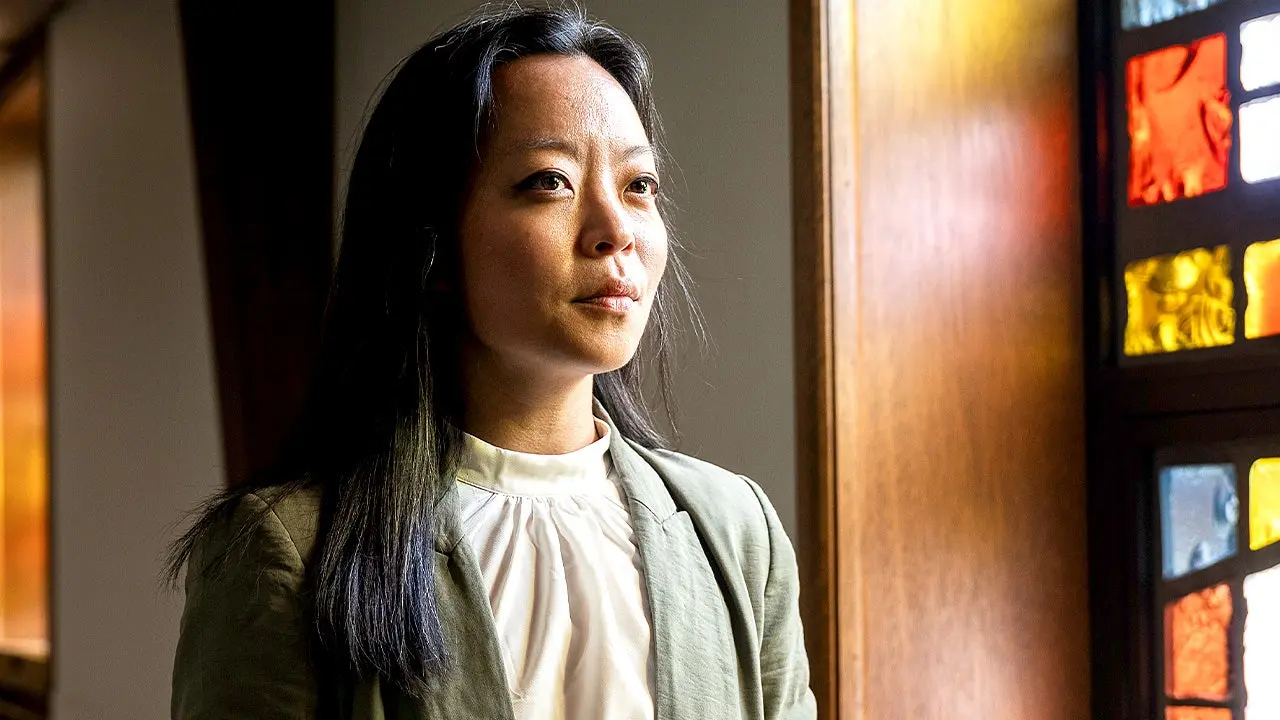
In the heart of the American Midwest, Wisconsin has long stood as a crucial political bellwether, a state where the shifting winds of public sentiment can reshape the national landscape. Today, this battleground is witnessing a fascinating ideological evolution, embodied by the rise of Francesca Hong, a progressive firebrand and self-proclaimed Democratic Socialist who is currently surging toward the Democratic nomination for governor. Backed by the Democratic Socialists of America, Hong has defied conventional political wisdom by running a campaign rooted in radical change rather than moderate compromise. Her message of systemic reform and economic justice has struck a powerful chord with a younger, energized base of voters who feel left behind by the traditional political establishment. As she builds momentum in the final weeks leading up to the primary, Hong represents a new wave of leadership that is unapologetically bold, aiming to fundamentally redefine what it means to advocate for the working class in a state historically known for its pragmatic, middle-of-the-road politics.
However, Hong’s rapid ascent to the political forefront has not occurred without intense scrutiny, particularly regarding her past social media presence, which critics argue reveals a deep cultural disconnect with mainstream Wisconsin voters. A focal point of this controversy is a deleted November 2020 post on X (formerly Twitter), in which she passionately advocated for the cancellation of Thanksgiving, labeling it “the original superspreader event that killed indigenous folx [sic] and women” and calling for an end to the celebration of colonialism. For her supporters, the post was an honest, raw expression of solidarity with Native American communities who continue to carry the historical trauma of European disease and displacement. For her detractors, however, the message felt like an aggressive assault on a cherished national holiday that centers on family, gratitude, and community. The resulting online backlash—amplified by conservative commentators like Stephen Miller, who mocked her use of the progressive term “folx”—highlighted the delicate and often perilous line that modern progressive candidates must walk when translating academic social justice language into the everyday vocabulary of the communities they hope to lead.
This cultural friction was further magnified by another resurfaced social media post from 2019, which detailed a highly personal and vulnerable moment at a Culver’s restaurant in Black River Falls. In the post, Hong shared that she had taken a few bites of her child’s cheeseburger and lied to him about the restaurant running out of ice cream, admitting that she rushed to leave because she was on the verge of a panic attack, feeling alienated by “too many old white people who didn’t think we spoke English.” The tweet touched a raw nerve across the state, sparking a wave of mockery and criticism from political opponents who seized on the opportunity to paint her as out of touch. Prominent conservative voices, including former White House official Alex Pfeiffer and investigative reporter Chuck Ross, questioned how a candidate who experiences panic attacks around rural Wisconsinites could successfully govern a diverse statewide constituency, while others jokingly pointed out that she mistakenly referred to Culver’s famous “fresh frozen custard” as “ice cream.” Yet, beneath the political point-scoring lies a deeply human reality: the isolating experience of a woman of color navigating rural spaces where she felt visibly different and unwelcome, contrasted against the fiercely protective pride that Wisconsinites hold for their local institutions and neighbors.
Beyond the social media controversies and the cultural debates that dominate the internet, Hong’s campaign is built on a concrete and highly ambitious policy platform designed to address systemic inequalities. Rather than shying away from her socialist label, she has leaned into it, arguing that her policies are designed to ensure that ordinary, working-class families receive their fair share of the state’s wealth. Her platform champions innovative and controversial proposals, such as establishing publicly funded grocery stores to combat food deserts in underserved neighborhoods, creating a state-run bank to provide equitable financial services, and implementing race-based grants for social workers to better address the unique challenges faced by marginalized communities. This robust vision has earned her the backing of prominent national progressive figures, including Representatives Ilhan Omar of Minnesota and Ro Khanna of California. Her message is clearly resonating financially as well; by late June, Hong’s campaign had raised nearly $709,000, signaling a formidable grassroots fundraising apparatus that has allowed her to build a highly competitive statewide organization.
The dynamics of the gubernatorial race were suddenly and dramatically upended on the eve of the primary when Mandela Barnes, the state’s former lieutenant governor and a widely recognized frontrunner, abruptly withdrew from the contest. Barnes, who enjoyed strong name recognition and a close political alliance with outgoing Governor Tony Evers, was heavily favored to secure the nomination. However, his campaign collapsed amid growing rumors and an active investigation by The Milwaukee Journal Sentinel into allegations of past workplace misconduct and inappropriate sexual advances toward women. Barnes’ sudden exit created a massive vacuum at the top of the ticket, instantly transforming the primary into a high-stakes, two-way battle between Hong and Milwaukee County Executive David Crowley. Unlike Hong’s insurgent, grassroots campaign, Crowley represents a more traditional, pragmatic approach to governance, boasting a solid record of local public service, a more modest campaign war chest of $250,000, and the crucial endorsement of Governor Evers, who has praised Crowley’s steady leadership and practical experience.
As Wisconsin voters prepare to head to the polls on August 11, they face a profound and deeply human choice that extends far beyond the individual candidates on the ballot. The primary has become a referendum on the future direction of the Democratic Party in one of the nation’s most critical swing states. Voters must decide whether to embrace Hong’s transformative, socialist-leaning vision—which promises to aggressively tackle systemic injustice but risks alienating the moderate and independent voters necessary to win a general election—or to choose the steady, establishment-backed pragmatism of Crowley. Ultimately, the outcome of this race will not only determine who leads the ticket in Wisconsin, but will also provide a powerful indicator of whether the passionate, progressive energy of the new generation can successfully translate into statewide electoral victory, or if the traditional path of moderation remains the safest route to political survival in the American heartland.