





Here is a summary and humanized retelling of the provided news content, structured into six paragraphs as requested.
—
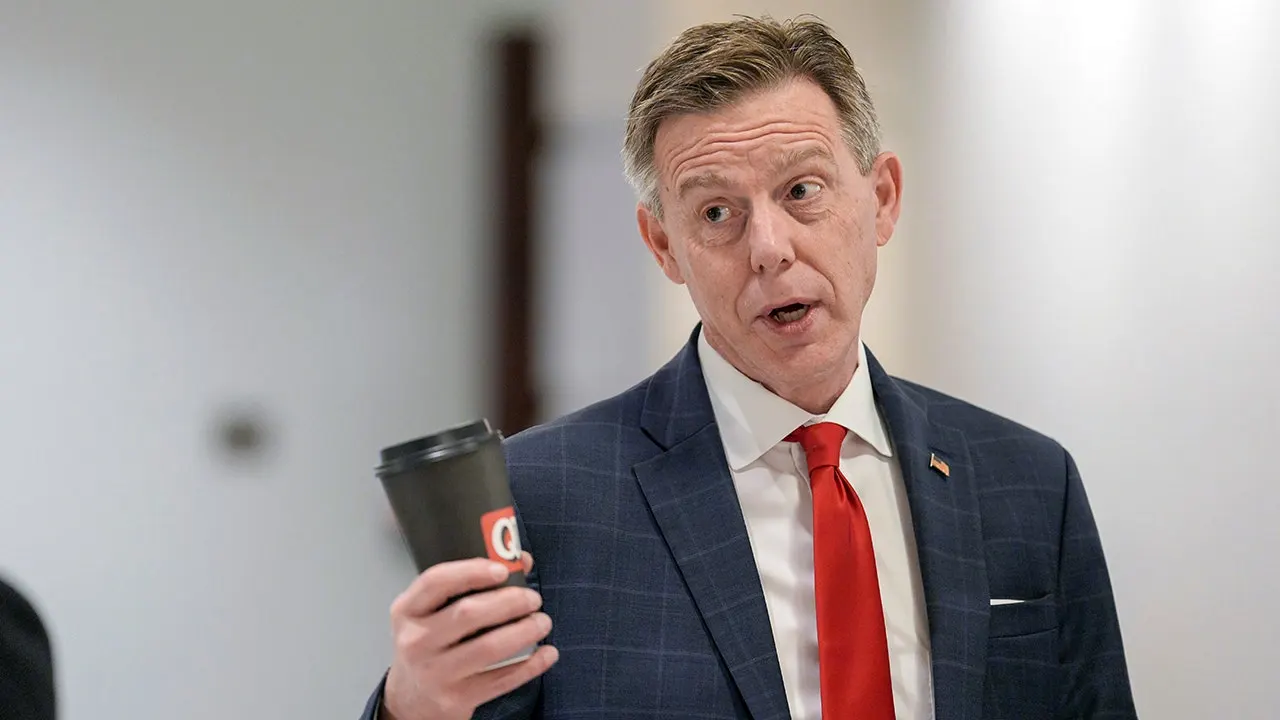
The Republican primary for Governor of Oklahoma has come to a decisive end, with Mike Mazzei emerging victorious in Tuesday night’s runoff election. Mazzei, a former state senator and financial planner, secured the party’s nomination by defeating the current Attorney General, Gentner Drummond. The victory was bolstered by the powerful backing of former President Donald Trump, who had thrown his considerable influence behind Mazzei in the race. With the nomination in hand, Mazzei now stands as the heavy favorite to become the state’s next governor in the upcoming November general election.
A significant subplot of this primary victory is its clear implication for the state’s current political leadership. The win is widely seen as a personal triumph for outgoing Governor Kevin Stitt, who had openly supported Mazzei. Stitt’s endorsement was a direct counter to the candidacy of Drummond, with whom he has had a notoriously fraught relationship. The Governor’s open opposition to the Attorney General has been a persistent theme in state politics, and this primary result serves as a validation of Stitt’s political maneuvering, ensuring his legacy will have a friendly ally in the governor’s mansion.
The animosity between Stitt and Drummond has been a defining feature of their time in office together. Their conflict has played out in a series of public showdowns, including heated lawsuits, sharply worded letters, and pointed criticisms exchanged through the media. At one point, Governor Stitt did not mince words, referring to Drummond as his “longtime political enemy.” This feud provided the backdrop for the primary, turning what could have been a simple policy debate into a personal power struggle between two of the state’s most prominent Republican figures.
The candidates themselves offered voters distinct visions on key issues, with the gubernatorial campaign focusing heavily on fiscal policy, the role of government, and the state’s economic future. Mazzei, aligning himself with the Trumpian and Stitt wing of the party, ran on a bold, conservative platform. His campaign promises included the ambitious goal of eliminating Oklahoma’s state income tax over a six-year period, a plan he detailed extensively in his campaign materials, along with pledges to cut taxes for senior citizens and veterans. He also positioned himself as a reformer, promising to tackle government spending oversight and address other state-level institutional issues.
In stark contrast, Drummond’s campaign highlighted his record as the state’s top law enforcement officer. A rancher and former fighter pilot, he presented himself as a tough, independent leader willing to challenge the status quo, even when it meant going against members of his own party. In his messaging, he touted his efforts to root out corruption and his aggressive legal stance on federal issues, such as confronting Chinese-linked criminal operations involved in illegal marijuana grows and enforcing immigration laws. The contrasting profiles of the two men—the policy-focused businessman versus the law-and-order prosecutor—gave Oklahoma Republicans a clear, albeit divisive, choice between two distinct paths for the state.
External political forces also played a crucial role in shaping the race’s outcome. The national conservative advocacy group, the Club for Growth, poured significant resources into supporting Mazzei, reportedly investing around nine million dollars to boost his campaign. The group’s president praised Mazzei as a “principled conservative” who would advocate for lower taxes and fewer regulations, contrasting him sharply with Drummond, whom they claimed put “radical education bureaucrats” first. Following his primary win, Mazzei now turns his attention to the general election, where he will face Democratic nominee Cyndi Munson, the House Minority Leader. The race for the Sooner State’s highest office is set to conclude on November 3rd, when voters will decide who will lead Oklahoma into its next chapter.