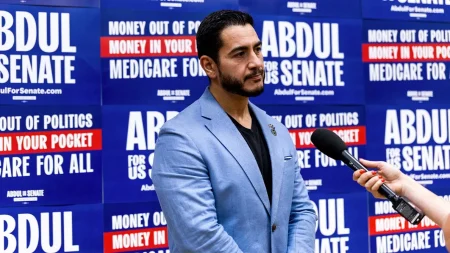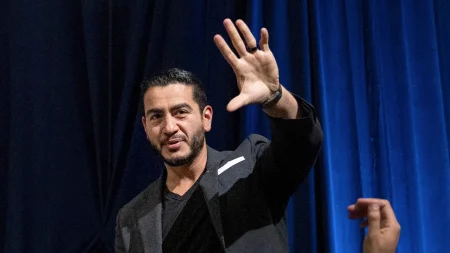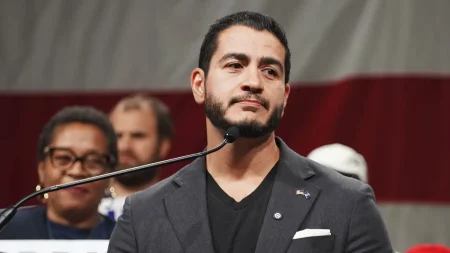





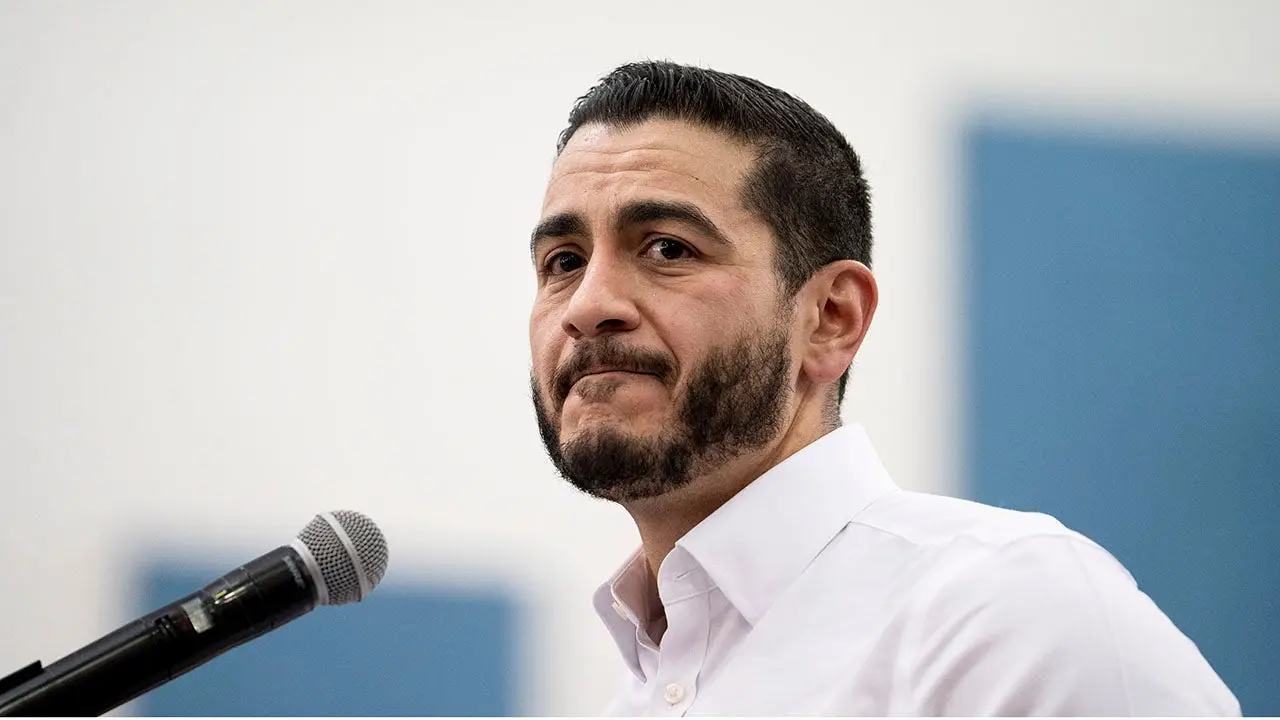
The intensifying Democratic primary battle for Michigan’s open U.S. Senate seat has ignited a fierce debate over the role of money and foreign policy in American elections. Progressive challenger Abdul El-Sayed recently launched a direct attack on his opponent, Representative Haley Stevens, by labeling campaign donations from the American Israel Public Affairs Committee (AIPAC) as a form of “legalized bribery.” El-Sayed took to social media to highlight that AIPAC was preparing to spend nearly $3.9 million to oppose his candidacy. He argued that this massive financial influx suggests Stevens is more dedicated to the interests of a foreign government than to securing domestic federal funding for essential local services like public schools and healthcare for Michigan families.
This provocative accusation has brought long-standing questions about foreign lobbying and campaign finance in American politics to the forefront of the primary race. By framing AIPAC’s involvement as transactional influence, El-Sayed has appealed to a progressive base that is increasingly skeptical of traditional U.S. foreign policy alignments. However, this line of attack has also drawn swift criticism from political observers who question the consistency of his stance. Critics, including investigative journalists, immediately pointed out that if foreign-policy-oriented political action committees represent a form of corruption, the same standard should logically apply to pro-Palestinian and Arab-American advocacy groups that also actively fund and endorse candidates in Michigan’s politically diverse landscape.
The division between the two candidates reflects a broader ideological rift within the national Democratic Party regarding the United States’ relationship with Israel. Representative Stevens, an establishment figure backed by prominent party leaders like Senate Minority Leader Chuck Schumer, has strongly defended the traditional bipartisan alliance with Israel. During a recent primary debate, Stevens sought to strike a balanced tone, emphasizing that advocating for Israel’s right to exist in peace does not preclude supporting the peaceful coexistence of the Palestinian people in Gaza. For Stevens and her supporters, AIPAC’s backing is a mainstream endorsement of a crucial democratic ally in the Middle East rather than an inappropriate foreign intrusion.
Conversely, El-Sayed represents a growing wing of the Democratic Party that seeks to fundamentally reassess American foreign aid and diplomatic priorities. He argues that the political influence of the pro-Israel lobby has grown so unchecked that it stifles necessary debate in Washington, effectively preventing lawmakers from questioning the terms of U.S. assistance or holding foreign partners accountable. According to El-Sayed, this bipartisan reluctance to challenge established foreign policy norms is a direct result of decades of strategic campaign spending by interest groups, which he claims forces both Democratic and Republican lawmakers to fall in line rather than represent the immediate needs of their constituents.
Adding another layer of scrutiny to the primary contest, El-Sayed has faced questions from opponents regarding his personal financial disclosures and transparency. After facing criticism for delaying the release of his tax returns, El-Sayed explained that his family’s financial situation is legally complex due to international holdings. He noted that his wife’s family owns property abroad, which lengthened the process of compiling the necessary tax documentation. This explanation has been met with skepticism by political opponents who have used the delay to question whether the progressive candidate is hiding information about his own financial background while criticizing the financial influences blockading his campaign.
Financial disclosures filed in mid-2025 reveal that El-Sayed’s household net worth is estimated to be between $580,000 and $1.7 million, supported by a substantial salary from his previous work with Wayne County. His foreign assets, which became a point of contention in the debate over transparency, include modest real estate holdings in India valued at up to $15,000 owned by his wife. As the primary election approaches, this mixture of intense ideological debates over foreign policy funding and personal financial scrutiny continues to define the high-stakes race, illustrating the deep divisions within the Democratic electorate as they choose their nominee for the Senate.