


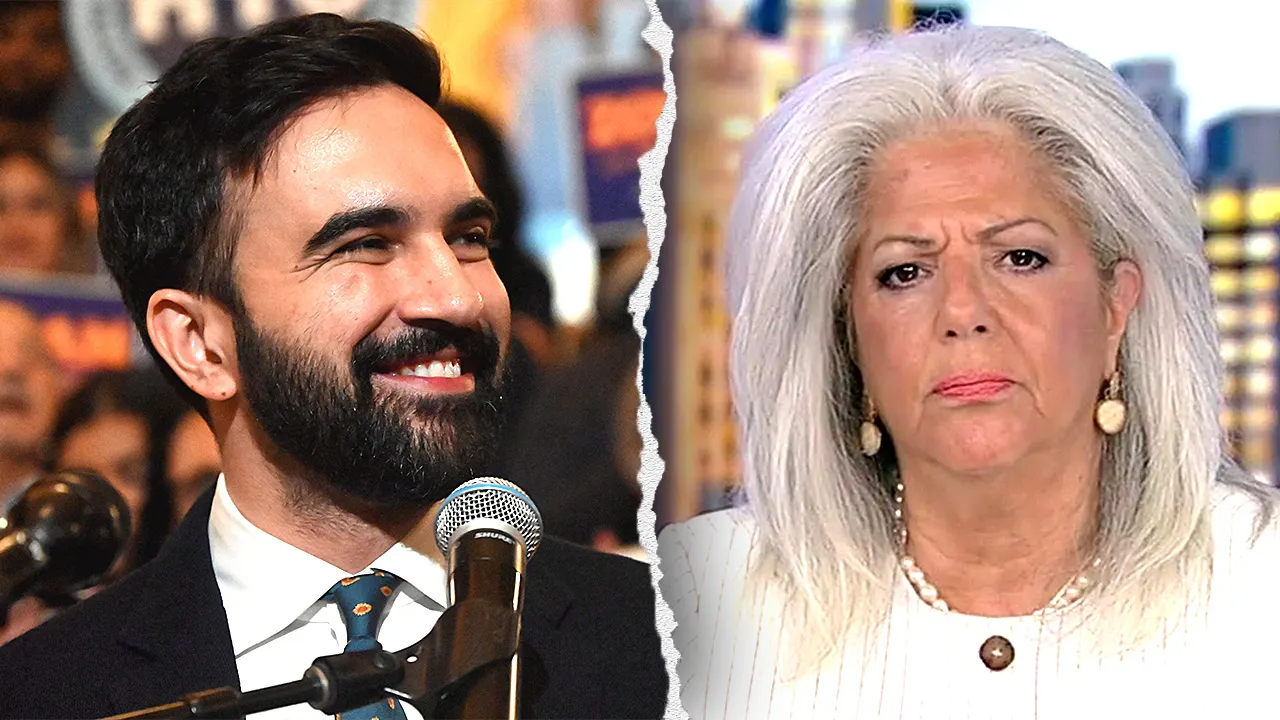
Here’s the thing about New York City: no image is more romantic, more timeless, more deeply woven into the city’s postcard-perfect identity, than a horse-drawn carriage clip-clopping its way through Central Park. Snow falling, lovers bundled under a plaid blanket, the skyline twinkling in the background—it’s the stuff of movies, honeymoons, and lifelong memories. But right now, that picture is hanging by a thread. Mayor Zohran Mamdani has thrown his weight behind a bold, controversial proposal to phase out the city’s iconic horse-drawn carriage industry entirely, and the clock is ticking. The legislation, known as Intro 943 or “Romanch’s Law,” is set for a City Council vote on Thursday, and if passed, it would bring the curtain down on this beloved tradition by June 1, 2028. The bill is named after Romanch Mahajan, the 18-year-old tourist who tragically lost his life after jumping from a runaway carriage in Central Park—a terrifying accident that also left his mother injured. It was the kind of freak, devastating incident that shakes a city to its core, and now it has ignited a political firestorm over safety, animal welfare, workers’ rights, and the very soul of Manhattan.
But here’s where things get really messy. New York City Councilwoman Vickie Paladino isn’t just unhappy with the proposal—she’s calling it unconstitutional, and she’s predicting a legal tsunami the moment the legislation is signed into law. “There will be a lawsuit coming up because this is unconstitutional,” Paladino told Fox News Digital, her frustration palpable. She warned that Intro 943 will be “tangled up in legalese,” meaning that even if the Council votes yes, the fight is far from over. And she’s not alone. The union representing carriage workers has already vowed to challenge the ban in court, setting the stage for a lengthy, bitter legal battle. Meanwhile, the Mahajan family is seeking a staggering $105 million from New York City in connection with the fatal carriage ride that killed their son. It’s a perfect storm of grief, outrage, and political maneuvering, and everyone seems to be bracing for impact. For everyday New Yorkers, it’s hard to know whether to feel hopeful that the city is finally listening to animal rights advocates, or worried that a cherished piece of local history is about to be ripped away in a haze of lawsuits and red tape.
Let’s take a closer look at what this bill actually does, because the details matter. Under Romanch’s Law, the horse-drawn carriage industry would be gradually wound down over the next several years, with a hard deadline of June 1, 2028. It’s not just a simple ban either—the legislation would establish a transition plan for carriage drivers, many of whom have spent decades building their businesses around the park, and it would require the “humane disposition” of the horses, ensuring that the animals are retired to safe, appropriate settings rather than being cast aside. That part is important to animal welfare groups, including PETA, which have long argued that the carriage horses are subjected to dangerous traffic, stressful conditions, and harsh working environments. The bill’s supporters frame it as a moral imperative, a necessary step toward a more compassionate city. But to Paladino and her allies, this is a devastating attack on hardworking people, many of them immigrants who came to New York with nothing and built something real. “Let’s remember that these owners represent a melting pot,” Paladino said passionately. “Their livelihood exists in and around the city.” For them, this isn’t just about symbolism—it’s about paying rent, feeding families, and keeping a small business alive in the most expensive city in America. And the union, which represents those workers, is already preparing to go to court to stop it.
When you start to peel back the layers, it becomes obvious that the debate over the horse-drawn carriages is really a debate about what kind of city New York wants to be. Paladino argues that eliminating the carriages would be a devastating blow to tourism, a historic tradition that draws visitors from every corner of the globe. “People come in from all over the world to take those carriage rides,” she said, with the warmth of someone who clearly remembers the days when a carriage ride was a rite of passage. And she’s right—there is something irreplaceable about sitting in a creaking wooden carriage, listening to the horses’ hooves on the pavement, feeling the crisp air on your face as you roll past the trees and lakes of Central Park. It’s an experience you can’t replicate with a subway map or a bus tour. For tourists, it’s the kind of memory they carry home and tell their grandchildren about. For New Yorkers, it’s a reminder that amid the skyscrapers and chaos, there’s still room for a little old-fashioned romance. To lose that would be to lose a piece of the city’s identity, a quiet, elegant tradition that has survived for over a century. Paladino clearly believes that throwing away this heritage in the wake of a tragic incident—as awful as that incident was—is a mistake that future generations will regret.
Perhaps the most pointed part of Paladino’s tirade, though, was her scathing critique of the so-called alternatives to horse-drawn carriages. In the mayor’s vision of a future without horses, the city seems to be dipping its toe into the world of electric bikes, scooters, and other motorized contraptions—and Paladino wants no part of it. She painted a vivid, unsettling picture of these vehicles tearing through the park, weaving in and out of pedestrians at dangerous speeds, with absolutely no oversight. “These scooters and these motorized bikes that go 20 miles an hour—these scooters that go 30 and 40 miles an hour, zigzagging throughout the park, with no license, no registration and no insurance,” she said, her voice practically shaking with indignation. “How many people get run over by those people?” It’s a fair question. Anyone who has walked through a city park lately knows the anxiety of hearing an electric scooter whirring up from behind, dodging joggers and strollers with terrifying agility. Paladino’s argument is blunt: if the Mamdani administration truly cared about public safety, why would it replace a slow-moving, beloved tradition with a swarm of unregulated, high-speed vehicles that pose a far greater threat to pedestrians? “If the Mamdani administration truly cared about public safety, why don’t they get a handle on the scooter and bike industry?” she asked, turning the mayor’s own logic back on him.
In the end, this is a story that doesn’t have an easy resolution, and it’s unfolding in real time. The vote is coming Thursday, and while the City Council appears poised to pass Romanch’s Law, the legal challenges are already forming a dark cloud over the festivities. The carriage workers’ union says it will fight the ban tooth and nail in court, arguing that it’s an unconstitutional infringement on their livelihoods. Paladino promises lawsuits will be filed “immediately” after passage, meaning we could see this case tied up in courts for years. And through it all, there’s the memory of Romanch Mahajan—a young man with his whole life ahead of him, whose family is now seeking $105 million in damages, and whose death became the catalyst for a civic battle that cuts to the heart of what we value. Mayor Mamdani’s office didn’t respond to requests for comment, which says more than any press release could. Meanwhile, New Yorkers are left to wonder: is this the end of an era, or just the beginning of a very long, very expensive fight? Is it possible to honor a tragedy while still protecting the people who make the city run? Can we find a way to keep the horses safe without putting hundreds of workers out of a job? The answers aren’t going to come easy. But one thing is certain: when the carriage wheels stop turning, the legal gears will just be getting started. And no matter which side you’re on, the horses aren’t the only ones feeling a little spooked by what comes next.