




The Long Shadow of Ground Zero: A City’s Fight for Truth
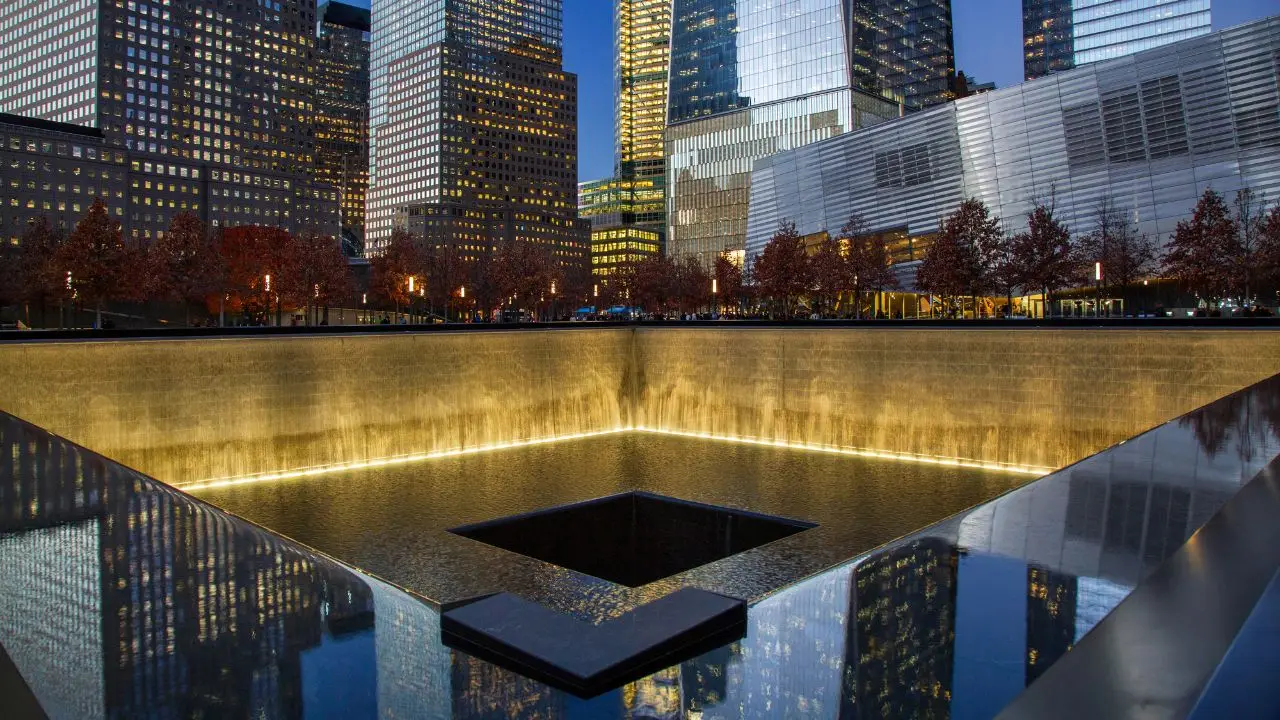
Twenty-five years have passed since the September 11th attacks forever changed the landscape of New York City and the lives of millions who call it home. In the weeks and months that followed that devastating morning, as the nation mourned nearly three thousand souls and the smoke continued to rise from the ruins of the World Trade Center, a quieter battle was being waged—one that would determine the health and futures of countless first responders, residents, office workers, and schoolchildren. This week, New York City Mayor Zohran Mamdani delivered a bombshell that has shaken the foundations of trust between government and citizens: the release of more than 170,000 pages of documents calling into question the official assurances that the air around Ground Zero was safe to breathe in the aftermath of the attacks. The records, discovered in 68 boxes tucked away at the Department of Environmental Protection, surface just days before the 25th anniversary of that tragic day, carrying with them the weight of decisions made in crisis and the haunting consequences of leadership choices. For the thousands who have since died from illnesses linked to the toxic dust and debris, and for the many more who continue to battle respiratory conditions, cancers, and other chronic health problems tracked by the World Trade Center Health Program, these documents represent more than bureaucratic oversights—they represent a broken promise.
The story begins in September 2001, when the Environmental Protection Agency, under the leadership of Administrator Christine Todd Whitman, issued public statements designed to calm a terrified city. On September 18, just one week after the towers fell, a press release declared that monitoring results indicated the air near the World Trade Center was safe to breathe. This assurance followed earlier EPA pronouncements dating back to September 13 that had sought to allay concerns about environmental hazards. Yet as Mamdani dramatically stated during his Tuesday press conference, “People got sick because the leaders they trusted lied and told them they were safe to breathe in toxic air.” The newly released records paint a starkly different picture from the official narrative of safety and reassurance. Ten months after the attacks, traces of asbestos were discovered on the roof of a building at 15 John Street, less than a mile from where the towers once stood. While health authorities have long maintained that there is no known safe level of asbestos exposure, the testing results yielded a complex and troubling picture of contamination. Some locations showed levels below applicable cleanup benchmarks, but others exceeded them, leaving residents and workers in a dangerous state of uncertainty about what exactly they had been breathing, touching, and living with in the aftermath of the nation’s worst terrorist attack. The release of these documents transforms abstract policy discussions into visceral human reality, forcing a reckoning with how ordinary people were caught between institutional failures and their own survival instincts.
Deep within the trove of documents lies a memo that exposes the city’s internal awareness of its vulnerabilities. Dated February 28, 2002, the internal communication was prepared for then-Mayor Michael Bloomberg by his senior policy adviser, and it captured the escalating concerns of Representative Jerrold Nadler about indoor air quality in Lower Manhattan. Nadler had apparently recognized a dangerous bureaucratic shell game in which the EPA had “handed over responsibility for measuring indoor air quality to the City” without establishing proper oversight mechanisms. The city, in turn, had passed responsibility to property owners while the Health Department instructed residents to clean their apartments with wet mops and rags—advice that seems painfully inadequate in light of what we now know about the toxic nature of the dust that had settled into every corner of homes near Ground Zero. The memo’s warning was prophetic in its clarity: “If Nadler’s concerns are justified, we are not informing people of the real health risks in lower Manhattan, the City may face major public relations problems and is leaving itself open to a barrage of lawsuits.” Perhaps most striking is the suggestion that appears in that internal correspondence: “At the least we should discontinue telling people to clean their apartments with wet mops and rags. We should be asking FEMA for funds to support indoor cleanup.” These words, written in the cold language of policy analysis, reveal a profound disconnect between institutional thinking and the lived experience of New Yorkers desperately trying to protect themselves and their families from invisible threats.
Perhaps nowhere do these documents strike closer to home than in the story of Stuyvesant High School, where the contamination reached directly into the lives of children. Located less than half a mile north of the World Trade Center, this prestigious public school became an unwitting frontline in the battle over environmental safety. Testing conducted in August 2002—nearly a year after the attacks—would reveal what concerned parents described as “extremely high levels of asbestos” in the school’s auditorium carpeting. The numbers themselves tell a damning story: a carpet sample analyzed using an EPA-recognized ultrasonication method measured approximately 2.5 million asbestos structures per square centimeter. To understand the magnitude of this figure, one must consider that the EPA’s Lower Manhattan Test and Clean Program set a threshold of just 5,000 asbestos structures per square centimeter for professional cleaning intervention. The Stuyvesant sample was roughly 500 times higher than that benchmark—a number that transforms abstract statistics into a gut-wrenching reality. The parents’ findings did not languish in obscurity; a copy of the press release announcing these results was transmitted through the New York City Department of Environmental Protection’s Bureau of Public Affairs on August 7, 2002. Yet the exposure that these students, teachers, and staff endured raises painful questions about how much was known, when it was known, and why protective actions were not taken sooner.
The human cost of institutional failure comes into sharpest focus in the struggles of the Independence Plaza North community in Tribeca, where residents refused to accept the official narratives and demanded answers. In July 2002, more than ten months after the attacks, the Independence Plaza North Tenant Association (IPNTA) wrote to the EPA in frustration, arguing that the agency’s cleanup of two residential buildings within the complex had not gone far enough while simultaneously urging broader environmental testing throughout the area. Diane Lapson, the tenant association’s environmental chair, articulated the fears of residents with devastating clarity. “The work on this project has thus far been done in an unprotected, hence possibly dangerous manner, allowing the dust from the old carpet being torn up to seep into tenants’ apartments, under and around their doors,” she wrote, capturing the absurd and tragic irony that the very efforts meant to clean contamination might be spreading it further. Lapson criticized the agencies’ reliance on visual inspections rather than comprehensive testing and urged them to employ ultrasonication methods to obtain more reliable measurements of asbestos remaining in the buildings. The petition was grounded in the lived experience of residents whose health was deteriorating in real time: “Based on the illnesses that have plagued IPN residents since 9/11 (constant respiratory, sinus, bronchial, skin rashes, eye infections, headaches, etc.), we believe there is a need to do a thorough cleaning of the entire complex.” By September 2002, the EPA announced eight contracts for asbestos cleanup throughout the downtown area, including the ZIP code encompassing Independence Plaza North. Yet EPA litigation records tell a more troubling story: asbestos contamination persisted in some Lower Manhattan apartments months after the cleanup work had begun. Lori Mogol and Richard Zimbler, residents of Independence Plaza North, still had elevated asbestos levels in their apartment as late as February 2003, with their dining room measuring more than double the EPA’s risk-based clearance level according to tests performed by their assigned contractor. Their story is a stark reminder that for many families, the fear, uncertainty, and danger did not end when the cameras left and the media attention faded.
As the 25th anniversary of the September 11th attacks approaches, the release of these documents serves as a solemn reminder that the legacy of that day extends far beyond the immediate destruction and loss of life. The 2,977 people killed in the attacks were only the beginning of the toll; thousands more have since died from illnesses associated with the toxic environment created by the collapse of the towers, and countless others continue to struggle with health conditions that have reshaped their lives, their families, and their futures. Mayors have come and gone, EPA administrators have moved on to other positions, and government agencies have issued reports and clarifications—but the residents of Lower Manhattan, the students who walked through contaminated rooms, the workers who returned to offices and shops, and the families who lost loved ones to preventable diseases still live with the consequences of decisions made in the immediate aftermath of tragedy. Mayor Mamdani’s decision to release these records on the eve of the 25th anniversary is more than an act of transparency; it is an acknowledgment that the truth, however painful, must finally be confronted. The documents raise profound questions about how governments make decisions in times of crisis, how public health messages are crafted, and whose interests are served when assurances are issued without sufficient evidence. They also offer an opportunity for reckoning and remembrance—not merely of the horror of that September morning, but of the complicated, ongoing aftermath that has shaped the lives of so many. The story is not simply about asbestos levels and bureaucratic memos; it is about trust broken and the long, difficult work of trying to restore it. As the nation pauses to remember the events of September 11, 2001, this trove of documents demands that we honor those who suffered and died not only with ceremonies and memorials, but with an unflinching commitment to honesty about what happened in the days, months, and years that followed. The air around Ground Zero was not safe, and people suffered and died because they were told otherwise. The records are now public, the evidence is available, and the lesson remains painfully clear: the truth, even when it comes decades late, still matters—because the people who were harmed, and the families who still grieve them, deserved nothing less than the full story of what they endured.