




1. Introduction: A Teaser That Promises a Storm
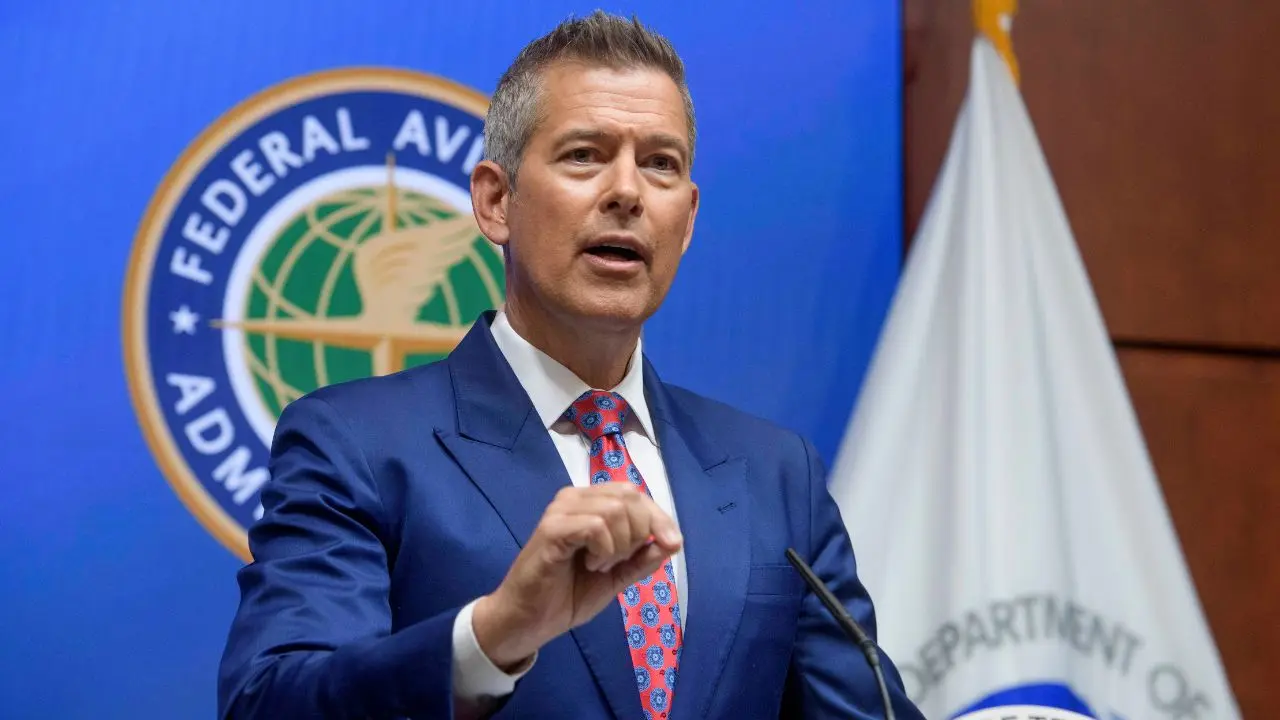
On a quiet Sunday, in the digital public square of X, Transportation Secretary Sean Duffy dropped a bombshell that sent ripples across the political and law enforcement communities. With the stark, all-caps urgency of a breaking news alert, Duffy wrote: “TOMORROW: UNPRECEDENTED FRAUD CRACKDOWN.” The message was brief, almost cryptic, but its weight was unmistakable. This was not a routine policy announcement or a bureaucratic update; it was a promise of sweeping action, and the fact that it came from a top cabinet official in the Trump administration signaled something significant. The post was tagged with the handles of Homeland Security Secretary Markwayne Mullin, the Department of Homeland Security, Immigration and Customs Enforcement, the Department of Justice, and the White House Task Force to Eliminate Fraud. This constellation of agencies was not accidental. It read like a coordinated battle formation, a public declaration that the administration’s war on fraud was about to enter a new, more aggressive phase. The tagging of such a wide array of enforcement bodies suggested that the announcement would be a multi-pronged operation, spanning jurisdictions and crossing traditional bureaucratic lines. It hinted at a unified front. Yet, for all its dramatic buildup, Duffy offered no specifics. When and where would this announcement occur? What type of fraud would be the target? Were there arrests already in the pipeline, or were we simply being promised the initiation of a massive investigation? The ambiguity only deepened the intrigue. In a political climate where every move is scrutinized, this kind of deliberate vagueness is often used to maximize media impact and public anticipation. The use of the word “unprecedented” was particularly striking. It signaled that the Trump administration, already known for its tough-on-crime rhetoric and its aggressive use of executive power, was prepared to go further than any previous government in its pursuit of those who steal from the public purse. This was not merely about catching a few bad actors; it was about fundamentally reshaping how the federal government detects, investigates, and prosecutes fraud.
2. The Broader Crackdown: A Coordinated Federal War on Waste and Abuse
Duffy’s teaser, however, was not an isolated incident. It was the latest salvo in a broader, sustained campaign that the Trump administration has been waging against fraud since the start of its term. The context is essential to understanding the gravity of Monday’s promised reveal. In March, President Trump established the White House Task Force to Eliminate Fraud, an executive-level body created to coordinate efforts across dozens of federal agencies, with a specific focus on benefit programs. These programs—ranging from Medicare and Medicaid to Social Security, unemployment insurance, and pandemic relief initiatives—have historically been vulnerable to exploitation, costing taxpayers billions of dollars annually. According to various government accountability reports, improper payments within these programs have reached staggering heights, with estimates in the hundreds of billions over the past few years alone. The task force was designed to bring a singular, unified strategy to combat this systemic bleeding of funds. It was not to be a mere advisory panel, but an action-oriented unit with the power to subpoena, compel testimony, and work alongside the Department of Justice to ensure that fraudulent actors were not only identified but actively prosecuted. This is where the DOJ’s newly formed National Fraud Enforcement Division enters the picture. Created to centralize and intensify the prosecution of financial crimes against the government, this division represents a significant escalation in the federal judiciary’s approach to white-collar crime. By concentrating resources and expertise, the DOJ aims to move faster and hit harder than ever before in the recovery of stolen taxpayer dollars. This is exactly the kind of apparatus that would support Duffy’s “unprecedented” announcement. The coordination between the DOJ, DHS, ICE, and the Department of Transportation is indicative of a whole-of-government approach. Fraud in modern America is not a simple street-crime; it is often a sophisticated network that crosses state lines, international borders, and institutional boundaries. A trucking company might falsify licensing records, but it might also employ undocumented immigrants, launder money, or be tied to drug trafficking. By bringing all of these agencies to the table, the administration is acknowledging that they cannot fight fraud in silos; they must share intelligence, resources, and manpower. The fact that Duffy, a traditionally transportation-focused official, is spearheading the announcement alongside DHS and DOJ underscores how this issue has become a central pillar of the administration’s law-and-order agenda.
3. On the Roads: The Front Line in the Fight Against Trucking Fraud
To understand the immediate likelihood of what Duffy might be referring to, it helps to look at the recent activities of his own department. The Department of Transportation, under Duffy’s leadership, has been exceptionally proactive in its crackdown on alleged fraud within the commercial trucking industry, often in conjunction with DHS. This particular area of concern is ripe for investigation due to the sheer volume of money involved and the potential danger to public safety. Commercial driver’s licenses (CDLs) are the lifeblood of the American economy; the trucking industry moves nearly 70% of all domestic freight, and without a qualified, accountable workforce, the supply chain collapses. However, this system is deeply vulnerable to exploitation. In July, the two agencies announced a joint investigation into approximately 75 commercial driving schools suspected of significant fraud. The allegations were serious and detailed: these schools were allegedly falsifying training records, in which they would sign off on behind-the-wheel instruction time that never actually occurred, and improperly certifying drivers who were not physically or mentally qualified to operate a commercial vehicle. This is not a victimless crime. A driver who does not genuinely know how to operate a 40-ton rig is an imminent threat to every other person sharing the road. Furthermore, these fraudulent schools were seen as a gateway for non-citizens, many of whom were unauthorized to work in the U.S., to obtain CDLs through corrupted processes, bypassing vetting procedures that exist to protect national security and highway safety. Duffy and Mullin have also conducted roadside enforcement operations, where inspectors and law enforcement officials intercept commercial vehicles to check the legitimacy of the drivers’ credentials. These operations have reportedly led to the removal of unqualified or unvetted foreign drivers from the road, often resulting in impoundment of vehicles and the suspension of licenses. The scope of this investigation is massive—and it is precisely the kind of enforcement activity that could culminate in a major, coordinated announcement. When Duffy speaks of an “unprecedented fraud crackdown,” it is entirely plausible that he is referring to a massive expansion of this trucking initiative. Perhaps we will see federal indictments against the owners of these driving schools, or a sweeping new database system to cross-check CDL records with immigration status. Alternatively, the announcement could pertain to a broader investigative panel that has uncovered a nexus between fraudulent CDL issuances and other federal benefit fraud, creating a web of criminal activity that requires a multi-agency takedown.
4. The Interagency Web: How DHS, ICE, and DOJ Are Converging
The tag of Immigration and Customs Enforcement (ICE) in Duffy’s post is a particularly telling detail. It suggests that the fraud crackdown is not merely about financial integrity or highway safety, but also about border security and immigration enforcement. The logic is that fraudulent fraud schemes, particularly in for-profit sectors like trucking schools, are often linked to facilitators who provide fraudulent documents to undocumented immigrants. These facilitators may not just be issuing CDLs; they may be part of a larger ecosystem of identity theft, benefit fraud, and human smuggling. By connecting ICE to the Department of Transportation’s regulatory oversight, the administration is bridging the gap between economic crime and national security. This is a powerful narrative that resonates with Trump’s base, who often view fraud prevention as a form of protecting American citizens and public resources from being drained by those who are not legally authorized to benefit from them. But there is also a practical dimension. ICE has sophisticated databases and intelligence-gathering capabilities. When they partner with the DOT, they can cross-reference commercial driver information with immigration records, catching individuals who have used fraudulent social security numbers or who have previously been deported. This kind of data-sharing is the essence of modern law enforcement collaboration. Similarly, the Department of Justice’s National Fraud Enforcement Division brings a powerful litigation muscle. Their role would be to take the evidence gathered by the DOT and DHS and turn it into federal criminal cases. This might include charges of mail or wire fraud, identity theft, making false statements to government agencies, and potentially even RICO (Racketeer Influenced and Corrupt Organizations) violations if the fraud is shown to be systemic. The coordination that is taking place behind the scenes is likely immense. Rather than having individual agencies pursue isolated investigations, a joint task force can work as a single unit. They can pool resources, such as forensic accountants, data analysts, and undercover agents. Monday’s announcement could be a showcase of this teamwork—a press conference featuring Duffy, Mullin, the Deputy Attorney General, and perhaps representatives from the White House, all presenting a unified case against a particular sector of the economy. The use of the Red Line and the interactive map tracking suspected fraud—a recent White House initiative—also suggests that they will be bringing public awareness tools to the effort, making the fraud visually digestible for the average American.
5. The Human Elements: Taxpayer, Victim, and the Quiet Fear of the Honest Worker
Behind the headlines and the political grandstanding are real people whose lives are affected by both fraud and its enforcement. On one side, there are the American taxpayers. Every dollar stolen through fraudulent claims, whether in transportation or social benefits, is a dollar that could have been spent on infrastructure, education, or public health. For a working-class family, the idea of systematic fraud is a direct theft from their livelihood. The phrase “unprecedented fraud crackdown” gives them hope that the system is finally being cleaned up, that their hard-earned money is not being siphoned off into the pockets of criminals. On the other side, there is the human cost of the fraud itself, particularly in the trucking industry. Consider the honest, hardworking truck driver who has spent months studying for their CDL, paying for legitimate training, and adhering to safety regulations. This driver is now competing in a marketplace where others have cut corners, acquired their licenses through fraudulent means, and potentially driven at lower wages because they have no legal standing to demand better conditions. This creates a race to the bottom that undermines the dignity of the profession. Moreover, there is the whistleblower—the driving instructor who saw fellow schools signing off on students who couldn’t even pass a basic vision test. These instructors often live in fear of retaliation, yet their testimony is crucial to these investigations. The announcement on Monday will likely acknowledge these individuals, the ones who came forward at personal risk to expose corrupt practices. And then there is the undocumented worker who was lured into a fraudulent scheme, promised a CDL without realizing the legal and criminal consequences. They are victims of exploitation too, even if they are also technically lawbreakers. The humanization of this story is the realization that fraud is not an abstract white-collar crime; it has tangible consequences on the streets—it means tired, unqualified drivers behind the wheels of buses and 18-wheelers, or it means millions of dollars vanishing from Social Security funds for the elderly. The crackdown is not just about punishing wrongdoers; it is about protecting the vulnerable. The Administration’s message is aimed at that family in Ohio that lost a loved one in an accident involving a fraudulently-certified truck driver, or the senior citizen whose Medicare funds are stretched thin due to billing scams. It is a promise of accountability.
6. Anticipation and the Road Ahead: Setting a New Precedent
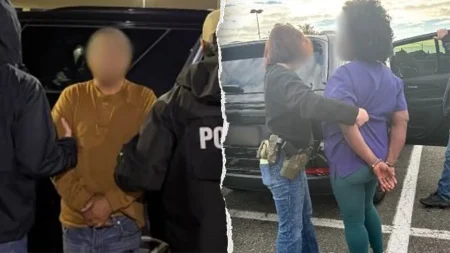
As the clock ticks towards the Monday announcement, the expectation hangs thick in the air. Based on Duffy’s aggressive language and the extensive interagency tagging, this is not going to be a boilerplate press release. This will likely be a watershed moment in the Trump administration’s fraud enforcement agenda. The word “unprecedented” suggests that Monday will feature something that has never been done before. It could be the unveiling of a new artificial intelligence system designed to detect fraud in real-time across federal agencies. Or it could be the announcement of the largest single-day multi-state arrest operation in the history of the Department of Transportation. Alternatively, it could be the revelation of an intricate investigation that has brought down a shadow network of fraudulent drivers, money launderers, and immigration law violators. The involvement of ICE strongly suggests a focus on the immigration-fraud nexus, meaning that Monday could show raiding of fraudulent driving schools and the arrest of representatives who are being charged as facilitators of illegal immigration. This would be a highly visible, politically potent move that demonstrates the administration’s commitment to enforcing both immigration law and economic integrity. Regardless of the specific content, the stakes are high. The administration has made fraud a signature issue, and they will want to show progress. For the public, this announcement is a promise that the government is still functioning, that it is capable of policing itself against corruption. It is a narrative of renewal, of cleaning house. The humanized story we have told today—of taxpayers, honest workers, whistleblowers, and federal investigators—is all converging towards that single, yet-to-be-released press release. We have moved from a teaser on X to a full-fledged cultural moment. Monday will not just mark the start of another investigation; it will mark the inauguration of a new standard in federal enforcement, one where no agency operates in the dark, and where fraudsters, no matter how organized or well-funded, have reason to fear the new dawn of accountability that is rising over Washington D.C. This is a story about restoration—restoring trust in the system, restoring safety to the roads, and restoring the value of a taxpayer dollar. And it all begins with a single announcement from Sean Duffy on a Monday morning.