

Paragraph 1
When the sun finally rose over the Gulf Coast, the world that people had known just twenty-four hours earlier was gone. What greeted them instead was a landscape of twisted metal, shattered timber, and water where streets used to be. Communities along the Florida Panhandle and beyond began the slow, heartbreaking process of assessing the damage left behind by Hurricane Isaias, a powerful and violent storm that had torn through the region with little mercy. In the hardest-hit areas, the scale of destruction was almost impossible to process. Homes that had stood for generations were now missing roofs, their walls soaked and stained, their windows blown out like empty eyes. Roads that had once carried children to school and workers to their jobs were now rivers of murky floodwater, littered with debris, broken branches, and the scattered belongings of families who had been forced to flee. It was a scene of chaos, but also one of quiet determination, as residents emerged from shelters and safe rooms to face the reality of what the storm had done. They walked through their neighborhoods in a daze, stepping over fallen power lines and shattered glass, calling out to neighbors, checking on the elderly, and trying to make sense of it all. The emotional weight of the moment was heavy, but so was the resolve to begin again. Isaias had slammed into the Florida Panhandle near Destin on Friday, October 9, as a Category 2 hurricane, with maximum sustained winds of 105 miles per hour. It had arrived with terrifying force, bringing destructive winds, dangerous storm surge, and widespread flooding that would leave a lasting mark on the region. But the storm was more than just a weather event; it was a defining moment for the people who lived through it, a test of their strength, their patience, and their ability to come together in the face of unimaginable loss.
Paragraph 2
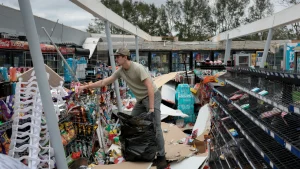
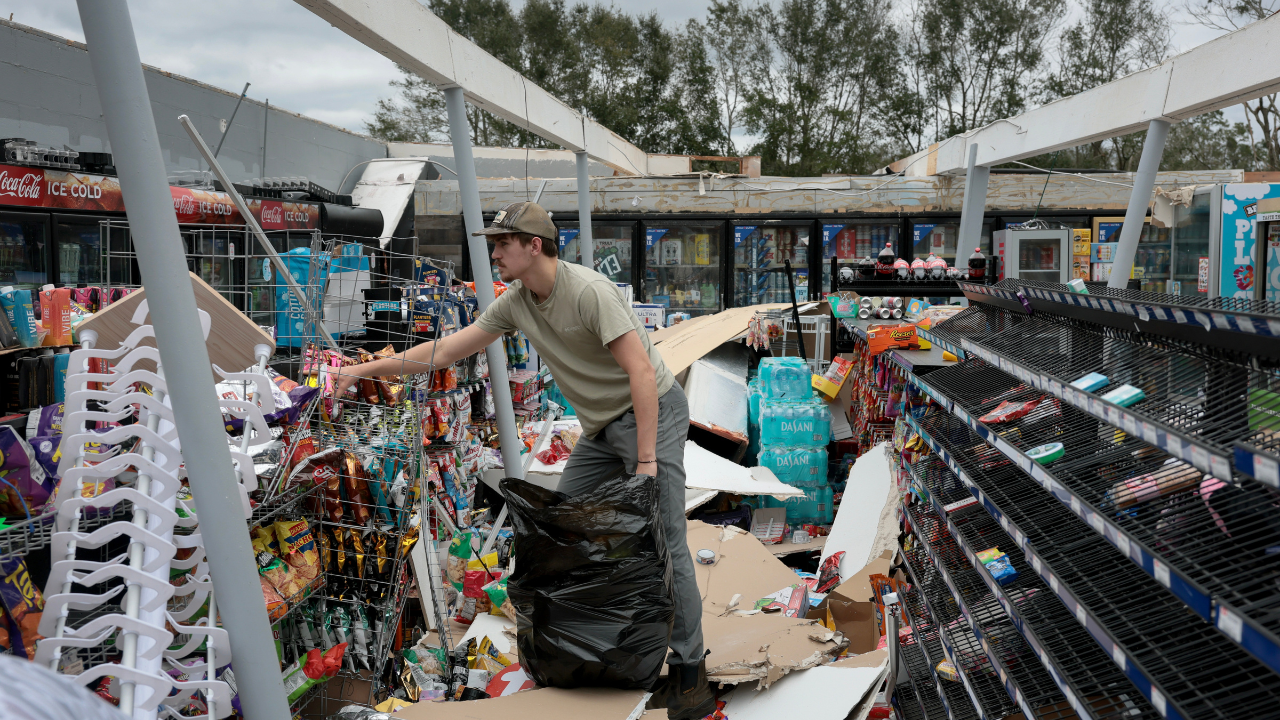
The physical destruction left in Isaias’s wake was staggering, and the stories emerging from the affected communities painted a picture of both devastation and survival. The hurricane tore roofs from buildings as if they were made of paper, ripping through homes, schools, and businesses with a ferocity that left even seasoned storm veterans shaken. Ancient trees that had shaded streets for decades were uprooted and tossed aside like twigs, their massive root systems exposed to the sky, their branches blocking roads and crushing cars. Power lines snapped and fell, sparking fires and plunging hundreds of thousands of customers across Florida and Alabama into darkness. For many, the sound of the wind was the most terrifying part—a constant, deafening roar that made it impossible to sleep, to think, or to feel safe. Families huddled together in bathrooms and hallways, listening to the storm rage outside, praying that their homes would hold. Some were not so fortunate. When dawn broke, they found their living rooms open to the sky, their kitchens buried under debris, their precious photographs and heirlooms ruined by rain and floodwater. The storm surge, which pushed seawater inland with relentless force, turned coastal neighborhoods into shallow oceans, swallowing cars, flooding garages, and destroying everything in its path. In the immediate aftermath, rescue crews and first responders worked around the clock, wading through waist-deep water, searching for anyone who might be trapped, and checking on residents who had refused to evacuate. Their efforts were heroic, but the scale of the destruction was overwhelming. Every street seemed to tell a different story of loss, and every pile of debris represented a family’s memories, a community’s history, or a small business owner’s dream. Yet amid the wreckage, there were also moments of profound humanity—strangers helping strangers, neighbors sharing generators and food, and volunteers arriving from nearby towns with chainsaws, bottled water, and open hearts. The road to recovery would be long, but the people of the Gulf Coast had already begun to walk it together.
Paragraph 3
For those who study the weather and for the millions of people who live along the Gulf Coast, Isaias carried a significance that went far beyond the immediate destruction. The hurricane marked the first time a storm had made landfall along the U.S. Gulf Coast since Hurricane Milton battered Florida in October 2024, a gap of nearly two years that had allowed many to breathe a little easier. In that time, communities had repaired, rebuilt, and tried to move on from past storms, convincing themselves that perhaps the next season would be quiet, that maybe they would be spared. But Isaias shattered that sense of security, arriving with little warning and reminding everyone of the awesome, uncontrollable power of nature. It also became the first hurricane of the 2026 Atlantic season, a distinction that felt particularly jarring because the season had been so unusually quiet. Month after month had passed without a single hurricane developing, leading some meteorologists to call the season one of the most subdued in recent memory. The tropics had been calm, the waters had been warm but not menacing, and forecasters had begun to lower their expectations. Then October arrived, and with it, Isaias, as if the ocean had been saving its fury for a single, concentrated blow. The storm’s rapid formation and intensification caught many off guard, and its landfall as a Category 2 hurricane with 105 mph winds served as a stark reminder that hurricane season does not follow a predictable script. For residents who had grown complacent after months of quiet weather, the storm was a wake-up call—a brutal lesson in humility and preparedness. It also underscored the importance of heeding warnings, having a plan, and never taking a calm forecast for granted. In the days following the storm, conversations in shelters and evacuation centers often turned to the same theme: how something so sudden could change everything, and how the memory of Isaias would linger for years to come.
Paragraph 4
As Isaias moved inland and gradually weakened, the full extent of the hurricane’s destruction began to emerge, and the massive job of recovery swung into action. Governor Ron DeSantis, recognizing the severity of the situation, deployed an army of National Guard troops and emergency workers to the hardest-hit areas, with a clear mission: clear the roads, restore power, and help communities get back on their feet. Their arrival was a welcome sight for residents who had spent hours, or even days, cut off from the outside world. The sound of chainsaws filled the air as crews worked to cut through fallen trees and open roads that had been completely blocked by debris. Utility workers from across the state, and even from neighboring states, poured into the region, racing to repair damaged substations and replace broken poles. For many residents, seeing those crews working in the heat, often without rest, was a powerful reminder that they were not alone in their struggle. The initial chaos of the immediate aftermath began to give way to a more organized, though still exhausting, effort to restore a sense of normalcy. Neighborhoods that had been silent and dark began to hum with the sound of generators, and the first signs of life returned to streets that had looked like war zones. Lines formed at distribution centers where bottled water, food, and tarps were being handed out, and volunteers worked side by side with strangers, loading supplies into cars and offering words of encouragement. The destruction was still everywhere, but so was the spirit of cooperation. People who had lost everything still found the strength to help their neighbors, and communities that had been divided by geography or circumstance came together in a shared purpose. The road to recovery was far from complete, but the foundation for rebuilding had been laid, not just with wood and nails, but with the resilience and determination of the human spirit.
Paragraph 5
Perhaps nothing captured the reality of Hurricane Isaias better than the stunning images that emerged from across the Gulf Coast in the storm’s aftermath. Photographs showed entire neighborhoods reduced to piles of splintered wood and twisted metal, boats thrown onto highways like children’s toys, and streets transformed into canals. Aerial footage revealed the immense scale of the flooding, with brown water covering fields, parking lots, and even entire blocks, making it difficult to tell where the land ended and the water began. But the images were not only of destruction. There were also photographs of rescue workers carrying elderly residents through floodwaters, of families embracing in relief after being reunited, of children laughing as they splashed through puddles, their innocence a powerful counterpoint to the devastation around them. One image showed a lone American flag still flying from a damaged home, its tattered edges whipping in the wind, a symbol of stubborn pride and resilience. Another captured a line of volunteers passing buckets of water and supplies down a street, their faces streaked with sweat and mud, but their eyes full of purpose. These images told the story of Isaias in a way that words alone could not, capturing both the immense power of nature and the remarkable strength of the people who refused to be broken by it. As they were shared on social media and broadcast on television, they also served as a call to action, prompting donations, offers of shelter, and an outpouring of support from across the country. The world was watching, and what it saw was not just a disaster, but a demonstration of courage, compassion, and community. The photographs would become part of the historical record, a visual reminder of what happened when a powerful storm met an unyielding people, and of the long, difficult journey that followed in its wake.
Paragraph 6
In the days and weeks ahead, the Gulf Coast will face a long and difficult process of cleanup, rebuilding, and healing. The debris will be cleared, the power will be restored, and the floodwaters will eventually recede, but the scars left by Hurricane Isaias will remain for some time, both in the landscape and in the hearts of those who lived through it. For many, the storm was a defining moment, a test of endurance that revealed both the fragility and the strength of human life. There will be countless hours of hard work, endless paperwork for insurance claims, and difficult decisions about whether to rebuild or move on. There will be moments of frustration, exhaustion, and grief as the reality of what has been lost settles in. But there will also be moments of joy—a family returning to their repaired home, a child going back to school, a community celebrating a small victory in the midst of so much loss. The people of the Gulf Coast have faced hurricanes before, and they will face them again, but each time they have proven that they are not defined by the storms that hit them, but by the way they respond. They are defined by the neighbor who offers a warm meal, the stranger who arrives with a chainsaw and a smile, the volunteer who works until her hands are blistered, and the friend who simply sits beside you in silence when the weight of it all feels too heavy to bear. Isaias was a powerful storm, but it was no match for the spirit of the people who call this region home. They will rebuild, not just because they have to, but because they believe in the place they live and in the community they have built together. And when the last piece of debris has been cleared and the last roof has been repaired, they will look back at this moment not as a tragedy, but as a testament to their courage, their compassion, and their unwavering will to carry on. The road ahead is long, but so is the history of this resilient and remarkable part of America. And if there is one thing that Hurricane Isaias could not destroy, it is the hope that tomorrow will be better than today, and that the bonds forged in the darkest hours will last a lifetime.