



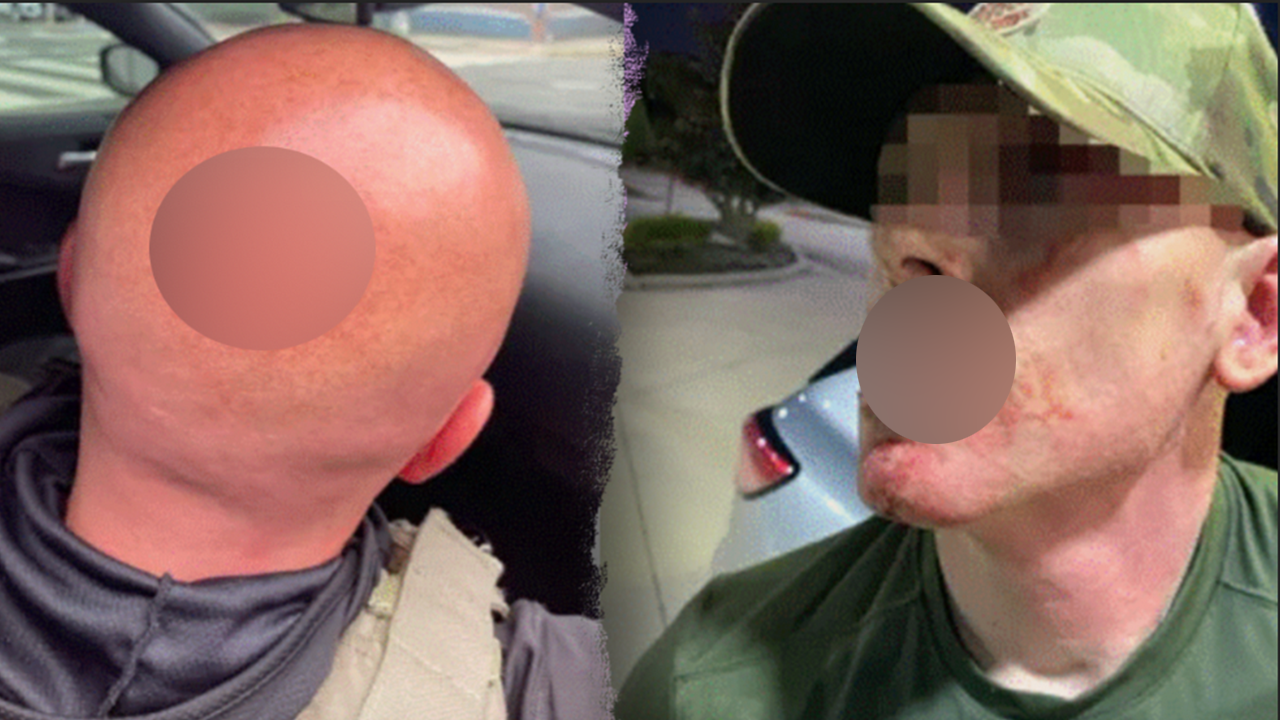
Behind every statistic in the Department of Homeland Security’s latest report is a person who woke up, put on a badge, and kissed their family goodbye before heading into a job that has become increasingly dangerous. The numbers are staggering: assaults against U.S. Immigration and Customs Enforcement officers have skyrocketed by 1,649 percent, with 647 attacks recorded between Jan. 20, 2025, and Sept. 20, 2026. In the equivalent period under the previous administration, that number was just 37. For context, this isn’t a slow rise or a minor spike—it’s a seismic shift in the reality of federal law enforcement. DHS Secretary Markwayne Mullin described it plainly: “The brave men and women of ICE, who are simply enforcing the laws mandated by Congress and protecting the American people, are under attack every single day. Since President Trump unleashed ICE to do their jobs, assaults against them have risen by more than 1,600% in the first year and a half of the administration.” But behind those percentages are real stories of fear, injury, and resilience that deserve more than a passing glance.
The surge in violence is not happening in a vacuum. DHS points to an increasingly hostile environment fueled by what Mullin calls “vicious lies” spread by sanctuary politicians and their allies. These are not just disagreements over policy—they are accusations that have, in many cases, turned deadly. Elected officials and activists have compared ICE officers to some of the most reviled institutions in history, including the SS and Gestapo of Nazi Germany, and have called for the agency’s abolition. Rep. Jasmine Crockett, D-Texas, went as far as to liken ICE to “slave patrols” that were “disappearing people based on their skin color.” When people in positions of power use that kind of language, it does more than inflame public sentiment—it can encourage those who are already inclined to violence. The result has been a climate where agents are demonized simply for carrying out the duties assigned to them by Congress, and where the very mission of protecting American communities is recast as an act of terror.
The physical attacks themselves are harrowing. In October 2025, Eduardo Aguilar, an illegal immigrant from Mexico living in Dallas, allegedly posted a video on TikTok in Spanish soliciting the murder of ICE personnel. In July of that year, a group of anti-ICE protesters opened fire on officers at the Prairieland Detention Center in Alvarado, Texas, wounding a law enforcement officer. Eight suspects connected to that attack were eventually sentenced in June to prison terms ranging from 30 to 100 years. Then there’s the case of Gabriel Hurtado-Cariaco, a member of the Tren de Aragua gang in Bellevue, Nebraska. In June 2025, authorities say he threw an ICE agent to the ground, slammed her head into the pavement, ripped off her body armor, and continued to make violent physical contact during an attempted arrest. The agent sustained serious injuries to her head and arm and had to be taken to the University of Nebraska Medical Center for treatment. Hurtado-Cariaco now faces attempted murder charges. This is not a theoretical danger; it’s the kind of violence that leaves officers questioning whether they will make it home at the end of their shift.
The list of incidents goes on. People have hurled rocks, Molotov cocktails, and various other objects at ICE officers during protests. In Portland, a man was sentenced to 30 months in prison for throwing a rock at an ICE officer during a demonstration. These aren’t isolated actions by outsiders—they are occurring in the context of a broader push to resist the Trump administration’s crackdown on illegal immigration. That crackdown has placed a renewed emphasis on targeting individuals with criminal records and those who have final removal orders. Many of the people ICE apprehends have been convicted of serious offenses: murder, child sex crimes, terrorism, and drug trafficking. The agency’s mission, at its core, is to remove dangerous individuals from American streets and uphold federal law. Yet instead of being thanked for that work, officers are being met with ambushes, projectiles, and gunfire. In interviews, some agents have described the unsettling thought that runs through their minds during every traffic stop or arrest: “Am I going to die?” It is a question no federal employee should have to ask themselves just for doing their job.
Many Democratic-run jurisdictions have also strengthened their sanctuary policies, making it even harder for local law enforcement to cooperate with federal immigration authorities. That means ICE officers often find themselves working in environments where local officials are not just refusing to help, but actively encouraging resistance. DHS has called on sanctuary politicians to stop attacking federal law enforcement, to stop putting the needs of illegal aliens ahead of the safety of American citizens, and to start working alongside the agency to make America safe again. There are also reports that DHS has discussed withholding funding from sanctuary cities in response to increasingly aggressive operations, including a notable bust in New York. The message from the agency is clear: enough is enough. But beyond the political back-and-forth, there is a human dimension that often gets lost. The officers being attacked are mothers and fathers, sons and daughters, veterans and community members. They took an oath to enforce the law, and they deserve to go to work without fearing for their lives.
In the end, this story is not about politics in the abstract—it’s about the men and women who stand between Americans and those who would do them harm. The dramatic rise in assaults against ICE personnel is a warning sign of what happens when lawful enforcement is met with open hostility. It’s easy to debate immigration policy, but it is not acceptable to threaten, injure, or kill the people tasked with carrying it out. The comparison of ICE officers to murderous regimes and slave patrols is not only historically inaccurate, it is dangerous. Words have consequences, and in this case, those consequences have included gunfire, attempted murder, and a wave of violence that has fundamentally changed the way officers approach their work. As the country continues to wrestle with the complexities of immigration, we must not lose sight of a basic truth: federal agents are human beings, too. They deserve safety, respect, and the chance to return home to their families at the end of the day. Whatever one believes about policy, no American should celebrate the suffering of those who are simply trying to do their jobs.