





What should have been a weekend of profound joy, historic liberation, and vibrant cultural reflection during the Juneteenth celebrations in Chicago instead spiraled into a devastating, heartbreaking tragedy that left families shattered and entire neighborhoods mourning. Behind the cold, sterile data released by the Chicago Police Department—which recorded twenty-four separate shootings, thirty-nine casualties, and six precious lives cut short between Friday evening and Sunday night—lies a profound, staggering human toll that simple statistics can never fully capture. These were not just numbers on a police ledger; they were teenagers with bright futures, deeply loving parents, cherished neighbors, and close friends whose lives were abruptly stolen in chaotic bursts of gunfire across neighborhoods that have long struggled under the heavy weight of systemic neglect, structural poverty, and safety anxieties. For the residents of Chicago’s South and West Sides, the holiday weekend did not bring the peace and solace they so desperately deserved, but rather a terrifying reminder of the volatile environment that persists right on their doorsteps. The echoing gunshots over the weekend served as a painful and exhausting catalyst, reigniting a long-standing national debate about how to break the cyclic nature of urban violence, heal deeply traumatized neighborhoods, and restore a sense of basic safety to citizens who feel increasingly abandoned by the institutions designed to protect them. Ultimately, this latest wave of violence underscores the urgent, non-negotiable need for empathy-driven solutions that look far beyond partisan talking points to address the real, breathing human beings who live through these daily terrors, ensuring that their collective grief is met with genuine justice, therapeutic resources, and structural healing rather than political exploitation. In every home touched by this violence, the loss ripples outward, creating a collective trauma that shapes the childhoods of local youth and the daily anxieties of working parents who worry if their loved ones will return home safe after a simple walk down the street.
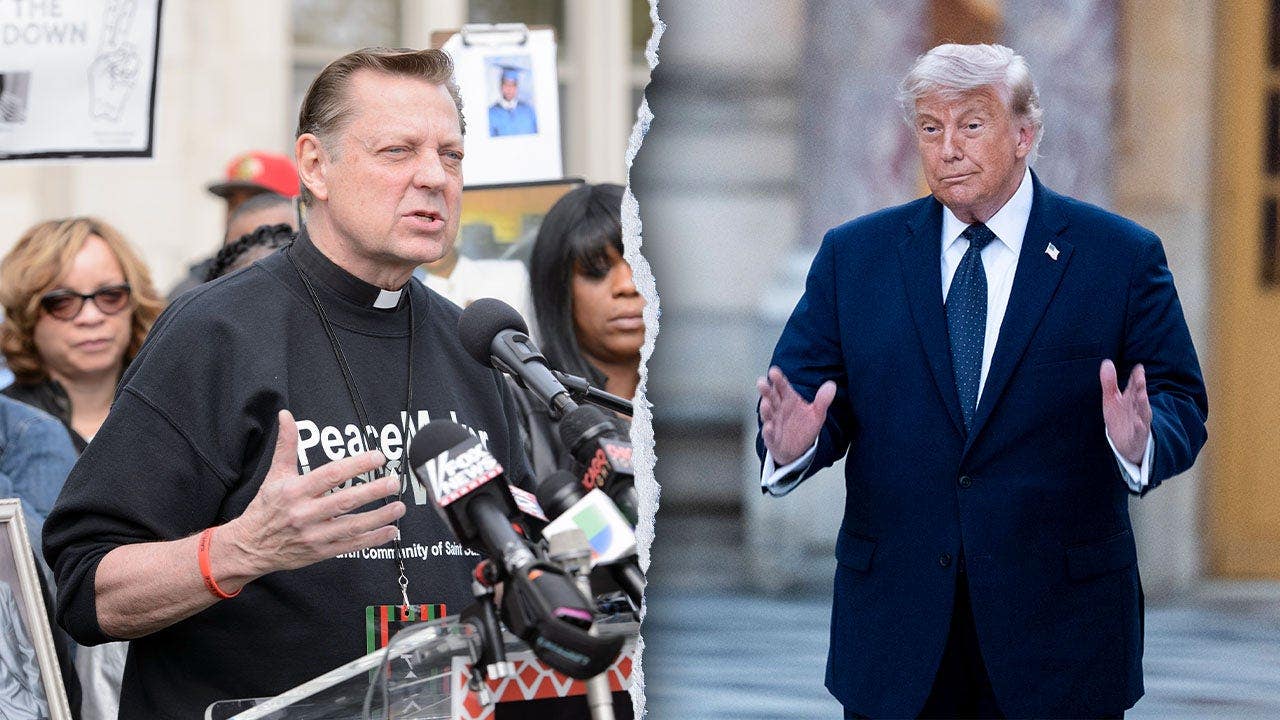
The escalating bloodshed quickly caught the attention of former President Donald Trump, who utilized his social media platform, Truth Social, to launch a sharp, highly visible political critique aimed directly at Illinois Governor JB Pritzker and the city’s Democratic leadership. Painting a grim, dark picture of Chicago as a lawless urban warzone, Trump highlighted the weekend’s casualties to reinforce his ongoing narrative that major American cities are collapsing under progressive management. He questioned why local officials were not actively pleading for his assistance, confidently boasting that he could easily transform Chicago into one of the safest cities in the entire nation within a single month, or at most, one year. To support his bold claims, Trump pointed to his previous administrative policies in Washington, D.C., where he asserted that a heavy-handed federal approach and potential deployment of the National Guard had successfully turned around a severe crime crisis, making it incredibly safe. In his view, the escalating violence is a direct consequence of weak local authority and administrative complacency, suggesting that only robust, top-down federal force and military-style intervention can restore order to Chicago’s streets. This perspective taps into a deeply polarized national narrative that advocates for militarized policing and federal crackdowns as the primary remedy for urban crime, presenting a stark contrast to the community-based, preventative models favored by local progressives. Trump’s remarks, while appealing to his political base who demand swift law-and-order measures, immediately drew the ire of community advocates who viewed his assertions as performative, politically motivated, and completely detached from the complex socioeconomic realities that fuel violence, arguing that sending federal forces might temporarily suppress symptoms but would fundamentally fail to cure the underlying social disease.
Among the most passionate and vocal critics of Trump’s rhetorical intervention was Father Michael Pfleger, a beloved and fiercely dedicated social justice activist who has served as the pastor of St. Sabina Catholic Church on Chicago’s South Side for decades. Living and working directly on the frontlines of the city’s gun violence epidemic, Pfleger reacted with raw indignation, exhaustion, and heartbreak to Trump’s public pronouncements, accusing the former president of using Chicago’s pain as a convenient stepping stone for his political campaign. During a powerful public address on Monday, Pfleger did not hold back his anger, directly telling Trump to “shut up” and dismissing his promises of a one-month miracle cure as empty falsehoods from a leader who routinely misleads the public to score political points. Rather than deploying federal troops or the National Guard to patrol Chicago’s streets like occupied combat zones, Pfleger insisted that what the city truly needs is the restoration of critical federal funding for grass-roots gun violence prevention and community interruption programs that Trump’s administration previously slashed during his presidency. For Pfleger, the solution to saving vulnerable lives is not found in militarization, aggressive policing tactics, or punitive state control, but in empowering local mentors, expanding therapeutic outreach, providing restorative justice programs, and pumping financial resources directly into the impoverished neighborhoods that are most susceptible to violence. He challenged national leaders to put money into human recovery, structural investment, and systemic healing rather than using empty media cycles to exploit urban communities. He emphasized that the true measure of leadership is not the willingness to deploy forces, but the willingness to invest in the dignity of suffering people who are fighting for survival daily.
Echoing Pfleger’s sentiments, a diverse and resilient coalition of community organizers, faith leaders, and local officials gathered on the steps of Chicago’s City Hall on Monday morning to demand systemic, structural changes rather than relying on temporary policing band-aids. Their passionate rallying cry was centered on the formal legislative establishment of a dedicated municipal Department of Gun Violence Prevention, an agency designed to operate collaboratively yet independently of traditional law enforcement to coordinate, fund, and expand community-led violence interruption programs throughout the city’s most historically marginalized zip codes. Proponents of this initiative argue that gun violence must be treated as a severe, systemic public health epidemic rather than merely a criminal justice issue, requiring deep, sustained investments in trauma-informed care, economic development, youth mentorship, and accessible mental health services. By building a centralized department focused entirely on root causes, advocates hope to create a sustainable social safety net that directly addresses the deep-seated despair, poverty, and hopelessness that so often lead to violent conflicts. This grassroots approach reflects a growing, non-partisan consensus among Chicago’s community leaders that lasting safety cannot be built on the empty threat of mass incarceration, but must instead be carefully cultivated from within by investing in the untapped human potential of the individuals who live there, demonstrating that community-driven care is far more powerful than federal militarization. The leaders gathered at City Hall made it clear that they do not want to see soldiers on their corners, but rather counselors, teachers, and job creators who can offer young people viable alternatives to the streets. By establishing this dedicated department, the city would signal a historic shift in how it conceptualizes safety, prioritizing restorative justice, proactive conflict mediation, and community-led healing to build a city where peace is sustained from the inside out.
In stark contrast to the local consensus, representatives for Donald Trump mounted a firm defense of his executive philosophy, urging Chicago’s leadership to prioritize immediate public safety over ideological differences. Trump Campaign spokesperson Abigail Jackson defended the former president’s plans by highlighting what she characterized as his highly successful track record in driving down violent crime during his time in office. Pointing to past federal interventions in cities like Washington, D.C., and Memphis, Jackson argued that Trump’s decisive executive action and willingness to deploy federal resources had previously yielded dramatic, life-saving reductions in violent crime. She asserted that the local Democratic leadership in Chicago should set aside political posturing, recognize the undeniable efficacy of these law-and-order strategies, and actively beg for federal assistance to protect their struggling constituents. From this perspective, the physical survival of Chicago’s residents must take precedence over political battles, and the utilization of federal law enforcement, expanded investigative tools, and potential military personnel is seen as a necessary, immediate crisis-response measure. Proponents of this approach suggest that while long-term community programs are well-intentioned, they do very little to stop the immediate threat of crossfire on Chicago’s streets today, making swift and authoritative federal intervention the most compassionate and practical path toward saving innocent lives in the short term. They argue that when a city is in the midst of a violent emergency, the primary duty of leadership is to establish basic peace by any means necessary, rather than debating social theories while more families suffer. Furthermore, supporters of this approach contend that federal intervention brings invaluable investigative power and technological superiority that can dismantle organized street gangs far more rapidly than underfunded local departments, presenting a necessary shield for communities currently living under the constant threat of unpredictable gun violence.
Chicago Mayor Brandon Johnson firmly rejected this authoritarian perspective, shifting the blame entirely back onto Donald Trump and accusing his previous administration of actively destabilizing urban communities. Johnson passionately argued that during Trump’s presidency, federal policies consistently disinvested in the essential social frameworks that keep neighborhoods safe—such as making severe funding cuts to public education, affordable housing, healthcare initiatives, and local job training programs. The mayor challenged Trump to follow Chicago’s current administrative lead by actively investing in Black and brown America, highlighting his own local efforts to expand youth employment, reopen mental health clinics, and build stable, affordable housing as the only true, sustainable methodology for creating safe environments. Johnson emphasized that true safety is achieved when a community is deeply resourced with opportunity rather than heavily patrolled by outside forces, asserting that Trump’s law-and-order platform is a proven failure that seeks to defund public investments under the guise of security. As Chicago continues to grapple with the profound trauma of gun violence, this fierce debate between top-down federal policing and bottom-up humanitarian investment represents a vital, ongoing struggle for the future of American cities, illustrating the deep ideological divide over how best to protect human lives and foster lasting peace. In the end, the clash of these two opposing philosophies highlights a crucial choice: whether to govern through the threat of external force, or to secure peace by healing the structural wounds of the community from within. Johnson’s response underscores a growing political movement that views community development and urban investment as the ultimate crime-fighting tools, insisting that the only way to truly secure Chicago is by offering its most vulnerable citizens a genuine path to prosperity and dignity.