





The unexpected loss of a long-standing, titanic political figure inevitably leaves a profound, atmospheric vacuum, but in the fiercely competitive and deeply traditional landscape of South Carolina politics, the passing of United States Senator Lindsey Graham has triggered a structural earthquake of unprecedented proportions. For a brief, respectful moment, the Palmetto State seemed to catch its breath under the temporary, stabilizing custodianship of Graham’s sister, Darline Graham, who stepped into the role of legislative placeholder to quiet the waters, steady the ship, and honor her late brother’s monumental legacy in Washington. However, what was initially conceived as a tranquil period of mourning and smooth transition has rapidly dissolved into a high-stakes, highly chaotic scramble for permanent power. As the official weeklong filing period for the upcoming special election formally opens, South Carolina finds itself thrust into a sudden, messy, and intensely scrutinized snap election scheduled for August 11, drawing national attention and exposing deep, systemic fractures within the state and national Republican parties. This is not merely a localized contest to fill an empty seat in the upper chamber; it has quickly transformed into a surrogate battleground for the very soul, direction, and leadership of the modern conservative movement, where local loyalties, national ambitions, and raw personal rivalries collide under the national spotlight. The muggy heat of a South Carolina summer is now fully matched by the blistering intensity of a campaign trail where old alliances are fracturing, new coalitions are being forged overnight, and the traditional playbook of party unity and deference has been completely thrown out the window in favor of an all-out political brawl.
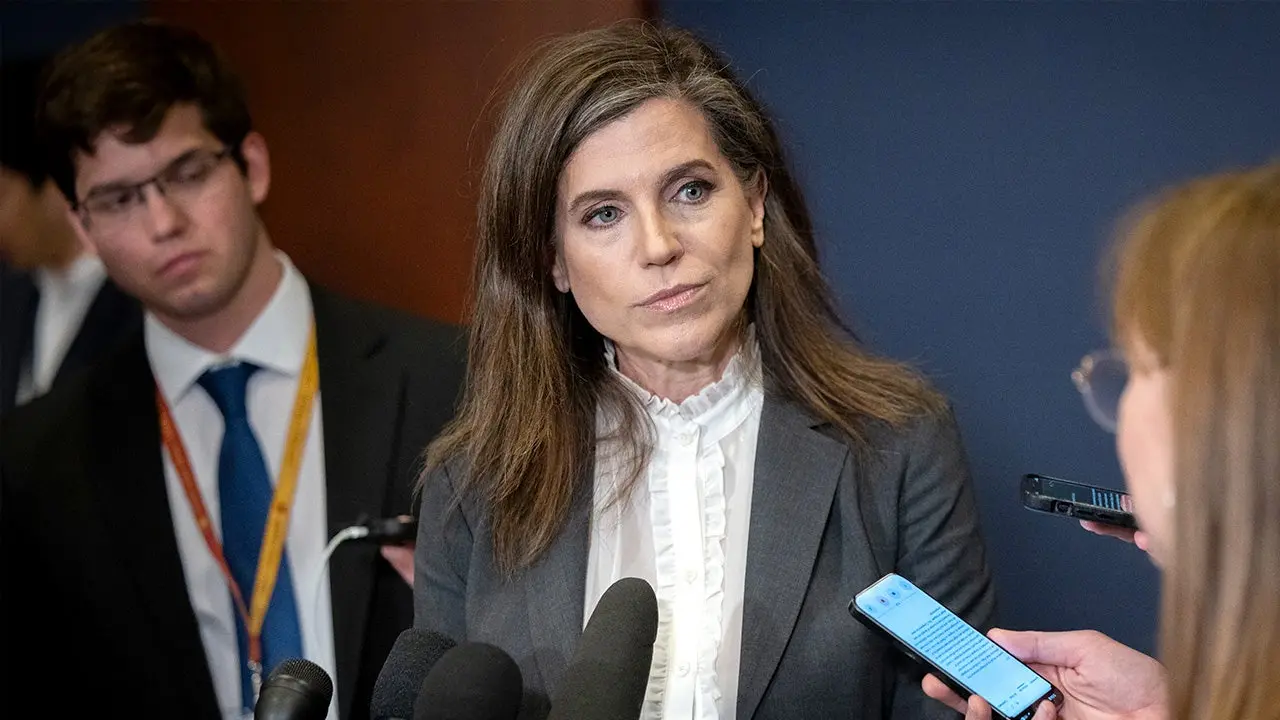
Standing directly at the epicenter of this swirling political tempest is Representative Nancy Mace, a lawmaker who has built her national reputation on a refusal to shy away from conflict or conform to the expectations of party leadership. In a dramatic move that has sent shockwaves through the conservative establishment, Mace has publicly broken ranks with former President Donald Trump to throw her considerable political weight, network, and endorsement behind her congressional colleague and former rival, Representative Ralph Norman. Explaining her decisive choice to bypass her own highly anticipated potential candidacy in favor of Norman, Mace framed the upcoming special election not as a routine political transition, but as a “once-in-a-generation opportunity” to send a tried-and-true, completely uncompromising conservative warrior to the halls of the United States Senate. Her endorsement of Norman is both deeply passionate and strategically calculated, describing him to voters as an unwavering champion who refuses to bend, break, or back down in the face of federal overreach, swamp politics, and reckless government spending. By actively choosing to back Norman over Donald Trump’s handpicked candidate, Mace is signaling a profound, fascinating shift in how independent-minded Republicans are starting to navigate the formidable shadow of Mar-a-Lago, demonstrating that local coalition-building and ideological alignment can sometimes supersede the explicit directives of the party’s national figurehead. Her high-profile endorsement elevates Norman’s campaign from a rebellious, localized insurgency into a formidable, institutionally backed movement, transforming a state-level special election into a high-stakes litmus test for the actual limits of Trump’s endorsement power in a deeply red state.
For Ralph Norman, the path to this pivotal moment reveals the delicate, often grueling tightrope walk required of ambitious conservative lawmakers operating in the modern era of Republican populism. Understanding the immense, gravity-defining weight of the Trump brand among South Carolina’s primary voters, Norman initially took the respectful step of seeking the former president’s formal blessing before officially declaring his candidacy, only to watch that coveted endorsement bypass him and go directly to the incumbent placeholder, Darline Graham. Rather than quietly retreating from the field or deferring to the former president’s wishes, Norman pocketed the rejection and forged aggressively ahead, swiftly assembling a powerful alternative coalition of national conservative heavyweights, including Florida Senator Rick Scott and Utah Senator Mike Lee. This congressional backing is anchored in an unyielding, high-stakes ideological commitment to key conservative policy battles, most notably the championing and passage of the SAVE America Act—a legislative push centered on strict election integrity measures and federal spending restraints that serves as an essential rallying cry for the party’s populist and grassroots base. Norman’s campaign is carefully calibrated to assure skeptical voters that while he may lack the official physical seal of approval from Mar-a-Lago, he remains an absolute champion of the “America First” agenda who will fight side-by-side with Trump once he arrives in the Senate chamber. By positioning himself as a “proven conservative fighter” with an unblemished, 100% conservative voting record, Norman is appealing directly to the grassroots voters who prioritize pure ideological consistency over national establishment-directed loyalty, presenting himself as a seasoned candidate who does not need permission to lead.
Yet, the powerful legacy of the Graham name and the deep operational framework of the traditional Republican establishment are not forces that can be easily bypassed, and Darline Graham is entering the arena with the full, roaring wind of Donald Trump’s endorsement at her back. Initially widely viewed by the public and media as a quiet, temporary caretaker of her brother’s empty seat, Darline has dramatically shed her placeholder status to launch a vigorous, full-scale campaign for a complete, six-year Senate term, energized by Trump’s direct, public command to “run, Darline, run” following a highly publicized meeting at the White House. This powerful presidential endorsement has acted as a green light for key establishment figures in Washington, such as Senate Majority Whip John Barrasso, who quickly and publicly pledged his full support to her candidacy, praising her capability and promising that she will continue to serve as an excellent, stabilizing senator for the people of South Carolina. However, this national party reaction is far from monolithic or unified; Senate Majority Leader John Thune has noticeably chosen to remain neutral for the time being, acknowledging Graham’s strength as a candidate and her right to compete, while quietly leaving the door open for the state’s voters to make their own independent decision. This clear split between hard-charging Trump loyalists, establishment pragmatists, and neutral institutional observers highlights the complex, multi-layered drama of the race, where Darline Graham must continuously prove to a skeptical electorate that she is more than just a famous family surname and a political placeholder, but a formidable leader capable of commanding the national stage in her own right.
As if the primary contest were not already sufficiently complicated, the strategic entry of Representative Russell Fry has injected a highly volatile dose of constitutional strategy, party mathematics, and personal rancor into the campaign landscape. Fry, a rising star in South Carolina’s congressional delegation, is taking advantage of an unusual, highly debated loophole in state election law that allows him to appear on the ballot simultaneously for both his current House seat—where he is currently running unopposed in his primary election—and the vacant Senate seat. This controversial dual-candidacy strategy has drawn immediate, scathing fire from both Nancy Mace and Ralph Norman, who view the move as a reckless, self-serving gamble that actively jeopardizes the collective stability of the entire Republican Party on a national level. They argue that if Fry were to successfully win both races, it would trigger yet another highly unpredictable, expensive special election to fill his vacated House seat, potentially shrinking the Republicans’ already razor-thin congressional majority and handing immense legislative leverage to House Minority Leader Hakeem Jeffries and the Democrats. Mace has been particularly relentless and vocal in her criticism, taking to social media to passionately declare that she would “never hand Hakeem Jeffries that gift,” framing Fry’s multi-office pursuit not as a sincere service to his constituents, but as a naked, power-hungry grasp for personal advancement. This line of attack is especially potent because neither Mace nor Norman faces this particular conflict of interest, having both run and lost in the state’s gubernatorial primary last month, leaving them free of current House re-election entanglements and allowing them to posture as selfless public servants who are focusing their energies entirely on the structural integrity of their party.
Ultimately, this snap election in South Carolina has transcended the boundaries of a simple legislative vacancy fill, morphing into a vivid, deeply human drama about power, loyalty, legacy, and the true definition of conservative leadership in a fractured era. South Carolina’s Republican voters find themselves standing at a critical, historic crossroads, forced to navigate a dizzying array of political choices and competing philosophies: a mourning sister carrying the mantle of her late brother’s legacy with the full backing of Donald Trump, a defiant ideological purist boasting the support of congressional rebels, and an ambitious young congressman willing to test the limits of election law to climb the political ladder. The outcome of this August election will do far more than just determine which individual sits in the United States Senate; it will serve as a powerful national bellwether, signaling whether the modern Republican electorate prioritizes absolute, unquestioning loyalty to Donald Trump’s endorsements or aligns more closely with the unyielding, anti-establishment brand of conservatism championed by the likes of Nancy Mace and Ralph Norman. In the quiet living rooms, local diners, and bustling town halls of the Palmetto State, ordinary citizens are watching this high-stakes political chess match unfold with intense focus, fully aware that their votes will echo far beyond their state lines, directly shaping the balance of power in Washington and redefining the very future of the conservative movement for years to come.