





Paragraph 1: The Quiet Shift at the Checkout Counter
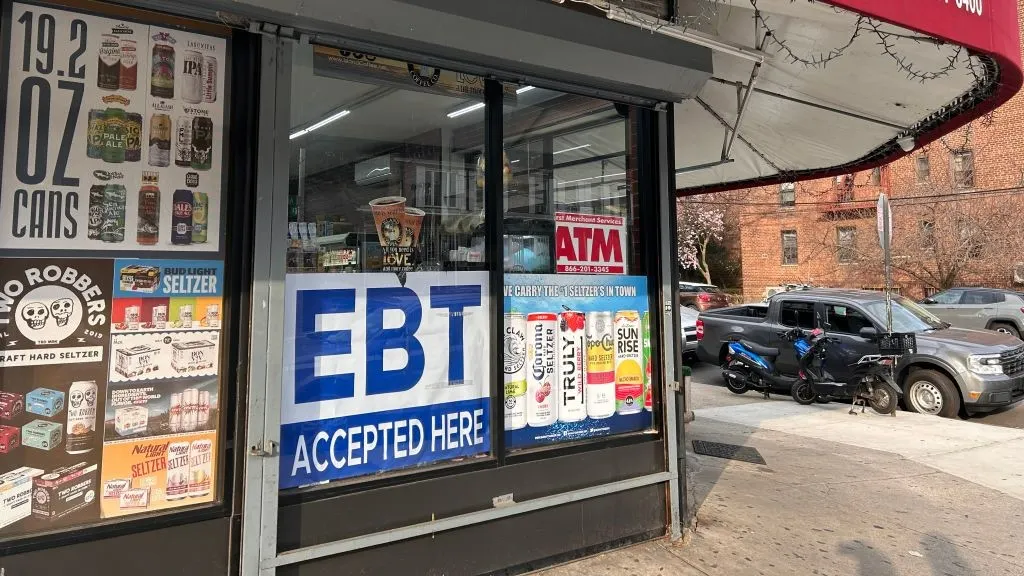
Imagine for a moment the quiet, almost mechanical routine of swiping a card at a grocery store. For millions of Americans relying on government assistance, that plastic card—the Electronic Benefits Transfer (EBT) card—is a lifeline, a thin barrier between stability and chaos. It buys milk, bread, diapers, and gas to get to a minimum-wage job. But in the state of Florida, that simple transaction is about to feel very different, carrying with it the weight of a new, unprecedented moral code. Florida has officially become the first state in the nation to impose sweeping, item-level restrictions on how welfare cash benefits can be spent, effectively ending the era of using taxpayer dollars for what state leaders call frivolous, luxury, or non-essential purchases. This isn’t just a bureaucratic tweak; it is a philosophical declaration that reshapes the relationship between the government and the people it helps. The change applies specifically to the Temporary Cash Assistance (TCA) program, funded through the federal Temporary Assistance for Needy Families (TANF) block grant. While distinct from the Supplemental Nutrition Assistance Program (SNAP, formerly food stamps), many families carry both benefits on a single EBT card, creating a tangled web of purchasing rules that will now expand significantly. Gone are the days when a struggling parent could theoretically debit their cash balance for a ticket to a theme park or a pack of vapes at a convenience store. As of this new plan, approved by the federal Department of Health and Human Services’ Administration for Children and Families (ACF) last Thursday, the state is drawing a bright, hard line in the sand, signaling that while help is available, the latitude for personal choice has shrunk dramatically in the name of fiscal accountability and public trust.
Paragraph 2: The New Rules of the Game
To understand the scope of this shift, one must look at the granular list of what is now explicitly off-limits. The updated TANF plan, announced by Governor Ron DeSantis and lauded by federal officials, goes far beyond the traditional prohibitions that Florida already had in place—like blocking alcohol purchases or transactions at adult entertainment venues, casinos, and commercial bingo halls. This new layer targets the items themselves, regardless of where they are sold. Under the new guidelines, TCA funds can no longer be used for tattoos, body piercings, or related services. They cannot be used for entertainment products or services, which encompasses everything from blockbuster movie tickets and video game downloads to the exorbitant admission fees charged by Florida’s world-famous theme parks—a pointed move in a state built on tourism. The list of intoxicants has been expanded to include not just alcohol but vaping products, e-cigarettes, and other nicotine delivery systems. Perhaps the most eyebrow-raising inclusions are pornography products and the outright prohibition on “psychic and fortune-telling services,” which the governor’s press release cited specifically. Underneath this list lies a simple but radical logic: if it isn’t a “basic need”—food, clothing, housing, utilities, or personal-care items—it doesn’t belong on the public dime. Florida is also extending the logic of its prior “Healthy SNAP” initiative, which already banned soda, candy, and ultra-processed desserts from food benefits, to now apply these same food restrictions to the cash balance on the card. This means a family cannot use their cash assistance to buy a sugary energy drink at a corner store, just as they couldn’t use their food stamps. The result is a welfare system that effectively regenerates the government’s role from a blank-check provider to an actively discerning guardian of dietary and lifestyle choices.
Paragraph 3: The Voice of Authority and the Defense of the Policy
In defending this aggressive move, Governor DeSantis framed it not as a punishment, but as a restoration of fundamental trust. “Taxpayer-funded assistance should help families put food on the table, keep the lights on, purchase clothing, provide for their children and overcome barriers on the path toward independence,” he said in a statement announcing the policy. “We will continue supporting Floridians who genuinely need assistance, while working to improve accountability and transparency so that these programs operate as intended.” The federal government, under the Trump administration, has been quick to echo this sentiment. Alex J. Adams, the Assistant Secretary for the Administration for Children and Families, provided a starkly human rationale for the restrictions, emphasizing the temporary nature of the program. “When people come to us for those basic needs, we will give them short-term assistance for those needs, but not for superfluous purchases,” Adams told Fox News Digital. He was careful to stress that this policy does not reduce anyone’s benefit amount—the average participating household in Florida still receives roughly $250 per month. Instead, Adams argued, the policy simply re-aligns the program’s intent with its purpose. “No one loses any of their benefit,” he clarified, framing the new rules as a safeguard against the erosion of public support. “What this is saying is, if an individual or a family is going to come to the government to cover their basic needs, it is the government’s expectation that they be used for those basic needs.” This rhetoric deliberately paints the restrictions as a protective measure for the social safety net itself, suggesting that by cutting off perceived abuses, they are preserving the program for those who genuinely need short-term help, rather than allowing it to become an unrestricted income supplement.
Paragraph 4: The Mechanics of Enforcement and a Nationwide Ripple
The implementation of these rules will not happen overnight; it is a logistical puzzle that requires cooperation between state agencies, the EBT vendor, and thousands of participating retailers. Florida will phase in the restrictions as it works with merchants to code and block prohibited purchases at the point of sale. This is a complex technical feat, requiring cashiers and payment systems to distinguish between a permissible item like a basic t-shirt and a prohibited luxury item purchased from the same department store. Furthermore, the plan tightens the screws on how cash can be accessed at all. Recipients will now be allowed to withdraw their TCA cash only at SNAP-authorized retailers and specific financial institutions that accept EBT cards, effectively eliminating the ability to pull out cash from random ATMs and spend it anonymously on any of the banned items. This administrative tightening is a direct response to the perception that cash assistance has often been used as a fungible resource, easily abused. The federal government is keenly aware that Florida is breaking new ground. Adams confirmed that ACF plans to highlight Florida’s approach as “a best practice” for other states to emulate, pointing out that a staggering 27 states currently lack even the basic merchant-based EBT location restrictions required by federal law, and most do not impose any item-level purchase limits on TANF cash. The message is clear: Florida is the laboratory, and the results will be closely watched by a Trump administration that has made welfare fraud and accountability a centerpiece of its domestic policy agenda, following up on broader USDA efforts to crack down on loopholes that allow asset-rich individuals to receive benefits.
Paragraph 5: The Human Tension Between Compassion and Control
Yet, beneath the clear legal language and the pragmatic justifications, there lies a deeply human and complicated tension. Critics of such policies argue that treating the poor with suspicion, by micromanaging their purchases down to the last candy bar or ticket stub, is paternalistic and stigmatizing. They point to the reality that a single mother might view a day at a theme park not as a “luxury” but as a critical mental health respite from years of grinding poverty, or that a struggling worker might use a vape as a cheaper substitute for cigarettes. By dictating the precise parameters of what constitutes a “basic need,” the state inherently makes a moral judgment about the lives of the financially vulnerable—a judgment that many argue is not applied to the wealthy who receive tax breaks or agricultural subsidies. Proponents, however, counter that this is precisely the point. Public benefits, they argue, have a limited mandate, and a recent Fox News Poll indicates that a vast majority of voters believe welfare fraud is common, even if they still favor protecting benefits for those who genuinely need them. This creates a bitter double bind for the recipients themselves: they are simultaneously told they are victims of a system that enables their laziness, and that they are to be trusted with no latitude at all. For every person who might genuinely abuse the system to get a tattoo, there are dozens more who simply want to buy a birthday card for a child. The new rules, while popular with fiscal conservatives, risk treating the entire recipient population as potential cheaters, fostering a clinical, transactional relationship with the state that is a far cry from the compassionate safety net that original welfare programs envisioned.
Paragraph 6: A Cultural Reset and the Future of Welfare
As Florida embarks on this unprecedented experiment, the implications reach far beyond the clunky mechanics of a point-of-sale system. This represents a fundamental cultural reset in how America views welfare—a shift from a measure of last resort that provides dignity through choice, to a tightly controlled support mechanism that incentivizes very specific, accepted behaviors. By framing the restrictions as a defense against “superfluous” purchases, the state is increasingly using the welfare system as a vehicle for social engineering, promoting not just nutrition (as with the soda ban) but a strict, no-nonsense lifestyle free of vice or entertainment indulgences. The question that looms over this policy is whether restricting the small, often necessary comforts of life will genuinely help families achieve independence, or whether it will merely deepen their sense of alienation and powerlessness. The $250 average monthly benefit is already a pittance compared to the soaring cost of living in Florida; whether recipients spend it on rent or accidentally on a lottery ticket, the fundamental problem of poverty—the lack of income—remains untouched by this rule. By focusing on the “what” of the spending rather than the “why” of the poverty, Florida has crafted a policy that plays well in the headlines but leaves the structural roots of need unaddressed. Yet, for the Trump administration, the allure is potent. If Florida proves successful—if the blocked transactions lead to less perceived waste and no significant increase in homelessness or hunger—it could become the template for a nationwide overhaul of TANF. Adams’s comment, “While Florida is the first state, hopefully it’s not the last state,” hangs in the air like a promise and a warning. In the immediate future, a Florida resident will swipe their card for a gallon of milk and a loaf of bread, and the system will approve it. But if they reach for a pack of nicotine gum or a discounted souvenir keychain, the machine will decline—a tiny, mechanical judgment that encapsulates the new, harsher, and more vigilant era of American social welfare. The true test of this bold move will be measured not in the number of tattoos prevented, but in the long-term trajectory of the families it claims to help.