





# U.S. Treasury Sanctions Three Groups Linked to Palestinian Militancy
The U.S. Treasury Department has taken decisive action against three organizations it says are connected to far-left extremism and support for Palestinian militant groups. The sanctions, announced as part of the Trump administration’s broader crackdown on politically motivated violence, target groups operating across Europe and the Middle East. Treasury Secretary Scott Bessent made the administration’s position clear, stating that those who support such extremism should expect consequences. The move represents another chapter in the ongoing U.S. effort to disrupt financial networks that allegedly fund organizations deemed threatening to American interests and allies.
## The Three Sanctioned Organizations and Their Alleged Activities
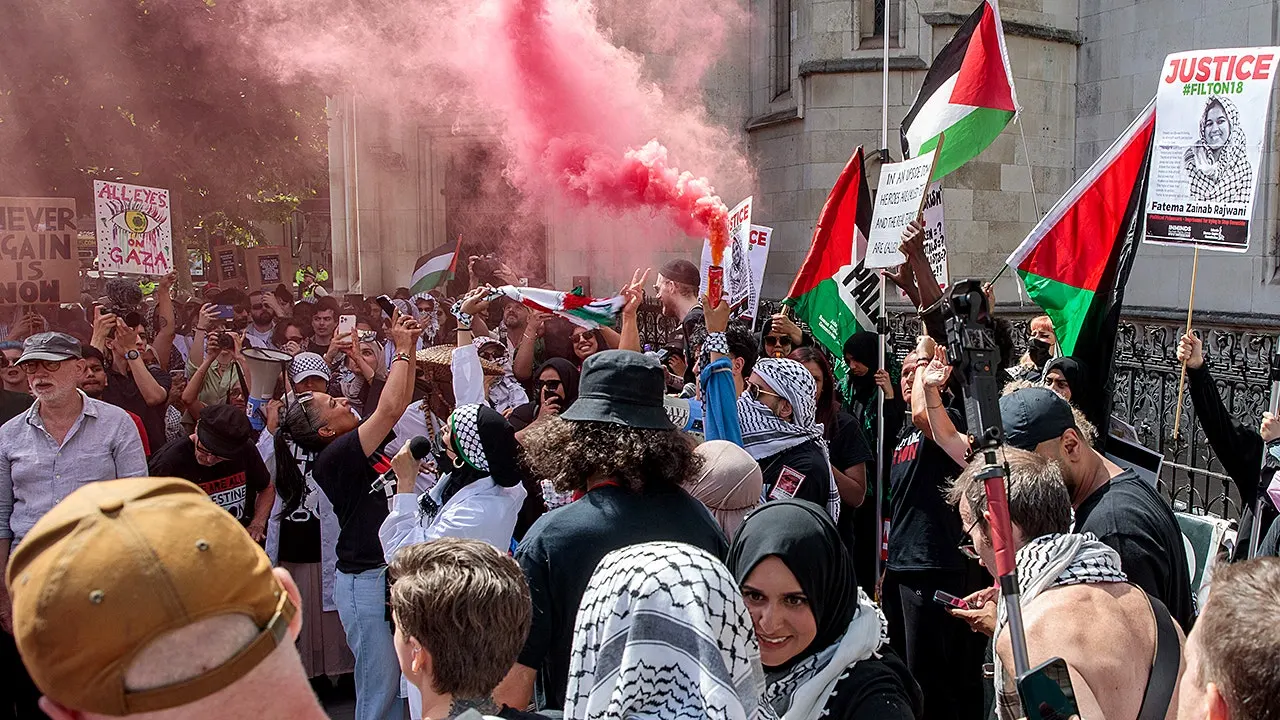
The first organization, Autistici Inventati, is an Italy-based nonprofit that U.S. officials claim provided digital infrastructure services to extremist groups. According to the Treasury Department, this included website hosting on foreign servers, encrypted email accounts, and other digital tools that enabled violent organizations to operate and communicate. The second group, Palestine Action, is a U.K.-based organization known for aggressive protests against defense companies. British officials say the group caused over $1.3 million in damages to facilities belonging to Elbit Systems, an Israeli defense contractor, through break-ins and equipment destruction. The third organization, Masar Badil, operates as a Spanish-based coalition that U.S. officials describe as a front for the Samidoun Palestinian Prisoner Solidarity Network, which was already sanctioned by Washington last year.
## The Alleged Connection to the Popular Front for the Liberation of Palestine
At the center of these sanctions is the alleged financial and operational connection to the Popular Front for the Liberation of Palestine, a U.S.-designated foreign terrorist organization. The PFLP has a long history of militant activity, including numerous airline hijackings in the 1960s and 1970s that resulted in the deaths of more than 20 Americans. The Treasury Department maintains that the sanctioned groups have been funneling money and providing resources to support the PFLP’s activities. Bradley Smith, who served as the acting under secretary for terrorism and financial intelligence when the initial sanctions were announced, characterized these organizations as disguising their true purpose behind humanitarian rhetoric while actually diverting funds to support terrorist operations.
## Human Stories Behind the Sanctions
Beyond the official government actions, there are personal stories that illustrate the human dimension of this geopolitical conflict. Huda Ammori, a co-founder of Palestine Action, responded defiantly to the sanctions against her organization. Speaking as someone with both Palestinian and Iraqi heritage, she expressed outrage that a country she views as having contributed to the destruction of her ancestral homelands would label her activism as terrorism. Similarly, Charlotte Kates, who coordinates international work for Samidoun, took to social media to defend the sanctioned groups and criticize what she characterized as an attempt to criminalize legitimate political expression supporting Palestinian rights.
## Expert Analysis and Broader Context
Lara Burns, a former FBI special agent who now leads terrorism research at George Washington University’s Program on Extremism, offered insight into why these sanctions matter beyond their immediate financial impact. Burns explained that these organizations are part of a broader ecosystem that seeks to legitimize violence as acceptable resistance. She expressed concern that the more these messages spread and gain acceptance, the more normalized political violence becomes. Burns emphasized that groups can use charitable fronts to mask violent intentions, which is precisely why government action targeting their funding streams is so important. The sanctions represent an attempt to disrupt not just financial networks but also the narrative that violence is an acceptable tool for political change.
## The Defiant Response and Ongoing Tensions
The sanctioned groups have made clear they will not be silenced by these measures. Khaled Barakat, a member of Masar Badil’s executive committee, dismissed the sanctions as part of a broader American campaign against Palestinian activism. He accused both the Trump administration and Israeli leadership of trying to suppress legitimate political expression through financial warfare. Barakat’s defiant words reflect a deeper tension that extends beyond any single administration or policy decision. The sanctions highlight the ongoing challenge of distinguishing between legitimate political advocacy and support for organizations that employ violence. As these groups pledge to continue their work despite financial restrictions, the effectiveness of sanctions as a tool for changing behavior remains an open question that will likely be tested in the months ahead.