






What began as a routine desire for a quick, familiar meal at Taco Bell has transformed into a sprawling, multiregional public health crisis, leaving thousands of everyday Americans grappling with severe, agonizing illness. Across the United States, lives have been abruptly and painfully upended by a microscopic invader, as the Centers for Disease Control and Prevention (CDC) monitors a rapidly expanding outbreak of Cyclospora infections linked directly to contaminated iceberg lettuce. To date, health officials have officially identified at least 1,947 laboratory-confirmed cases across nine major states, a staggering number that has already resulted in at least 98 demanding, high-stress hospitalizations. While no deaths have been reported so far, the sheer severity of this parasitic outbreak has shattered public confidence in modern food supply systems, altering the daily lives of families who trusted that the food they purchased for their loved ones was safe. The onset of these illnesses began on June 22 and has continued to climb steadily through the heat of summer, catching unsuspecting diners off guard in the midst of their busy lives. From hurried parents grabbing a quick dinner on the go to college students seeking a late-night bite after work, the victim profile spans a highly diverse array of ordinary individuals who now share a painful, exhausting, and physically draining commonality. This massive outbreak has thrust fast-food giant Taco Bell and major agriculture producer Taylor Farms into the unsettling glare of federal scrutiny, exposing the delicate, easily disrupted vulnerabilities of our massive globalized food supply chain. As investigators work tirelessly to trace the path of the contamination, the human toll continues to mount, highlighting the fragile line between convenience and catastrophe when systemic hygiene failures occur at the agricultural source. The emotional distress and sudden loss of normalcy for these families emphasize that food safety is not just a regulatory checklist, but a matter of human survival.
As the agonizing physical symptoms of the outbreak settled in, a deep sense of betrayal and anger quickly turned into a swift, sweeping wave of legal action, as suffering consumers took to the courts to demand corporate accountability. The legal battlefront opened in Ohio on July 16, when plaintiff Mohammed R. Ayyad filed the first known lawsuit against a local Taco Bell franchise, setting off a chain reaction of litigation from other infected individuals who refused to let their suffering go unnoticed. Only twenty-four hours later, Michigan residents Preston and Marie Parrish launched their own legal complaint against the fast-food chain, while Ohio resident Valerie Caruso escalated the fight by naming both Taco Bell and agricultural giant Taylor Farms in a comprehensive personal injury suit. This legal momentum surged forward as July progressed; by July 22, Karl and Gina Hercula filed their case in Michigan, followed the next day by a multi-plaintiff lawsuit in the same state, alongside a coast-to-coast complaint lodged by Lawrence Null and Danielle Long in California. These lawsuits paint a vivid, disturbing picture of corporate negligence, asserting that both the restaurant chain and its primary produce supplier failed in their fundamental, legally binding duty to ensure that the food served to paying customers was free from hazardous pathogens. For these plaintiffs, the legal fight is not merely an abstract pursuit of monetary damages, but a deeply personal quest for justice to address lost wages, astronomical medical bills, the disruption of their careers, and the sheer trauma of enduring weeks of debilitating physical agony caused by a completely preventable error in agricultural oversight. By demanding transparency, these legal actions seek to force a structural shift in how these massive corporations monitor the safety of the fresh ingredients they serve to the public daily.
To truly understand the visceral impact of this outbreak, one must examine the hostile, highly invasive nature of the microscopic culprit itself: Cyclospora cayetanensis. This single-celled, opportunistic protozoan specializes in colonizing the human small intestine, bringing about a merciless and exhausting gastrointestinal disease known as cyclosporiasis. Unlike common bacterial food poisoning that typically runs its course in a day or two, a Cyclospora infection is notoriously protracted, often beginning stealthily anywhere from two to fourteen days after a person unknowingly consumes food or water contaminated with microscopic traces of infected fecal matter. Once inside the digestive tract, the parasite unleashes a torrent of grueling symptoms, characterized by relentless, watery diarrhea, explosive stomach cramps, severe bloating, persistent nausea, and a deep, bone-weary fatigue that leaves victims completely incapacitated. Furthermore, patients frequently suffer from a complete loss of appetite, rapid and dangerous weight loss, increased flatulence, severe vomiting, and low-grade fevers that refuse to break. Because the parasite must spend time maturing in the external environment before it becomes infectious, it cannot be passed directly from person to person, meaning every single victim was directly poisoned by the agricultural product itself—specifically, raw, contaminated iceberg lettuce. Without prompt, targeted, and specific antibiotic treatment, the symptoms of cyclosporiasis can ebb and flow in a deceptive, cyclical pattern, torturing individuals for weeks or even months on end and leaving them physically depleted, highlighting the profound physiological trauma experienced by those caught in the crossfire of this agricultural failure. This long period of illness often leads to diagnostic confusion, as doctors mistake the parasite for standard stomach flu, leaving infected individuals to suffer in isolation while their bodies deteriorate.
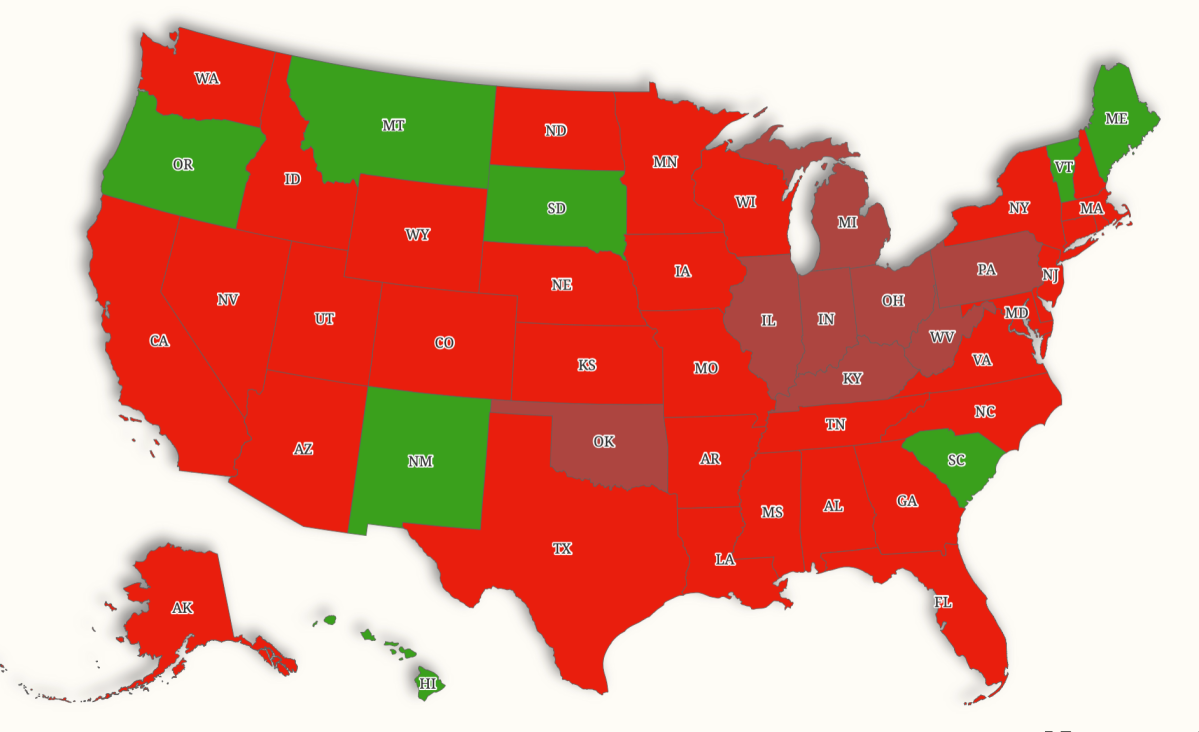
At the epicenter of the scientific hunt to contain this spreading menace, federal epidemiologists and public health investigators from the CDC and the Food and Drug Administration (FDA) are working under immense pressure to map out the exact pathways of the contamination. Public health officials are conducting exhaustive, deeply detailed interviews with infected patients, meticulously reconstructing every single meal they consumed in the crucial two-week window before their symptoms began to manifest. The investigative trail has consistently pointed toward raw iceberg lettuce sourced from the fertile agricultural fields of central Mexico and distributed globally by Taylor Farms, a major industry supplier that serves millions of consumers daily. The geographic footprints of the outbreak currently blanket nine primary states: Illinois, Indiana, Kansas, Kentucky, Michigan, Ohio, Oklahoma, Pennsylvania, and West Virginia, though federal officials strongly warn that the official numbers represent only the tip of a much larger epidemiological iceberg. Because confirming a Cyclospora infection can take up to six weeks due to complex laboratory testing protocols and the fact that many sick individuals choose to suffer at home without seeking medical attention, the true scope of this crisis is likely vastly underreported. This specific localized crisis is taking place against the backdrop of an even larger, highly concerning nationwide surge, with the CDC recording a staggering 4,173 laboratory-confirmed cases and reviewing over 7,400 suspected cases across 41 states since May 1, illustrating that the battle against foodborne parasites is an ongoing, massive, and structural public health challenge. The extensive timeline of these cases, with illness onset dates continuing through July 20, 2026, highlights the persistence of the threat and the critical need for rapid, multi-state cooperation.
Confronted with the escalating public relations disaster and the terrifying implications of the CDC’s initial findings, Taylor Farms immediately pivoted into high-stakes damage control, seeking to defend its prestigious brand while taking steps to isolate the contamination source. The agricultural giant, which prides itself on safety, announced a voluntary recall on July 17 of its iceberg lettuce harvested from central Mexico and took the drastic step of completely suspending all sourcing and production operations within that region. In public statements, company representatives emphasized their passionate commitment to helping consumers live healthier lives and asserted that they maintain industry-leading preventative measures, including investing more than $200 million annually into independently verified and audited food safety protocols. Despite these costly safeguards, the company found itself in the uncomfortable position of defending its practices while simultaneously commissioning an elite team of independent, third-party experts to conduct an exhaustive, top-to-bottom procedural audit of its central Mexico facility. In its defense, Taylor Farms pointed out that, according to official FDA communications as of late July, none of the product samples collected from their inventories had tested positive for the Cyclospora parasite itself. However, the voluntary total suspension of operations from the Mexican facilities underscores a raw corporate acknowledgement that protecting the global brand took precedent over maintaining questionable supply routes, leaving consumers to wonder how such robust safety budgets failed to prevent such widespread suffering. This corporate defensive maneuver, while necessary for business survival, does little to soothe the immediate physical and financial anxieties of the thousands of sick citizens seeking answers.
For Taco Bell, an iconic brand built on providing affordable, fast, and satisfying meals to millions of families daily, the association with a major parasitic outbreak has forced a rapid, highly public restructuring of their ingredient supply chain to protect their customer base. The fast-food chain acted swiftly to completely purge all Taylor Farms lettuce products from its entire domestic supply pipeline, releasing public statements highlighting their belief that modern food safety is a shared, non-negotiable obligation between restaurants, suppliers, and regulatory agencies. Company executives defended their quick intervention as a proactive and necessary shield to ensure that their customers could continue to enjoy their favorite items without fear of contracting a debilitating gastrointestinal illness. This high-profile incident serves as a stark, sobering reminder of how interconnected and fragile our modern food systems truly are, where a single contamination event on a farm thousands of miles away can trigger a multi-state public health emergency and prompt a cascade of high-stakes lawsuits. As the legal battles proceed and federal investigators continue to search for the root cause of the contamination, the outbreak forces a critical re-evaluation of how produce is grown, washed, packaged, and distributed across international borders. Ultimately, the true measure of resolving this crisis will not be found in corporate press releases or defensive legal filings, but in the implementation of fail-safe oversight mechanisms that guarantee that the simple act of dining out never again endangers the health and livelihoods of everyday citizens. Only when the culinary and agricultural industries prioritize human lives over profit margins can public trust be fully restored.