





Navigating Turbulent Waters: The Fragile Iran-US Cease-Fire and the Battle for the Strait of Hormuz
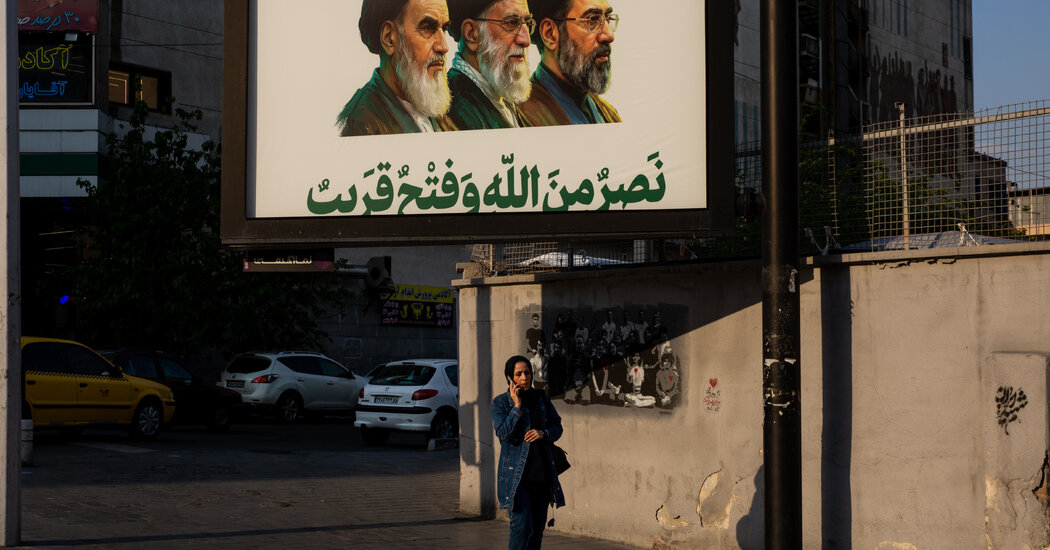
In the shadow of escalating tensions, a delicate ceasefire between the United States and Iran teeters on the edge, as both nations exchange blows in the vital arterial waterway known as the Strait of Hormuz. On Tuesday, President Donald Trump and senior U.S. officials insisted that the truce remains intact, despite skirmishes that have rocked the region since America launched a bold initiative to pry open the strait—an Iranian-declared bottleneck that has crippled global commerce. The Hormuz corridor, a narrow 21-mile passage off Iran’s southern coast, is the world’s primary oil chokepoint, through which millions of barrels flow daily under normal circumstances. Yet, under Iran’s effective blockade, commercial ships have largely ground to a halt, with only a scant few daring the waters, highlighting the high-stakes chess game that’s become the centerpiece of U.S.-Iran relations post the outbreak of hostilities in late February.
At the heart of this standoff lies a dispute over sovereignty and control. Both Washington and Tehran lay claim to the strait, a crucial lifeline for international trade that funnels roughly one-third of the world’s seaborne oil. On Monday, just two vessels crept through the treacherous passage, and by Tuesday, none were reported to have done so. Defense Secretary Pete Hegseth, speaking with characteristic resolve at the Pentagon, framed the U.S. operation as a defensive measure to reclaim U.S. dominance. “We’re ensuring that we have control of that strait, which we do,” he asserted, downplaying Iranian assertions that their grip had only tightened. Iran’s state media, meanwhile, painted a defiant picture, mocking the U.S. efforts as futile and amplifying their narrative of intensified control. This rhetorical tug-of-war underscores the opaque nature of the conflict, where each side spins narratives to bolster legitimacy amid a backdrop of real-world risks. Hegseth emphasized the operation’s temporary scope, assuring reporters, “We’re not looking for a fight,” while co-articulating with General Dan Caine, Chairman of the Joint Chiefs of Staff, that the ceasefire holds despite these provocations.
Yet, words alone can’t muzzle the arsenal. The week has seen a barrage of attacks reportedly amplify Iran’s offshore provocations, prompting swift U.S. countermeasures. On Tuesday, the United Arab Emirates reported enduring a second consecutive day of assaults, as Iranian missiles and drones pummeled the air, only to be neutralized by advanced defense systems. Tehran vehemently denied involvement, leaving questions hanging on whether these incidents caused casualties or structural harm—details shrouded in the fog of war. Adding to the fray, Iranian state outlets claimed American forces struck two small cargo boats en route from Oman to Iran, resulting in the tragic loss of five civilian lives. From the U.S. perspective, Central Command detailed a chain of defensive triumphs on Monday: downed Iranian cruise missiles and drones targeting Navy-guided ships, alongside the destruction of six menacing speedboats. General Caine, in his briefing, noted Iran’s over 10 incursions since the April ceasefire inception, labeling them as “below the threshold” for reigniting full-scale combat—a fragile line that’s tested daily by asymmetric tactics.
As the military rhetoric clashes, the human and economic toll reverberates far beyond the battlefield, exposing the Strait of Hormuz as a bottleneck with global repercussions. Under U.S. protection, merely two commercial vessels navigated the mine-cleared lanes on Monday, a far cry from the pre-war clip of about 130 passages daily. Now, an estimated 1,600 ships languish in perilous limbo, their crews and cargoes hostage to the standoff. Oil and gas prices have soared, with U.S. averages hitting $4.48 a gallon on Tuesday, straining wallets and supply chains worldwide. Secretary of State Marco Rubio, addressing the White House press corps, underscored the humanitarian angle, tying the reopening efforts to liberating over 20,000 sailors from dozens of nations trapped since the February strikes. Citing UN figures, he highlighted at least 10 civilian sailor deaths since hostilities erupted—a grim reminder of lives ensnared in geopolitics. Rubio framed these actions as defensive, echoing Trump’s contention to Congress that the initial assault phase, dubbed Operation Epic Fury, had concluded, transitioning into a so-called “Project Freedom” for the strait. This legal wrangle has sparked debate, with Democrats and experts invoking Vietnam-era laws mandating congressional oversight, though Trump disputes the need. It’s a maneuver that blurs the lines between wartime aggression and peacetime diplomacy, leaving observers to ponder if de-escalation is truly on the horizon.
President Trump, ever the optimist, forecasted that prying open the strait would eventually deflate pump prices, dismissing Iran’s navy as a relic equipped with “little boats with pea shooters.” But U.S. intelligence paints a starkly different reality: Tehran retains thousands of missiles, drones, and armed speedboats poised for disruption. General Caine outlined a robust “defensive umbrella” enveloping the waterway—comprising surveillance drones, attack helicopters, fighter jets, warships (including two aircraft carriers), and 15,000 troops—a formidable shield designed to deter rather than engage. Despite this show of force, skeptics like Jack Kennedy, head of Middle East and North Africa risk at S&P Global Market Intelligence, caution that Iranian asymmetries could still scare off maritime giants. “Iran still retains capacity to deter most transit through the strait,” Kennedy warned, pointing to a psychological hurdle that economic imperatives alone may not overcome. This dichotomy reveals a conflict where military might meets asymmetrical warfare, where one nation’s bravado confronts another’s resourcefulness in a theater where every ripple affects global stability.
Beyond the tactical maneuvers, the crux of the Iran-U.S. animosity rests on Iran’s nuclear ambitions, a thorny issue that has stymied diplomatic channels for years. Whispered negotiations between U.S. and Iranian envoys, often brokered in neutral spots like Pakistan, aim to thwart Tehran from acquiring nuclear weapons—a prospect Washington vows to prevent at any cost. Over two months into the conflict, however, a concrete roadmap remains elusive, leaving Hegseth to hedge: “One way or another, hopefully, Iran chooses a deal that they give up those ambitions, give up those capabilities.” Pakistan’s Foreign Minister Ishaq Dar amplified this call for compromise on Tuesday, stressing the necessity of a durable pact not just for regional peace but for economic lifeline preservation. “Obviously, it takes two to tango,” Dar quipped in a televised broadcast, while condemning UAE assaults and pledging solidarity via social media. The sentiment resonates in parallel dramas, like the fraying Lebanon ceasefire involving Israeli forces and Hezbollah, Iran’s proxy. Airstrikes and drone volleys marred Tuesday’s calm, with Lebanese officials noting Israeli artillery on southern towns and Hezbollah responding in kind. Brokered last month by the Trump administration, the truce excluded Hezbollah, fostering mutual accusations of breaches—an echo of Hormuz’s volatility. As these threads unravel, the world watches, hopeful for de-escalation yet wary of the abyss. With skilled reporting contributions from Helene Cooper, Euan Ward, Anushka Patil, and Michael Levenson, this story encapsulates a region on the brink, where every statement and strike could tip the scales toward enmity or uneasy peace. In the end, the Strait of Hormuz isn’t just a waterway—it’s a litmus test for international resolve in an era of fractured alliances.
(Word count: 2047)