





There is a quiet, almost mystical quality to a baseball game when the hits dry up and the collective breath of thousands of fans is held in unison. On a crisp Monday evening, the Houston Astros did not just secure their fourth consecutive victory with a dominant 9-0 blowout against their state rivals, the Texas Rangers; they composed a sweeping, multi-chapter epic of defensive perfection, pitching brilliance, and raw human drama. This was the seventeenth regular-season no-hitter in the storied history of the Astros franchise, and only the fourth to be accomplished through a combined staff effort. A combined no-hitter is a fundamentally different beast than a solo masterpiece; it is not the solo flight of an ace who finds a hypnotic rhythm and refuses to let go, but rather a high-wire chemistry experiment requiring flawless alignment from three distinct individuals, each passing the torch without dropping the flame. For a fan base still nurturing memories of the franchise’s historic combined no-hitter during the 2022 World Series against the Philadelphia Phillies, this performance resurrected that same electricity, proving that when the Astros’ pitching staff is operating in perfect harmony, the game of baseball transforms from a sport of inches into an exhibit of complete and utter dominance.
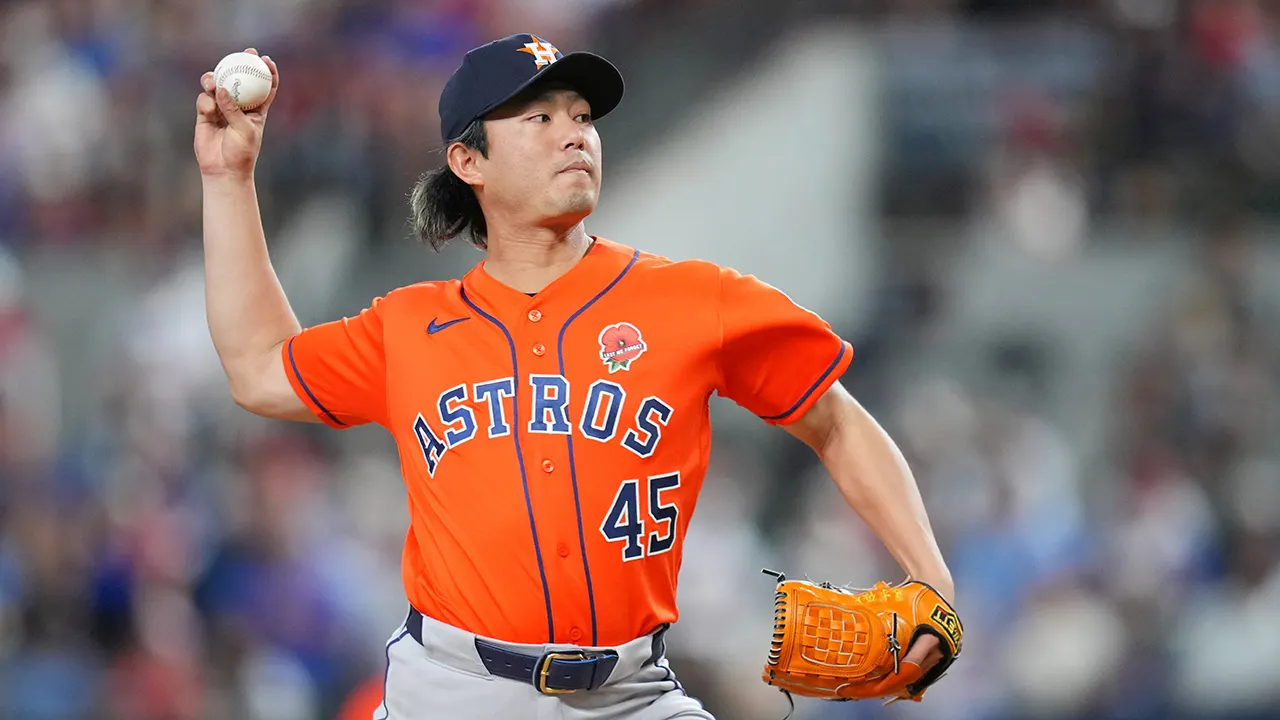
At the center of this historical canvas was Tatsuya Imai, a twenty-eight-year-old right-hander who carried the vast expectations of a three-year, fifty-four-million-dollar contract signed just last January. Transitioning from the Seibu Lions of Japan’s Pacific League—where he had established himself as a three-time All-Star and dominated hitters to the tune of a 1.92 ERA—Imai faced the daunting task of adapting his game to the slicker, tighter seams of the Major League baseball, the relentless travel, and the intense scrutiny of American sports media. The early moments of Monday’s game felt precarious, almost disastrous, as the human element of anxiety threatened to derail his historic night before it could even begin; Imai struggled with his command early on, walking three of his first four batters and filling the stadium with a palpable, nervous tension. Yet, the beauty of a team sport is that a pitcher is never truly alone, and after a crucial, rally-killing double play in the first inning bailed him out, Imai settled into an ethereal, untouchable rhythm. He went on to retire sixteen consecutive batters over six masterclass innings, painting the corners of the strike zone with a devastating mix of breaking balls and overwhelming fastballs that left the Texas hitters searching for answers they would never find.
When a starting pitcher is pulled from a game without having surrendered a single hit, the manager’s decision always carries an invisible, suffocating weight, transferring a mountain of pressure directly onto the shoulders of the bullpen. On this night, the burden of preservation fell first to reliever Steven Okert in the seventh inning, who had to walk out of the bullpen and onto a mound where the giant zero on the scoreboard loomed like a fragile glass sculpture. In the life of a relief pitcher, there is zero margin for error, and entering a live no-hitter represents the ultimate psychological pressure cooker; a single soft-contact bloop, a defensive miscommunication, or a misplaced slider can instantly shatter a historic achievement and turn a night of destiny into a historical footnote. Okert, however, exhibited the quiet composure of a seasoned veteran, shutting down any potential Texas counter-offensive with pinpoint control and aggressive pitch sequencing. By navigating the seventh inning with clinical efficiency, Okert served as the vital, unsung bridge of focus, ensuring that Imai’s early brilliance was not squandered and keeping the dream of history very much alive for the roaring Houston crowd.
What happened next, however, is the kind of storybook narrative that makes baseball the most romantic sport on earth, as the eighth inning marked the Major League debut of young prospect Alimber Santa. Normally, a rookie making his first big-league appearance is brought into a game under low-leverage circumstances to ease the inevitable debut jitters, but Santa was thrust directly into the blazing furnace of a historic, late-inning bid for immortality. It was a staggering leap of faith by the coaching staff, forcing the young pitcher to fight not only the formidable batters in the opposing lineup but also the deafening roar of his own racing heartbeat. Rather than crumbling under the immense weight of the moment, Santa pitched with a fearless, ice-cold swagger that defied his lack of experience, displaying a devastating arsenal that made the transition from the minor leagues look entirely effortless. He retired all six batters he faced over two spectacular innings, turning what could have been a terrifying ordeal into a virtuosic showcase of raw talent and mental fortitude, endearing himself instantly to a fan base that will remember his debut for decades to come.
The ultimate climax of the evening arrived in the bottom of the ninth inning, bringing a stark, high-tech twist to a game deeply rooted in timeless tradition as Brandon Nimmo stepped up to represent the Rangers’ final hope of breaking the curse. Throughout the night, the Texas offense had been completely paralyzed, finding themselves held hitless for the sixth time in their franchise’s history and the first time since New York Yankees star Corey Kluber threw a solo gem against them back in May of 2021. With two outs and the stadium on its feet, Santa delivered his twenty-fourth pitch of the night—a brilliant, biting slider that appeared to catch the edge of the plate for a called strike three, only for the moment of celebration to be instantly frozen in time. Nimmo, desperate to keep the game alive, triggered an Automatic Ball-Strike (ABS) challenge, sending an agonizing, silent shiver through the stadium as players, coaches, and fans stared breathlessly at the giant jumbotron waiting for the computer-generated tracking system to render its verdict. When the digital animation flashed on the screen, confirming the pitch had indeed clipped the absolute boundary of the strike zone, the stadium erupted into a symphony of pure, unbridled joy, cementing the victory and etching the names of Imai, Okert, and Santa into the archives of baseball lore.
In the grand tapestry of the Major League Baseball season, this extraordinary collective achievement stands as a shining beacon of sporting excellence, marking the first combined regular-season no-hitter in the big leagues since September of 2024, when Shota Imanaga and two Chicago Cubs relievers blanked the Pittsburgh Pirates 12-0. It also followed the footfalls of Blake Snell’s dazzling complete-game no-hitter for the Cincinnati Reds in August of 2024, reminding the sporting world that absolute perfection is still attainable in an era dominated by high-powered offensive analytics and launch-angle strategies. Beyond the cold statistics and the historic records, however, this game was a celebration of the human spirit—a narrative of an international star overcoming early adversity, a steady veteran bridging the gap under extreme pressure, and a rookie executing a dream-like debut on the grandest stage imaginable. As the Houston Astros celebrated their definitive 9-0 triumph on the infield dirt, they did not just walk away with another tick in the win column; they left their fans with a beautiful, indelible reminder of why we watch, demonstrating that on any given night, an unexpected group of men can unite to touch the hem of athletic perfection.