






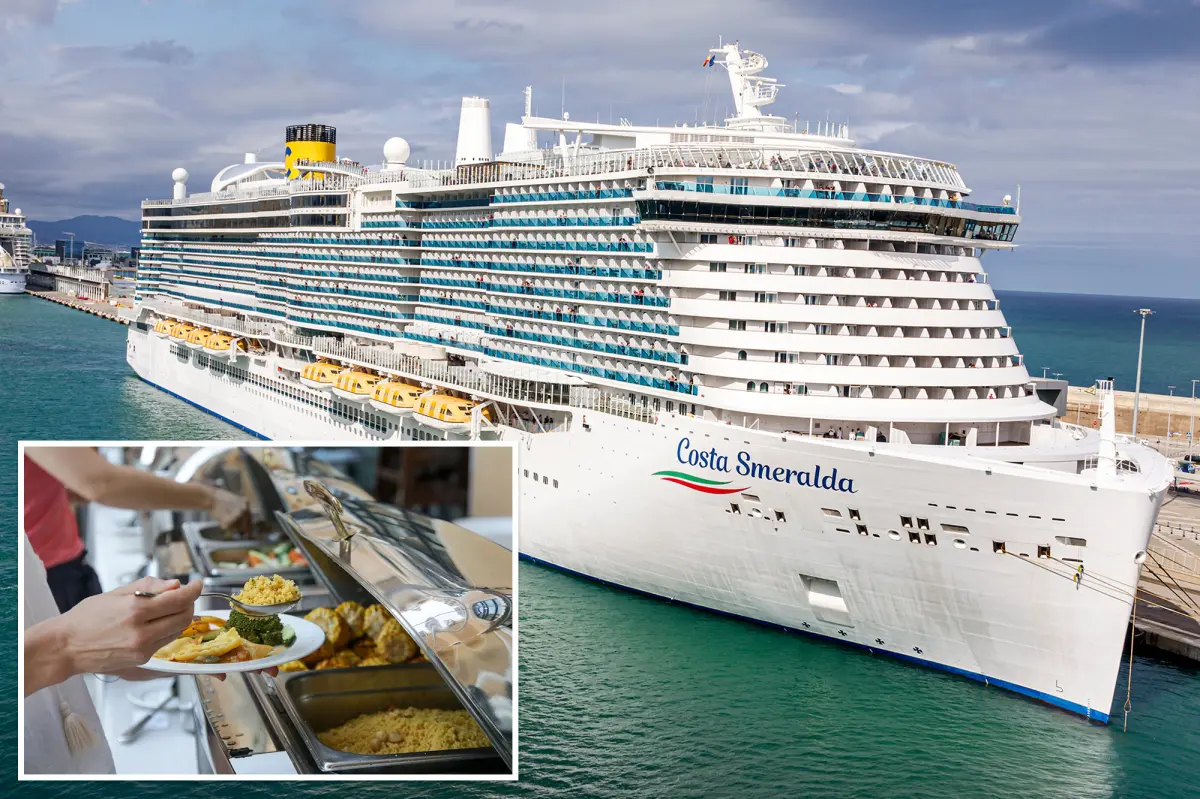
For many travelers, the quintessential cruise vacation is a masterclass in ultimate relaxation, a blissful escape from the daily grind where your hardest decision of the day is choosing between the pool deck and the sun lounger. At the heart of this indulgent experience lies the legendary, seemingly infinite cruise ship buffet—a culinary wonderland of hot pastries, fresh fruit, and late-night slices of pizza that passengers have long loved to pile onto plates and carry back to the quiet sanctuary of their staterooms. However, this cherished, slow-mannered ritual has recently hit a major snag that is sending shockwaves through the cruising community. Costa Cruises, a prominent Italian cruise line and a subsidiary of the massive Carnival Corporation, has taken a firm, highly controversial stand against this practice by warning guests that they are no longer permitted to sneak buffet food back to their cabins. To ensure the message hits home, the cruise line has threatened to hit non-compliant passengers with a stiff €60 cleaning fee—equivalent to nearly $70 USD—if they are caught bringing unauthorized plates back to their private sleeping quarters, transforming what was once a harmless midnight snack run into an expensive and strictly monitored violation of shipboard policy.
The cruise line’s decision to crack down on self-service takeout is grounded in deep-seated concerns regarding safety, hygiene, and the incredibly complex logistics of maintaining a healthy environment on a floating city. According to a spokesperson for Costa Cruises, guest safety and well-being remain their absolute top priorities, and the introduction of this punitive deterrent on select sailings was designed to proactively encourage responsible behavior among passengers. The cruise line has clarified that they are not trying to starve their guests, but rather maintain strict control over food safety by mandating that only room service staff—who are extensively trained in professional sanitation, temperature control, and food hygiene procedures—are allowed to transport and deliver meals directly to passenger cabins. On a massive vessel sailing through hot, tropical climates in the Mediterranean, Caribbean, or South America, food left out in warm staterooms at room temperature can rapidly become a breeding ground for harmful bacteria, vastly increasing the risk of widespread foodborne illnesses like Norovirus that can easily ruin a long-planned vacation for thousands of passengers in a matter of days.
Beyond the invisible threat of foodborne illnesses, there is a very human, labor-intensive side to this story that directly affects the hardworking crew members who keep these giant vessels running smoothly day and night. When passengers decide to transport their own plates of food from the buffet back to their rooms, those dirty dishes rarely find their way back to the washing stations; instead, they are often left on the floor in the narrow guest corridors, creating a messy, dangerous, and unsightly obstacle course for both fellow travelers and crew members. For the room stewards who already work grueling shifts cleaning multiple staterooms, having to constantly lift, carry, and clean up abandoned plates of cold pasta, half-eaten burgers, and soggy fries from carpeted hallways adds a significant physical burden to their daily routines. Leftover food in hallways also presents a localized pest control nightmare, attracting insects and producing unpleasant, stale odors that quickly strip away the luxurious, clean ambiance that cruise lines work tirelessly to maintain, making the new policy a welcome relief for the crew’s daily operational stress.
When news of Costa Cruises’ strict policy broke across social media platforms like the unrealcruises Instagram page, it instantly ignited a passionate, highly polarized debate among seasoned travelers who viewed the changes through very different lenses. On one side of the digital aisle, a large and vocal group of experienced cruisers defended the cruise line’s decision, venting their long-held frustration with the sheer lack of basic etiquette and common courtesy displayed by some of their fellow passengers on modern sailings. These supportive travelers argued that there is nothing more disappointing than walking down a beautifully carpeted, elegant hallway of a premium cruise ship only to find piles of sticky plates and dirty glasses cluttering the doorways. For these advocates of the rule, a vacation at sea should still retain a sense of class, and if a passenger has the physical capability to carry a heavily loaded plate of food all the way from the central buffet back to their cabin, they should certainly have the class and decency to carry the empty dishes back to the designated eating areas where they belong.
Conversely, a rebellious and deeply romantic faction of cruisers met the new fines with fierce resistance, viewing the strict rules as an unnecessary infringement on their personal freedom and the simple joys of a hard-earned vacation. For many couples and families, the highlight of their cruise is the intimate, quiet routine of waking up early, grabbing a couple of warm croissants and a hot pot of coffee from the buffet, and quietly returning to their private balcony to watch the sun rise over the endless, glittering ocean in peace. Critics of the policy point out that cruise packages are marketed as inclusive, stress-free escapes, and the thought of being micro-managed, policed, or fined an extra $70 just for wanting to eat a slice of toast in bed feels like an aggressive, corporate money grab designed to force guests into paying for premium room service. These frustrated passengers argue that they pay thousands of dollars for their staterooms and should be allowed to enjoy their meals wherever they feel most comfortable, rather than being forced to dine in crowded, noisy, and often overwhelming buffet halls during peak hours.
Ultimately, the clash over Costa Cruises’ buffet ban highlights the delicate and ongoing struggle between individual freedom and collective responsibility in the modern tourism industry, particularly on massive megaships that carry thousands of diverse people in close quarters. As cruise lines continue to navigate the thin line between providing a luxurious, unrestrictive guest experience and maintaining the highest standards of safety, public health, and environmental cleanliness, policies like these are becoming increasingly common across various brands. While the threat of a €60 cleaning fee might feel harsh and unwelcoming to the romantic vacationer dreaming of breakfast in bed, it serves as a stark reminder of the massive human effort required behind the scenes to keep these floating resorts safe, pest-free, and beautiful for everyone on board. As the travel world adapts to these changing rules, the hope is that passengers can find a harmonious balance—showing deep respect for the crew’s hard labor and the shared environment of the ship, while still finding ways to carve out those quiet, magical moments of peace that make a cruise vacation so endlessly appealing.