






Paragraph 1: The Monument in the Midwest
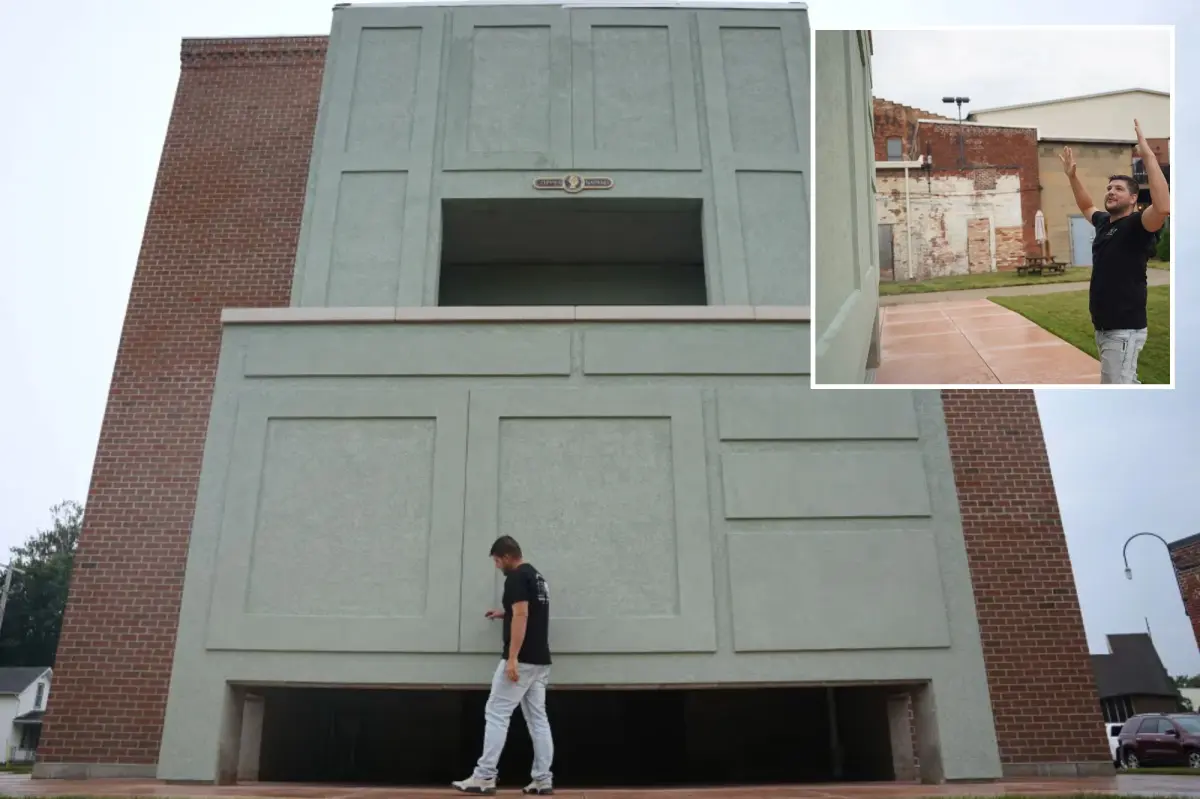
In the heart of the American Midwest, where the flat farmlands of northern Indiana stretch endlessly toward a pale blue horizon, a strange and wonderful apparition has risen from the earth. It is not a grain silo, nor a piece of avant-garde art, but a colossal, thirty-foot-tall wooden cabinet—a replica of the legendary Hoosier kitchen cabinet—standing proudly against a backdrop of rustic brick. For the residents of Nappanee, a small town of just over 6,000 people, this towering piece of furniture is equal parts source of local pride, quizzical amusement, and tangible connection to a past that shaped their community. The structure is not just a static monument; it is a three-dimensional, climbable experience, complete with a set of sturdy exterior stairs that lead visitors up to a charming loft nestled within the cabinet’s enormous frame. From that elevated perch, one can gaze out over the assembled rooftops of Coppes Commons, the bustling complex of artisan shops, museums, and communal spaces that have transformed the site of the original factory into a vibrant cultural hub. Visitors of all ages scamper up the steps, their laughter mixing with the creak of wood, while those on the ground crane their necks to take in the sheer absurd yet deeply heartfelt scale of the homage. The replica was unveiled as part of the 150th-anniversary celebration of Coppes Napanee, a manufacturer that has survived the seismic shifts of American home life, and it has, in the weeks since its opening, turned a once-pass-through town into a true destination. It is a bold, unapologetic statement, a conversation starter that evokes two distinct reactions: a bewildered “Why?” or an enthusiastic “That is so cool!”—and for the owners, both reactions are entirely welcome.
Paragraph 2: The Original All-in-One Kitchen
To truly appreciate the weight of this wooden monolith, one must first understand the humble yet revolutionary object it honors. The Hoosier cabinet, which dominated American home life from the 1890s through the 1930s, was far more than just a piece of furniture; it was the very nerve center of the domestic sphere, the “original all-in-one kitchen” in an era before built-in cabinetry, standardized countertops, or electrical appliances. Prior to its invention, the typical kitchen was a disjointed chaotic jumble of parts: a rough wooden work table sat in the middle of the room, awkward corner cupboards held mismatched dishes, and essential staples like flour and sugar were relegated to distant shelves or poorly sealed tins. The Hoosier cabinet consolidated all of this scattered chaos into a singular, freestanding workstation. It was a tall, imposing piece of oak or maple, often equipped with a porcelain or zinc work surface that folded down to create a clean preparation area. Inside, it was a masterpiece of organizational engineering, with special compartments for spices, canisters for flour, sugar, and coffee, cubbies for bread boxes, and housed a built-in flour sifter that could be operated with a simple flip of a lever. It even came with its own proprietary cookbooks, offering standardized recipes for meats, soups, breads, and desserts that were designed to maximize efficiency. So intuitive was its design, and so accessible were its tools, that contemporary advertising affectionately nicknamed it the “kitchen piano,” suggesting that just as a pianist never needed to leave the keyboard to find a note, a homemaker never needed to leave the cabinet to find a whisk or a pinch of cinnamon. This consolidation of function allowed women to “save their steps,” freeing them from the exhausting physical labor of running back and forth across a large room, and ushering in a new, streamlined era of domestic productivity that would pave the way for the modern kitchen as we know it today.
Paragraph 3: The Enduring Legacy of Coppes Napanee
The giant replica that now stands in Nappanee is a tribute not only to this past innovation but to the tenacity of the Coppes Napanee company itself, one of only two surviving manufacturers that once built these iconic cabinets. The story of the company is woven into the very fabric of the town—the original factory, whose walls now host artisan workshops and museum exhibits, is a testament to the generations of skilled woodworkers who once labored there. Wesley Mast, the current owner and president, finds himself constantly fielding questions about the giant structure he commissioned. He chuckles at the polarized public reaction, noting that some people look at the thirty-foot monstrosity and ask, “Why? Why such a big cabinet?” To which he offers the simple, philosophical rebuttal: “Why not?” Others, however, are immediately charmed, their eyes lighting up with delight at the sheer audacity and whimsy of the project. For Mast, the structure is not merely a quirky roadside attraction; it is a strategic and heartfelt piece of branding. It “brings us another level of attention and makes this place more of a destination than just a pass-through,” he explains. By erecting this giant, he has transformed a historical factory into an interactive landmark, ensuring that the legacy of Coppes Napanee reaches not just historians and antique collectors, but a new generation of tourists who may have never heard of a Hoosier cabinet before. The company, which still produces custom, bespoke cabinets in a workshop adjacent to the Commons, continues to honor its heritage, building modern heirlooms with the same dedication to craft that defined the original factory’s output a century and a half ago. The giant replica serves as a powerful symbol of the company’s survival, a stark contrast between the massive machinery of the past and the intimate artisan work of the present.
Paragraph 4: The Social Revolution for the Homemaker
Beyond the business savvy and the novelty, the Hoosier cabinet represents a profound, human-centric shift in the daily lives of early 20th-century women. Mary Figueroa, the curator of history at the Indiana State Museum and Historic Sites, which holds four original Hoosier cabinets in its collection, highlights how this piece of furniture fundamentally changed the rhythm of the household. Before its arrival, a kitchen was a sensation of drudgery; a woman would knead dough, check a boiling pot, and then walk across the room to retrieve a spice jar, only to return to her station, repeating this iterative dance hundreds of times a day. The cabinet changed that, ensuring that “everything that they could possibly need to make a meal right at their fingertips.” It was a physical acknowledgment of the repetitive strain and wasted energy inherent in traditional cooking. The clever marketing of the era even leaned into this transformative promise, with advertisements boldly claiming that owning a Hoosier cabinet would “strengthen your marriage” and “make you more beautiful”—allowing women to save the time and steps that could instead be spent on rest, beauty routines, or pleasant time with their families rather than collapsing in fatigue after hours of food preparation. The cabinet was a testament to the idea that domestic work deserved the same engineering and design innovation as the factories where these pieces were being built. Its popularity soared, with over 5,000 dealers across the country selling them, making it a ubiquitous symbol of a modern, efficient home. It stood as a marker of middle-class status, a gleaming monument to the idea that technology and design could improve even the most intimate and traditionally labor-intensive aspects of human existence, permanently altering the benchmark of comfort and convenience within the American household.
Paragraph 5: The Character of Nappanee and the Surrounding Region
The choice of Nappanee as the site for this monumental tribute is deeply rooted in the character of the region itself. Elkhart County is a fascinating tableau of American industrial heritage—it is a top national hub for recreational vehicle manufacturing, a center for wood products production, and, most notably, home to the third-largest Amish settlement in the United States. This confluence of cultures celebrates both the handcrafted, traditional work ethic of the Amish community and the dynamic, innovative manufacturing spirit that built the modern RV industry. In this landscape, wood is not just a material; it is a way of life, a symbol of durability, family, and manual skill. The original Hoosier cabinets were crafted from the very same hardwoods that these communities hold dear, and the giant replica seems to rise organically from this rich soil of craftsmanship. It sits only 150 miles north of Indianapolis, making it an accessible day-trip destination for urban dwellers, yet it feels a world away from the city’s hustle. For the locals, the giant cabinet is a source of civic pride, a quirky landmark that puts them on the map alongside the cornfields and the horse-drawn buggies that traverse the local roads. Wesley Mast’s vision of transforming a “pass-through” into a destination is already coming to fruition. Tourists planning to visit the famous Amish country or the nearby RV factory tours now add the giant cabinet to their itineraries. The structure acts as a lodestone, drawing visitors into the Coppes Commons complex, where they can browse permanent artisan stalls, watch craftspeople work, and park their cars to wander through the vintage machinery and historical exhibits. It has become the visual logo of the town—a whimsical giant that evokes the proud, sturdy, and slightly quirky soul of Northern Indiana.
Paragraph 6: Looking Out from the Loft of History
Climbing the giant cabinet’s stairs is an experience that feels almost mythological—scaling a piece of furniture that once stood in millions of grandparents’ kitchens to suddenly find oneself looking out over a modern marketplace is a surreal act of connection. From the loft, one doesn’t just see the restored factory, the parked cars, or the potential patrons below; one sees the trajectory of American history, from the sweat of outdoor cooking to the triumph of the industrial age, and the subsequent abandonment of these free-standing behemoths in favor of sleek, built-in wall-to-wall cabinetry after World War II. However, unlike those forgotten pieces that were torn out and discarded, this one has been re-invited into the public imagination. Mary Figueroa’s final thought on the project perfectly encapsulates its power: “It’s bringing awareness. I mean, you can’t miss it.” By simply being unmissable, the giant Hoosier cabinet has accomplished something that history museums often struggle to do—it has made the past interactive, playful, and currently relevant. It does not sit behind glass in a climate-controlled room; it invites you to touch it, climb it, and stand within its hollowed-out form. This physical engagement creates an emotional memory, ensuring that when a family returns home from their trip to Nappanee, they will remember the lessons of efficiency and craftsmanship inherent in the original design. The giant cabinet ensures that the story of the women who wrestled with flour and fire, and the men who built the mechanisms to save their steps, will not fade into dusty archival silence. As the sun sets over the flat Indiana plains, casting a long shadow from this painted wooden giant, the town of Nappanee basks in the glow of a well-told tale, proving that history, when built on a grand enough scale, can still make a house feel like a home—and a town feel like a destination. It is a playful, massive, and profoundly human monument to the simple act of making dinner.