






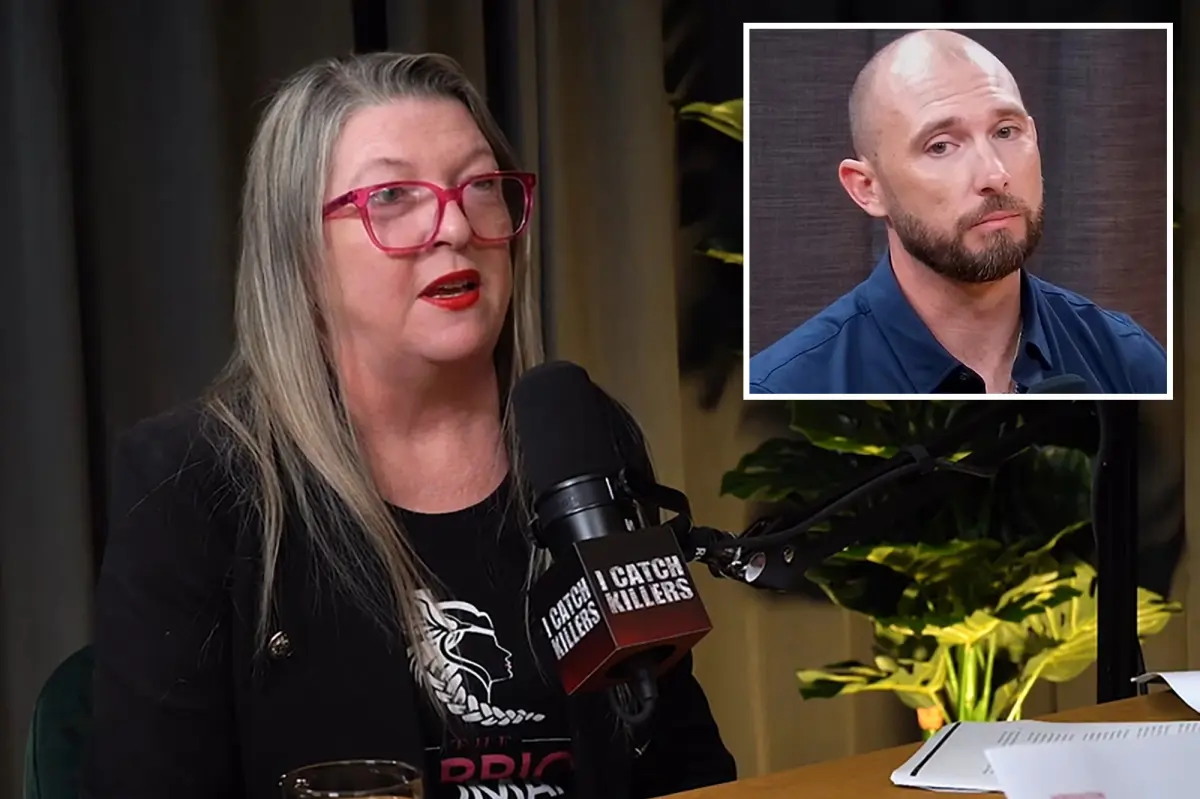
When Jessica Brown first heard reports of two separate, violent stabbings on the news, her immediate, quiet reaction was a wave of sympathy for the victims’ loved ones. She had no way of knowing that one of those attacks had occurred right in her brother Edan’s neighborhood, nor could she foresee that her own family was about to be shattered. This agonizing realization unfolded hours later in her car. Having left her phone unplugged and flat overnight, Jessica plugged it into her dashboard only to watch it go completely ballistic with missed calls and messages. For a brief, surreal moment, she assumed her phone was simply malfunctioning, but the devastating reality quickly caught up to her. It was May 2010, and Edan had been brutally stabbed to death. The primary suspect was his own friend, Anthony Jones. Shaken to her absolute core, Jessica blindly drove to her parents’ house, screaming in terror and grief, barely remembering the journey that would forever divide her life into “before” and “after.”
What followed was a grueling, agonizingly slow process through the Australian justice system that stretched the Brown family’s resilience to its absolute limit. Anthony Jones initially pleaded not guilty, a decision that prolonged the family’s raw suffering and forced them into a hostile courtroom environment. Jones later admitted that he stood on the witness stand and fabricated an entire story to save himself—a desperate lie that he confessed deeply troubled his own conscience. The first trial, which took two agonizing years to prepare, ultimately collapsed into a hung jury. This devastating setback meant the Browns would have to endure the trauma of a second trial. Reflecting on that dark period, Jessica recalled their initial, naive belief that the case would be open-and-shut because a recorded triple-zero emergency call clearly identified the killer. Instead, they were dragged through weeks of legal bureaucracy, facing the unbearable prospect of doing it all over again.
As the second trial loomed, prosecutors approached Jessica’s grieving parents with a difficult compromise. Fearing that a jury might acquit Jones of the top charge, the legal team suggested pleading for a lesser conviction of manslaughter to guarantee some prison time. It was a moment of profound testing for the family, but Jessica’s mother resolutely refused to back down, declaring that they would pursue a murder conviction even if it meant risking a total acquittal. This fierce pursuit of truth paid off when Jones unexpectedly changed his plea to guilty during the subsequent proceedings. The relief that washed over the family was immense. While nothing could ever fill the empty chair at their dinner table or bring Edan back to life, the guilty plea finally provided a definitive ending to a horrific chapter, sparing them from further courtroom torture.
However, the most extraordinary part of this tragedy is not the crime itself, but the radical grace the Brown family chose to extend fifteen years later. In 2025, after serving fourteen years behind bars, Anthony Jones was slated for release on parole. During his time in maximum security, Jones had undergone a profound personal transformation, renouncing his violent past and successfully completing a Bachelor of Ministry. Rather than harboring bitter resentment or demanding that he remain locked away forever, Jessica and her parents chose to view his impending release through a lens of hope and deep humanity. Jessica even attended his bail hearing in Parramatta, staying actively informed of his progress. The family agreed that if Jones had truly rehabilitated himself, they genuinely wanted him to succeed and find peace in his life outside of prison.
This remarkable story of forgiveness came to light through former homicide detective Gary Jubelin on his popular podcast, “I Catch Killers.” Before agreeing to interview Jones about his rehabilitation, Jubelin insisted on obtaining the blessing of the victim’s family, which led him directly to Jessica. Jubelin was deeply moved by the incredible generosity and lack of malice the Browns displayed toward the man who had stolen their beloved Edan. During her own appearance on the podcast, Jessica expressed a profound sense of gratitude that Jones had chosen to reform. She noted that while her family had been terribly unlucky to lose Edan, they felt uniquely fortunate compared to other victims’ families because his killer had chosen to make something positive of his life rather than remaining consumed by the anger that once drove him to violence.
Ultimately, the connection between the Brown family and Anthony Jones serves as a powerful testament to the capacity of the human spirit to heal and rise above tragedy. By choosing empathy over vengeance, Jessica and her parents did not minimize the horror of Edan’s death; instead, they refused to let bitterness dictate the rest of their lives. They found solace in the fact that Jones is actively working to repay his debt to society by giving back to the community and turning his existence into one of purpose. In a world often dominated by calls for endless retribution, the Browns’ quiet grace stands as a beautiful reminder that redemption is possible, and that even the deepest wounds can be answered with a transformative, life-giving peace.