






For generations, the home has been romanticized as a sanctuary—a private, impenetrable fortress where we can shed the armor of the public world and simply exist in peace. Yet, in our modern quest for frictionless living, we have willingly unlocked our front doors and invited an army of silent, electronic helpers into our most intimate spaces. From smart speakers that listen to our conversations to thermostats that track our daily rhythms, the contemporary household is less of a private refuge and more of a highly connected, data-gathering ecosystem. This week, the Federal Communications Commission (FCC) delivered a stark, unsettling reminder of this reality by officially adding foreign-produced robotic vacuums and other “advanced robotic devices” to its highly restricted “Covered List.” The agency’s regulatory crackdown is not merely a bureaucratic footnote; it is a seismic shift in how we define national security, transforming our unassuming, dust-busting appliances into potential espionage tools. By targeting mobile robots—ranging from humanoids that can walk and dance to connected power inverters and autonomous sweepers manufactured outside the United States—the FCC is sounding an alarm that the very gadgets we rely on to sweep up our pet hair might also be sweeping up sensitive data for foreign intelligence agencies.
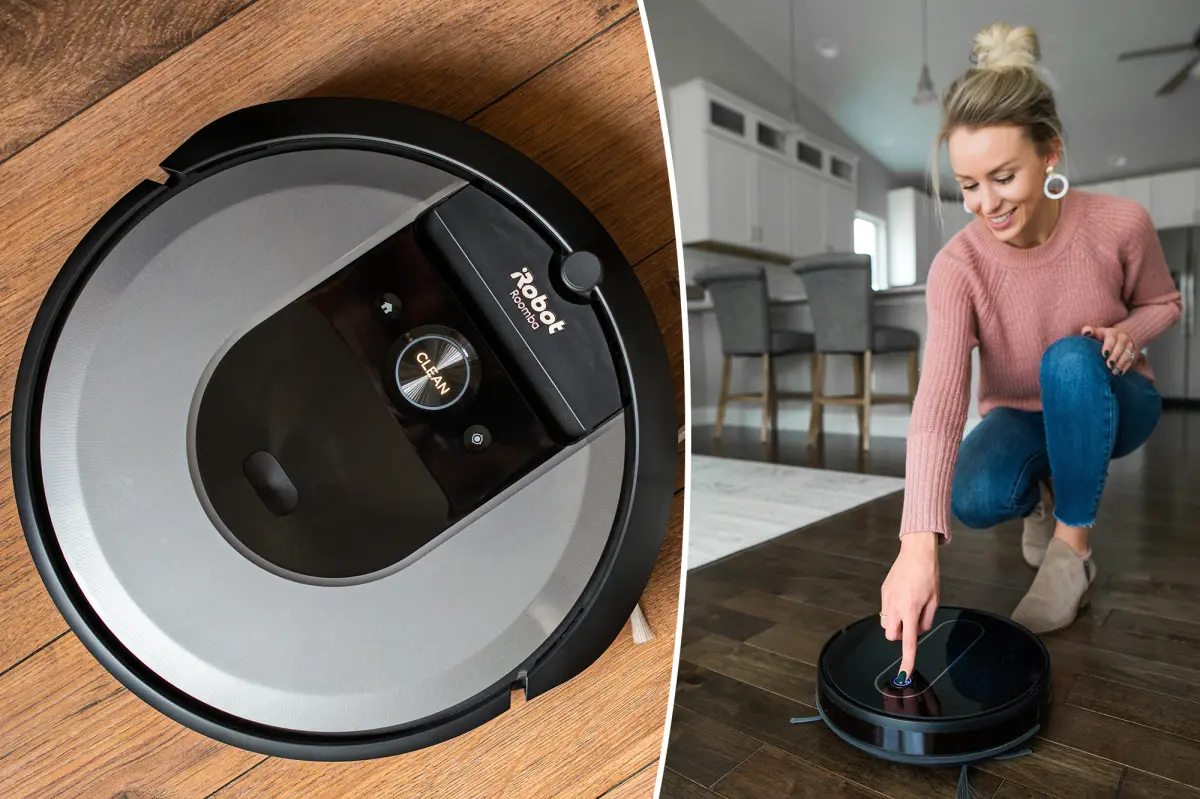
To understand why a simple household chore has suddenly become a matter of state security, one must look closely at the sophisticated technology packed into these compact, five-pound plastic discs. Modern robotic vacuums are no longer the blind bump-and-turn toys of the early 2000s; they are highly autonomous computers on wheels, powered by complex firmware, artificial intelligence models, and a dizzying array of built-in sensors. Using Light Detection and Ranging (LiDAR), optical cameras, infrared sensors, and smart mapping technology, these devices systematically navigate our homes, creating highly detailed, three-dimensional digital floor plans of our living spaces. According to the FCC’s thorough investigation, these networked capabilities create extensive vulnerabilities and open massive vectors for cyberattacks. The agency warned that the data harvested by these devices could be weaponized by hostile foreign governments to map the interiors of American homes, profile the habits and wealth of citizens, enhance the surveillance capabilities of foreign intelligence services, or even remotely commandeer the physical operations of the robots themselves. In essence, an unsecured smart vacuum could be transformed into a mobile, remote-controlled spy camera, navigating through hallways and bedrooms while quietly transmitting data across the globe.
For the millions of Americans who already share their living rooms with these automated helpers, the FCC’s announcement understandably sparks a wave of immediate anxiety and confusion. Fortunately, the new regulatory policy features a crucial grandfather clause designed to prevent widespread panic and domestic disruption: the restrictions only apply to newly authorized devices seeking entry into the US market. This means the robotic vacuums currently whirring across your carpets or charging quietly in their docks are not subject to recall or seizure. For major retailers, the policy offers a similar sigh of relief, as the new rules do not legally prevent them from continuing to import, market, or sell the existing inventory of models that have already received FCC approval. However, this distinction does little to ease the psychological discomfort of consumers who are left with the realization that the helpful little machine they bought last year contains the exact same hardware vulnerabilities and foreign data pipelines as the newly banned models, leaving a lingering cloud of unease over the future of domestic smart tech.
The geopolitical landscape of consumer electronics makes this ban particularly complicated, as the supply chains of virtually all major vacuum manufacturers are deeply intertwined with foreign nations. While the FCC’s updated “Covered List” did not explicitly call out specific brands by name, the industry’s biggest players—including iRobot, SharkNinja, Dyson, Samsung, and LG—rely heavily on manufacturing hubs located in China, Vietnam, Malaysia, and Indonesia. The irony is perhaps most visible in the story of the Roomba, the iconic device that pioneered the robot vacuum industry when it was launched by the American company iRobot in 2002. Today, the corporate lineage of the brand has grown incredibly complex, with ownership ties tracing back to entities like Shenzhen Picea Robotics and Santrum Hong Kong. In response to the FCC’s decisive action, iRobot issued a cautious statement to the press, acknowledging the agency’s new directive and stating that they are actively working to understand its long-term implementation and potential impact on their operations. Yet, as other manufacturers remain largely silent, consumers are left to navigate a confusing marketplace where the line between domestic convenience and foreign surveillance is increasingly blurred.
This aggressive regulatory shift by the FCC is not an isolated incident, but rather the latest battle in a quiet, ongoing digital cold war that has been intensifying behind the scenes for years. Just months prior to this announcement, the agency enacted similar restrictions on foreign-produced, consumer-grade internet routers—the fundamental boxes sitting in nearly every American home that connect our personal computers, phones, and smart appliances to the world wide web. The FCC’s investigations revealed that foreign-sourced routers represented a catastrophic vulnerability in the domestic supply chain, threatening the stability of the US economy, critical public infrastructure, and national defense. These fears are far from theoretical; the agency explicitly linked foreign-made routers to devastating, state-sponsored cyberattacks orchestrated by notorious hacking collectives such as Volt Typhoon, Flax Typhoon, and Salt Typhoon. These campaigns targeted vital American infrastructure, demonstrating that hostile foreign actors are actively seeking to exploit the benign hardware in our homes to establish backdoors into our national digital network, ready to disrupt everyday life at a moment’s notice.
As we look toward an increasingly automated future, this regulatory crackdown forces us to confront a profound cultural and ethical question: how much of our personal privacy are we willing to sacrifice on the altar of convenience? The dream of the fully connected, self-managing smart home of the future is undeniably alluring, offering us a life where mundane chores are eradicated by algorithms and automation. However, the FCC’s warning serves as a sobering reminder that there is no such thing as free labor in the digital age, and the true cost of our convenience is often paid in the currency of our personal data. As the global technology supply chain undergoes a massive, politically charged restructuring to comply with these new security mandates, we, as consumers, must become more vigilant and intentional about the devices we allow past our thresholds. Ultimately, safeguarding our national security is no longer just the responsibility of military strategists and cybersecurity experts in high-tech bunkers; it starts at home, with the choices we make when we decide who—or what—gets to sweep our floors.