






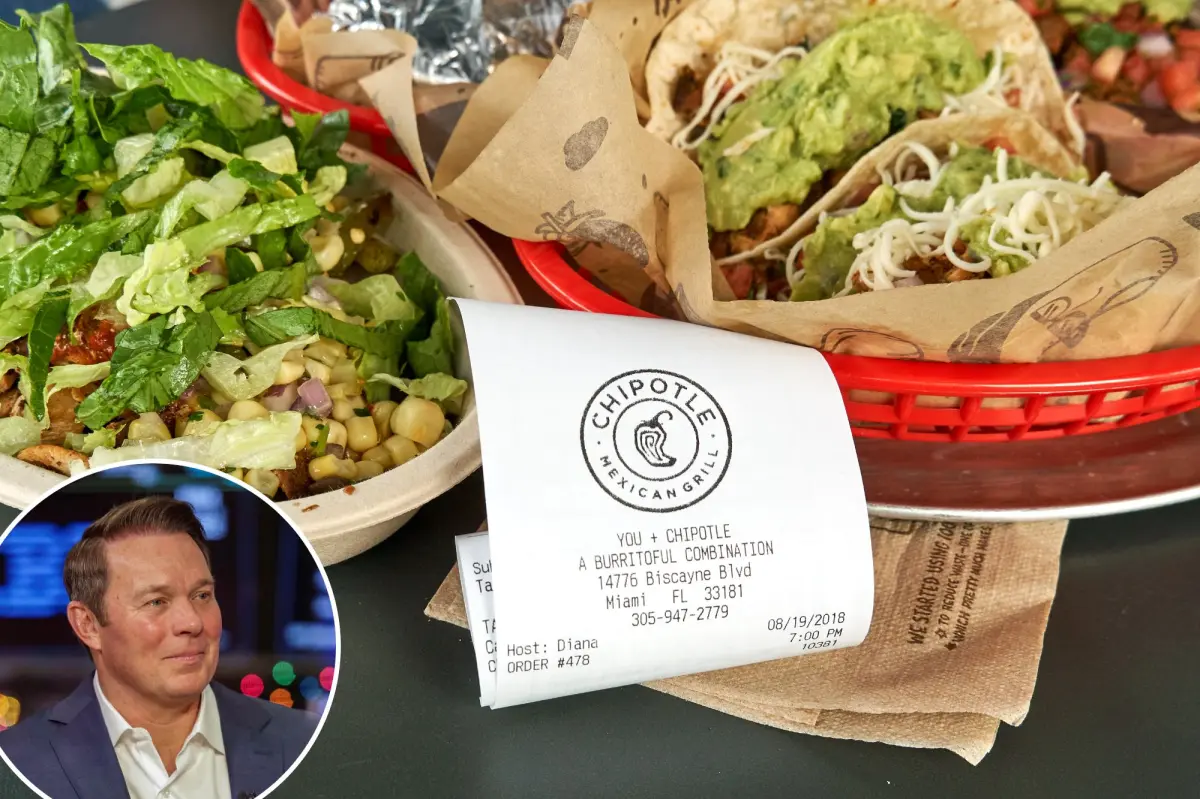
In an era characterized by shifting household budgets and persistent public conversations around the rising cost of everyday essentials, the simple act of stepping up to a fast-casual dining counter has transformed from a thoughtless daily routine into a deliberate financial decision. For millions of hardworking individuals, families, and students across the country, the daily quest to secure a hot, nutritious meal has become a delicate balancing act between seeking immediate convenience and maintaining strict economic prudence. To stand in a bustling lunch-hour line today is to participate in an ongoing negotiation between personal satisfaction, dietary health, and the practical boundaries of an increasingly strained wallet. Addressing this exact consumer tension, Scott Boatwright, the newly appointed Chief Executive Officer of Chipotle Mexican Grill, recently stepped forward with a remarkably optimistic and humanizing message during the company’s second-quarter earnings call. Rather than focusing solely on cold profit margins and stockholder expectations, Boatwright highlighted a fundamental, positive shift in how everyday people view the affordability of the brand, noting that the beloved fast-casual chain is successfully rewriting its narrative in the minds of its customers. This corporate update is far more than a dry recitation of balance sheets; it speaks directly to the lived experiences of diverse communities who rely on quick-service food options to fuel their busy lives. By addressing the subtle emotional and financial undercurrents of modern consumer spending, Boatwright underscored a renewed commitment to bridging the gap between a high-quality culinary experience and practical household math. As Chipotle navigates a highly competitive landscape marked by inflationary fatigue, this focus on the relationship between restaurant and patron signals a broader effort to ensure that eating well remains an accessible joy rather than an expensive luxury.
During the extensive earnings call, Boatwright expressed genuine pride in reporting that Chipotle’s internal brand tracking systems have registered a widespread, positive shift in value perception across all demographic groups. This positive sentiment was not confined to a single demographic pocket or a privileged financial bracket; rather, it resonated deeply across every age group and income cohort, from cash-strapped college students looking for an affordable study break to multi-generational families trying to feed hungry children on a budget. Boatwright emphasized that the affordability scores recorded in the second quarter of the year were stronger than they had been in nearly two years, pointing to a hard-won victory in customer relations and brand loyalty. This upward trend in perception is highly significant, given that the fast-food and fast-casual sectors have faced intense public scrutiny over the past few years for price hikes that threatened to alienate their core customer base. By proving that positive sentiment is rising uniformly across such a broad spectrum of the population, Chipotle’s data indicates that their efforts to remain grounded and accessible are bearing fruit. The brand tracker’s insights reveal that the average consumer is beginning to feel a sense of relief when they walk up to the glass to customize their meals, realizing that quality food does not have to come with a prohibitive price tag. For a brand that has spent years establishing itself as a staple of modern American dining, these statistics are not just numbers on a spreadsheet; they represent a restored sense of trust and an acknowledgment that the chain remains committed to keeping its menu within reach of those who rely on it most.
In a thoughtful exploration of modern consumer psychology, Boatwright challenged the conventional industry assumption that “value” is merely an equation of low price tags, temporary coupons, and aggressively pushed discount codes. He astutely pointed out that contemporary diners are far more sophisticated in their evaluations than traditional corporate metrics often assume, choosing to look at a holistic picture of what a brand offers. Value, in the eyes of a modern customer, is a multi-dimensional tapestry woven from seamless digital convenience, flawless on-the-line execution, exceptional culinary consistency, and constant menu innovation. When a busy parent can order on an intuitive app, pick up her family’s dinner via a rapid drive-lane without a single hitch, and serve a hot, flavorful meal made with fresh ingredients, the perceived value of that transaction extends far beyond the final dollar amount on the receipt. It represents saved time, reduced stress, and the peace of mind that comes from nourishing one’s family with real ingredients rather than heavily processed substitutes. By recognizing that execution and convenience are fundamental pillars of affordability, Chipotle is shifting the industry dialogue away from purely transaction-based relationships toward a more holistic, appreciative model. This strategic mindset shift acknowledges that a high-quality experience is a valuable form of currency in itself, recognizing that in today’s fast-paced world, protecting a customer’s time and energy is just as crucial as protecting their wallet.
To translate this holistic philosophy of value into tangible, real-world options, Chipotle has actively experimented with and introduced creative, lower-priced menu choices designed to fit diverse lifestyle and dietary needs. A prime example of this consumer-first adaptability occurred with the launch of their targeted high-protein menu back in December, which introduced highly accessible and nutritious choices for individuals looking for quick sustenance without committing to a massive, premium-priced double-wrap burrito. Among these strategic introductions was a Single Chicken Taco priced at just $3.50 in select locations, offering a perfect, low-cost snack or light lunch option for people on the move. Additionally, the company rolled out a High Protein Cup of Adobo Chicken, which carried a very reasonable national weighted average price of only $3.82 at its debut, providing an excellent protein boost at a fraction of the cost of a full meal. These offerings are not merely random additions to a crowded menu board; they represent a deliberate, empathetic response to the growing consumer demand for smaller, affordable portion options that still pack a significant nutritional punch. By providing these gateway price points, Chipotle has successfully opened its doors comfortingly wider, ensuring that a physical laborer, a student studying between classes, or an athlete looking for a post-workout recovery snack can walk in with under five dollars in their pocket and leave feeling satisfied and respected, showing that the company’s commitment to accessibility is matched by practical menu design.
The strategic focus on holistic value and smart, accessible menu design has not only warmed the hearts of customers but has also driven stellar financial results, proving that empathy and robust commerce can coexist hand-in-hand. On the same day that Boatwright discussed these consumer perceptions, Chipotle announced its stellar second-quarter financial results, highlighting a staggering revenue of $3.3 billion, which represents an impressive 9.3% increase over the same period in the previous digital tracking cycle. This massive financial milestone underscores a powerful lesson for the broader hospitality and restaurant industry: prioritizing the customer’s sense of financial dignity and product satisfaction directly translates to sustained corporate vitality. Rather than relying on aggressive, margin-squeezing price hikes that ultimately alienate loyal followers, Chipotle’s steady revenue growth indicates that customers are voting with their feet and their wallets, returning to the restaurants more frequently because they feel they are receiving a fair return on their investment. This economic success is fundamentally built upon a foundation of daily human interactions, millions of individual choices made by everyday people choosing where to spend their hard-earned dollars. By demonstrating that a corporation can achieve multi-billion-dollar success while simultaneously improving its affordability scores, Chipotle is paving the way for a more sustainable, consumer-friendly business model that views the customer not merely as a transaction to be optimized, but as a vital partner in the brand’s enduring journey.
Despite its current triumphs, Chipotle has not been immune to public scrutiny, having previously faced passionate online debates and viral social media videos critiquing its portion sizes and pricing structures. Rather than ignoring these concerns or retreating behind public relations spin, Boatwright has actively confronted these perceptions, firmly pushing back against the narrative that the chain has compromised its portion integrity or become too expensive for the average citizen. In his public statements, including an insightful appearance on major media podcasts, Boatwright reiterated a deeply humanized vision for the brand, passionately arguing that wholesome, nutritious food should never be treated as an exclusive privilege. “We have an affordable price point for all walks of life, and we’re for everyone,” he declared, encapsulating a philosophy that seeks to democratize healthy eating across the nation. By reminding the public of this foundational mission—to provide fresh, high-quality, and responsibly sourced ingredients to every person who walks through their doors—Boatwright is attempting to heal any lingering rifts in customer trust. Ultimately, the story of Chipotle’s recent quarter is one of dynamic listening and active adaptation; it is about a massive fast-casual brand striving to keep its promise to the community, proving that even in a complex economic landscape, it is possible to serve up nourishment, convenience, and respect, all at a price that keeps the door open to everyone.