




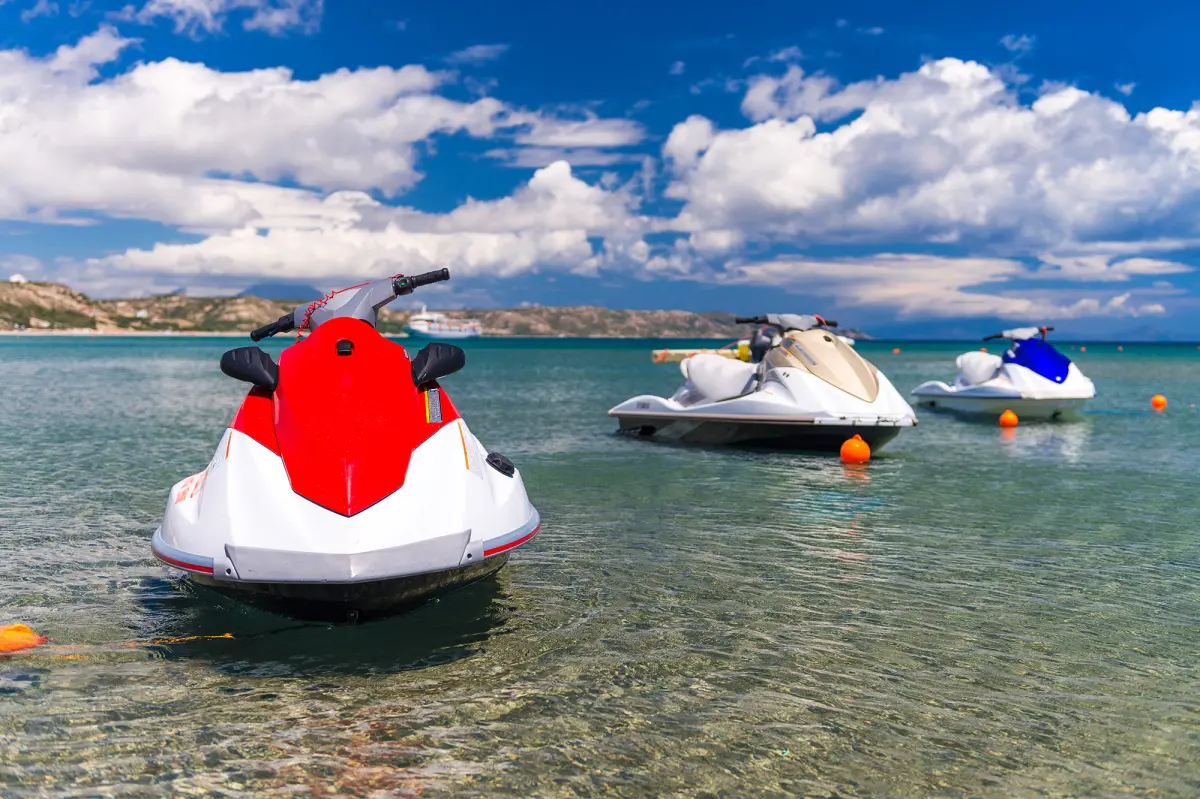
For millions of eager travelers, the mere mention of the Bahamas conjures up idyllic imagery of crystalline turquoise waters, swaying palm trees, and the warm, embracing sun of a classic tropical paradise. It is a destination where everyday worries and workplace stresses are supposed to melt away, replaced by the gentle rhythm of the ocean tides and the promise of unchecked relaxation. When we step off a plane or a cruise ship into such breathtaking surroundings, our natural defense mechanisms relax; we assume that because a place feels like a dream, nothing bad can happen to us there. However, a sobering new advisory from the United States Embassy in Nassau serves as a stark, heart-wrenching reminder that even the most beautiful destinations can harbor hidden dangers when travelers let their guard down. In an urgent warning that has sent shockwaves through the tourism industry, U.S. officials are strongly advising American citizens to completely steer clear of jet ski and recreational watercraft rentals across the entirety of the Bahamas. The embassy’s advisory points to a rise in highly concerning incidents involving unregulated, unlicensed, and uninsured “rogue operators” who frequent the islands’ most popular coastlines. These predatory and reckless individuals are reportedly targeting unsuspecting tourists on famous shores, transforming what should be a thrilling highlight of a vacation into a sudden, terrifying ordeal. When we travel, we often take for granted that commercial recreational activities are heavily regulated and safe by default, but the reality on these Bahamian shores is vastly different. The lack of structured oversight means that tourists are essentially stepping into a dangerous regulatory vacuum, where the thrill of speeding across the waves can instantly spiral into a life-altering disaster.
Behind the dry statistics, official travel advisories, and government bulletins lie devastating stories of real human loss and interrupted lives that have left families permanently shattered and searching for answers. Perhaps the most heartbreaking example of this is the tragic death of Alaska Air National Guard Second Lieutenant Robert Rosa, a dedicated young service member whose life was abruptly cut short in September 2025 during what was meant to be a joyous, well-deserved vacation in Nassau. His tragic passing stands as a somber monument to the preventable dangers of the local jet ski industry, illustrating that even those trained to navigate high-stakes, high-risk environments are entirely vulnerable to the chaotic unpredictability of unchecked watercraft operations. In addition to this profound loss, at least six other American citizens have suffered severe, debilitating physical injuries since August 2024 due to chaotic jet ski accidents on Bahamian waters. For three of these victims, the shattered bones and internal trauma were so catastrophic that local medical facilities were insufficient to treat them, requiring immediate, frantic, and extraordinarily expensive emergency medical air evacuations back to the United States. These are not merely anonymous numbers on a spreadsheet; they represent young parents, eager college students, and excited vacationers whose lives were permanently altered in an instant. The immense emotional and financial toll on their families—who went from planning beachside dinners to keeping desperate vigils in intensive care units—highlights the gravity of the situation, forcing us to confront the reality that a split-second decision to rent a jet ski from an eager solicitor on the sand can carry a price tag that no family should ever have to pay.
Disturbingly, physical crashes and mechanical failures are not the only threats tourists face when engaging with these unregulated operators; there is a far darker, deeply predatory element that has increasingly come to light. The U.S. Embassy has documented a horrifying trend of sexual violence, highlighting that at least two American women reported being raped by jet ski operators in April of last year, contributing to a total of three reported sexual assaults linked directly to watercraft operators in 2024. These predators leverage their mobility, local knowledge, and the speed of their watercraft to gain the trust of tourists, only to isolate them on remote islands, private cays, or secluded stretches of coastline where help is completely out of reach and screams are drowned out by the engine noise. The psychological scars left on these survivors are immeasurable, turning what was supposed to be a dream holiday of a lifetime into a lifelong nightmare of trauma, therapy, and recovery. It is a chilling reminder of how easily vulnerabilities are exploited when tourists find themselves in foreign environments, unfamiliar with local geography and lacking immediate access to trusted law enforcement. The absolute betrayal of trust committed by these operators—who present themselves as friendly local guides offering a fun, authentic island experience—underscores why the U.S. government is taking such an aggressive, protective stance against the industry. This is not just a matter of poor safety equipment or bad driving; it is a profound security issue where unsuspecting visitors are targeted by predators masquerading as legitimate local business owners.
To understand why this safety crisis has reached such a boiling point, one must look closely at the systemic lack of regulation and the daily operations of these beachside solicitors. The U.S. Embassy has bluntly stated that the vast majority of these rogue operators are entirely unlicensed, completely uninsured, and navigating watercraft that are structurally unsafe, mechanically neglected, or entirely lacking in basic safety gear. Law enforcement oversight in these bustling tourist zones is sporadic at best, leaving a massive regulatory vacuum that is easily exploited by individuals who prioritize quick cash over human life and safety. This alarming lack of accountability has forced the United States government to take the extraordinary step of banning its own federal employees from renting or riding jet skis while visiting the Bahamas. When a government explicitly prohibits its own staff—who are often subject to strict safety protocols—from participating in a recreational activity, it speaks volumes about the severity and ubiquity of the threat. The most popular beaches of Nassau, including Cabbage Beach, Junkanoo Beach, and Saunders Beach, have become chaotic hotspots for these aggressive solicitors who hover around the cruise ship ports and resort areas, looking for easy targets among disembarking passengers. Without strict licensing standards, mandatory safety inspections, or reliable background checks for operators, tourists who choose to step onto these vessels are essentially gambling with their lives, trusting their safety to strangers who have absolutely no legal, moral, or financial accountability if something goes terribly wrong.
In response to these escalating dangers and the tragic stories of injured and assaulted citizens, U.S. Ambassador to the Bahamas Herschel Walker took to the airwaves to issue a deeply personal and direct public service announcement aimed at safeguarding American travelers. In his televised address, Ambassador Walker did not mince words, pointing directly to the preventability of the lives lost and the critical, life-altering state of those who remain hospitalized. He emphasized that the embassy’s primary mandate is the protection and welfare of Americans abroad, a duty that requires honest, sometimes uncomfortable warnings about the places we visit and love. The ambassador revealed that the United States is currently engaging in high-level diplomatic discussions with the Bahamian government, working collaboratively to implement badly needed reforms, establish rigorous safety standards, and clean up the coastal tourism industry. However, bureaucratic reforms, legal overhauls, and policy negotiations take a significant amount of time to implement, and as Walker rightly pointed out, travelers cannot afford to wait for systemic changes while their immediate safety is on the line. Until these comprehensive marine reforms are fully actualized, active, and enforceable on every beach, the official advice from the embassy remains unyielding: consider all the risks, resist the high-pressure sales pitches on the beaches, and actively choose alternative, safer forms of recreation. The embassy urges anyone who finds themselves in distress or who has been a victim of these operators to contact their consular offices immediately, emphasizing that they are a vital lifeline in times of crisis.
Ultimately, this critical warning from the U.S. Embassy serves as a broader, invaluable lesson in the necessity of mindful, vigilant tourism in an increasingly connected yet unpredictable world. While it is entirely natural to want to fully immerse oneself in the carefree, adventurous spirit of a tropical vacation, we must balance our desire for adventure with a healthy dose of skepticism, self-preservation, and common sense. True relaxation is built on the absolute foundation of personal safety, and no fleeting moment of adrenaline on a jet ski is worth risking one’s life, bodily integrity, or mental peace of mind. By researching excursions ahead of time, opting for vetted, well-established tour companies associated with reputable resorts, and keeping a watchful eye on local weather and marine alerts, travelers can still enjoy the breathtaking beauty of the Bahamas without falling victim to predatory and unsafe practices. Let us honor the memory of those who have been lost, and stand in solidarity with the survivors of these tragic incidents, by making informed, highly conscious decisions during our travels. Our lives, and the well-being of the loved ones who wait for our safe return home, are far too precious to be left in the hands of unlicensed, unregulated strangers on a beach; by staying informed, looking out for one another, and choosing wisely, we ensure that our journeys remain sources of joy, inspiration, and beautiful memories rather than profound regret.