





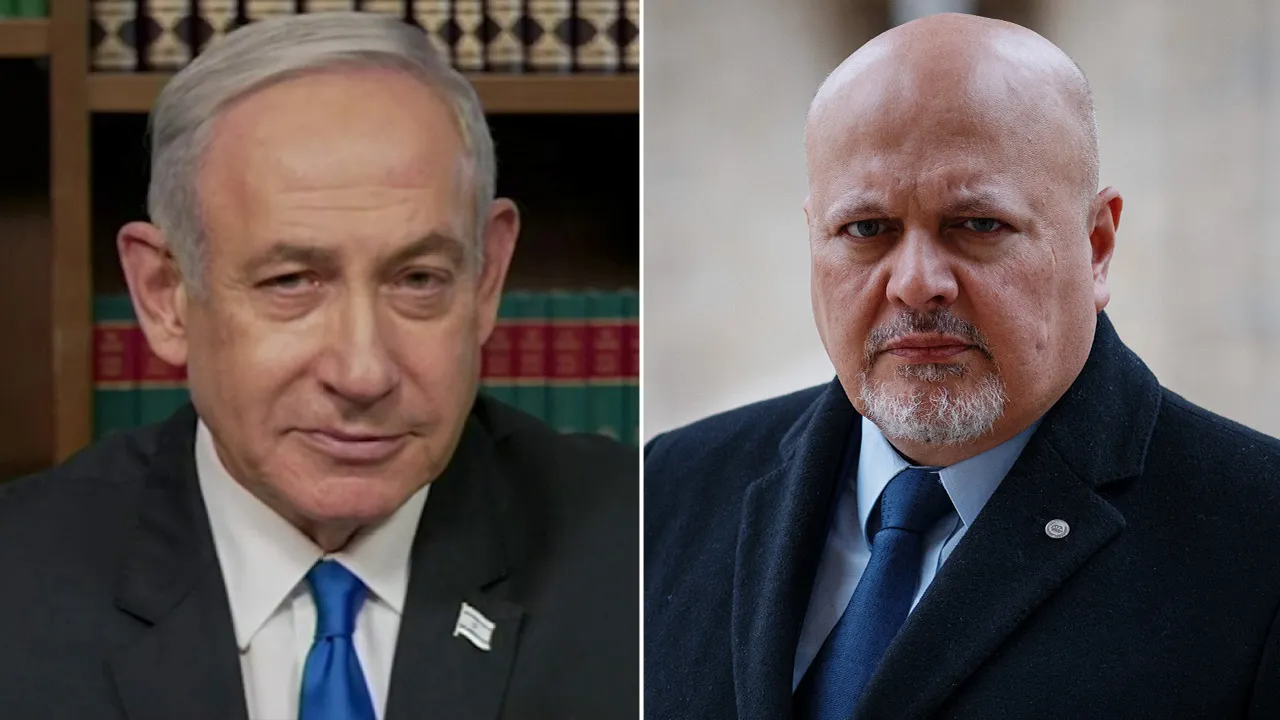
The halls of international justice in The Hague are reeling after a sudden and dramatic shift in power that has sent shockwaves far beyond the Netherlands. Karim Khan, the formidable and highly controversial Chief Prosecutor of the International Criminal Court (ICC), has been suspended from his duties with immediate effect. This stunning move follows a quiet but intense disciplinary inquiry into allegations of sexual misconduct, forcing the very man who spent years holding the world’s most powerful figures accountable into the defensive position of fighting for his own professional survival. The ICC, established under the historic Rome Statute, stands as a tribunal of last resort, meant to prosecute humanity’s gravest offenses—genocide, war crimes, and crimes against humanity. Yet, with its lead prosecutor now sidelined, the court finds itself trapped in a media storm and an internal crisis. Khan’s suspension is not simply a bureaucratic shuffle; it represents a profound institutional earthquake for an organization whose global credibility rests entirely on its moral authority and absolute impartiality. By referring his disciplinary proceedings to the full Assembly of States Parties, the court’s governing body has signaled that even those at the absolute pinnacle of international law are not immune to scrutiny, plunging the court into uncharted territory as its leadership tries to manage a mounting public relations disaster.
At the heart of Khan’s sudden downfall is an 18-month investigation into troubling allegations of sexual misconduct involving a lawyer working within his own office. The path to his suspension has been fraught with bureaucratic tension, reflecting a deep divide within the institutions tasked with examining the evidence. An investigation conducted by the United Nations Office of Internal Oversight Services reportedly uncovered evidence supporting the accusations, pointing to a serious breach of duty and nonconsensual sexual activity. However, a separate judicial review painted a more complicated picture, concluding that the available evidence did not quite meet the stringent standard of proof beyond a reasonable doubt. Despite this evidentiary split, the Bureau of the Assembly of States Parties—the administrative body representing the court’s member nations—determined that the allegations constituted “serious misconduct” and recommended Khan’s immediate suspension. This recommendation has now elevated the matter to a special session of the Assembly of States Parties, a governing coalition of 125 member states that will ultimately decide Khan’s fate. As the court prepares for this highly anticipated session, the contrast between the high-flying rhetoric of international human rights and the painfully human reality of office politics and alleged abuse of power has left the landmark institution deeply vulnerable.
In the face of these career-ending allegations, Karim Khan and his legal team have mounted a fierce and uncompromising defense, vehemently denying any wrongdoing. His lawyers have publicly condemned the suspension, painting the decision as an unlawful, procedurally unfair, and politically motivated assault that lacks any genuine evidential backing. They argue that the process has bypassed standard protections of due process, transforming a contested workplace allegation into a public execution of Khan’s career before he has had a fair chance to clear his name. This defense touches on a raw nerve within the international legal community, where the presumption of innocence is viewed as a sacred pillar of justice. For Khan, who has built his reputation on a fierce, almost dogged commitment to the letter of the law, the irony of being subjected to what his defenders characterize as a rushed and legally flawed internal tribunal is profound. He now finds himself fighting a war on two fronts: attempting to dismantle the credibility of the internal investigation while simultaneously keeping his broader legal legacy from being entirely dismantled by his critics. The high-stakes legal maneuvering has turned the ICC’s internal processes into a dramatic courtroom drama of its own, with observers parsing every leaked detail for clues about who will emerge victorious.
It is impossible to separate Khan’s suspension from the intense geopolitical crossfire that has defined his tenure, particularly his highly controversial push to secure arrest warrants for Israeli Prime Prime Minister Benjamin Netanyahu and former Defense Minister Yoav Gallant. Introduced in the wake of Israel’s military campaign against Hamas in Gaza, these warrant requests made Khan one of the most polarizing figures in modern diplomacy, drawing fierce condemnation from both Israel and the United States, neither of which recognize the ICC’s jurisdiction. The friction escalated dramatically in February 2025 when the Trump administration slapped Khan with severe financial and travel sanctions under an executive order designed to shield America and its closest allies from international overreach. By targeting the personal assets of the chief prosecutor, the U.S. sent an unmistakable message about the boundaries of global judicial authority. Now, with Khan suspended, critics of the court have seized on the misconduct scandal to argue that his aggressive pursuit of democratic leaders was merely a desperate, politically motivated gambit to distract from the brewing storm of his personal scandal. This intersection of high-stakes Middle Eastern diplomacy, American unilateralism, and internal workplace dynamics has amplified the scandal from a localized HR dispute into a global debate over the weaponization of international law.
The international reaction to the suspension was immediate and deeply fractured, reflecting the polarized views of the ICC’s legal mandate. In Israel, leaders lost no time in claiming validation, with Prime Minister Netanyahu publicly mocking Khan on social media, suggesting that the prosecutor fabricated war crimes charges against Israel simply to divert attention from his own mounting sexual crime accusations. Israel’s UN Ambassador, Danny Danon, echoed this sentiment, declaring the ICC “rotten to the core” and calling for the immediate cancellation of the “absurd” indictments. In the United States, UN Ambassador Mike Waltz reiterated the unwavering American opposition to any ICC overreach against democratic allies, describing the situation as “a bit rich” that a prosecutor who sought to jail an elected leader is now facing immediate suspension. Meanwhile, human rights advocates have urged caution; Liz Evenson of Human Rights Watch emphasized the importance of taking the allegations seriously while urging member states to protect the ongoing work of the court. Scholars like Anne Bayefsky, however, argue that the damage is already done, asserting that the court’s leadership allowed the accusations to drag on for nearly two years to protect their political agenda, thereby permanently staining the credibility of the entire ICC apparatus.
As the International Criminal Court stands at this critical juncture, its presidency has frantically sought to steady the ship, releasing statements defending the institution as “one of the most significant achievements of human civilization” and reaffirming their commitment to impartiality, victim redress, and staff dignity. Yet, the question of how this leadership vacuum will affect active, highly sensitive prosecutions—especially the war crimes cases in the Middle East and Ukraine—remains completely unanswered. By refusing to confirm whether the warrants against Israeli leaders will be paused, the court has left allies and adversaries alike guessing about its next move. Ultimately, Khan’s suspension exposes the delicate vulnerability of international organizations that claim to speak for global conscience. When the arbiters of international law are themselves accused of failing to uphold basic standards of ethics and personal conduct, the entire structure of global accountability begins to look fragile. As the Assembly of States Parties prepares to convene its special session, the world is watching to see if the ICC can successfully police its own leadership with the same vigor it applies to global leaders, or whether this scandal will mark a permanent decline in the court’s power to demand justice on the world stage.