





The Shadow of Oil in Troubled Waters: A Glimpse into the Persian Gulf Crisis
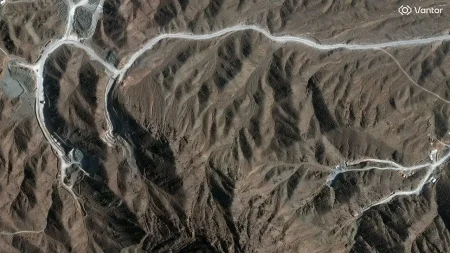
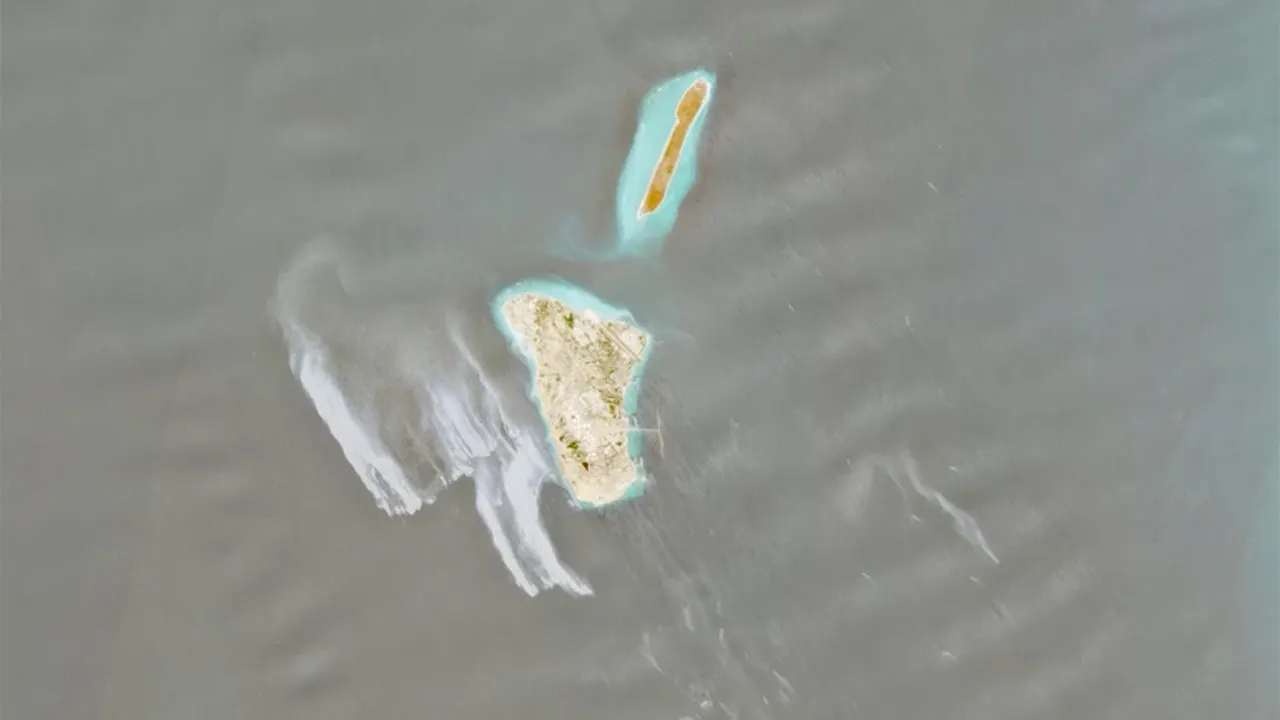
In the heart of the Persian Gulf, where the Strait of Hormuz pulses like a lifeblood for global energy trade, tensions are simmering beneath the surface—literally. Just imagine sitting on a quiet beach, watching the azure waves lap at the shore, only to spot a greasy sheen spreading out like an unwelcome stain on a favorite shirt. That’s the reality unfolding near Iran’s Kharg Island, a bustling export hub that’s now at the center of a potential environmental nightmare. According to maritime intelligence experts at Windward AI, a second suspected oil slick was spotted on a seemingly ordinary morning, late last week, with an approximate visible area stretching from 12 to 20 square kilometers. This new blotch follows an even larger spill first detected on May 8, a gray-and-white smudge in satellite images that’s been creeping southwestward, inching ominously toward Saudi Arabian waters. It’s not just an eyesore; it’s a ticking time bomb for the region’s fragile ecosystem, and as the Strait of Hormuz remains in turmoil since Iran closed it in late February amid escalating hostilities, the fear of a full-blown catastrophe is palpable. Imagine the fishermen who rely on these waters for their livelihood, suddenly facing empty nets, or families in coastal villages worrying about the air they breathe—it’s the human face of what international observers are calling a high-stakes gamble with nature.
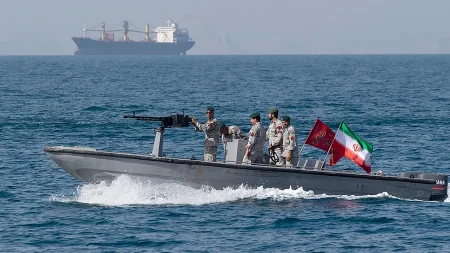
This isn’t happening in a vacuum; it’s tied to the icy standoff with the U.S., where “Economic Fury” sanctions are biting hard, boosting American naval patrols to choke Iran’s oil exports. The strait, that narrow bottleneck crucial for a fifth of the world’s oil, has seen tankers piling up like frustrated commuters in traffic. In this “war mode,” as experts describe it, accidents aren’t just possible—they’re almost inevitable. Iran quickly points fingers at foreign vessels, claiming they’re dumping oil residue and ballast water as some kind of reckless mess-making tactic. But maritime sleuths at Windward AI tell a different story: this isn’t crude from a ship’s belly, but likely raw petroleum escaping from aging pipelines or bungled ship-to-ship transfers. The main slick, clocking in at a whopping 65 square kilometers and estimated at tens of thousands of barrels, isn’t the work of vandals—it’s the fault of worn-out infrastructure stressed by sanctions and conflict. Iranian lawmakers, like Jafar Pourkabgani from Bushehr province, are shouting it down as “enemy psychological operations,” a narrative that feels more like a deflection than defense. Meanwhile, the company’s own Oil Terminals Company swears by their inspections—no leaks from tanks, pipelines, or loading spots. It’s a standoff of words versus waves, and as the slick drifts on, the truth feels like it’s slipping away, much like the oil itself.
Dr. Kaveh Madani, a sharp-minded official from the U.N. University Institute for Water, Environment and Health, paints a stark picture when you talk to him about this. He’s not one to mince words; he says we should be glued to our screens, monitoring every ripple of that slick, because if it swells, it could expose gaping holes in Iran’s energy backbone—pipes and platforms that have been limping along even before the current drama. “If this gets bigger, we’re looking at serious trouble from leaky, old infrastructure,” he warns, his voice carrying the weight of someone who’s seen this movie before. The oil’s moving southwest, away from the island for now, but that’s little comfort; he stresses we’re not out of the woods, especially with desalination plants dotting the coastlines nearby. Shut those down, and what happens to millions of people who drink that processed water every day? “The risk is low right now,” he admits, “but we have to watch it like a hawk—if it veers toward populated spots, we’re talking crisis.” It’s personal for Madani; he’s thinking about the families, the fishermen caught in this crossfire, the wildlife whose underwater world turns toxic. In a place where water moves slowly through the Gulf’s currents, pollutants don’t just disappear—they linger, poisoning everything they touch. It’s a reminder that in this high-stakes game of geopolitics, the environment often pays the highest price, unseen and unheard until it’s too late.
Diving deeper, it’s hard not to draw lines to the past, where similar horrors played out during the Gulf Wars and the Iran-Iraq conflict. Picture the scenes Madani describes: coastal communities battered by black tides, fishing boats hauled up empty, marine life gasping for breath, and desalination intakes clogged with goo. Back then, the spills were war wounds, scars on the landscape that took years—even decades—to heal. The Persian Gulf’s sluggish circulation acts like a slow cooker for pollution, trapping it in endless loops that amplify the damage. Reverend John of the local parish might preach about forgiveness, but these waters hold no grudges; they just accumulate the mess, turning vibrant reefs into ghost towns. It’s not just the economy—think of the dad who can’t bring home a catch anymore, or the kids playing on beaches now barred by health warnings. In today’s “war mode,” with the strait shuttered and hostilities boiling over, Madani fears a repeat: “We’ve seen this before,” he says, echoing a grim chorus. The real victims? The ordinary folk who desperately need this waterway to be a route for prosperity, not a plague pit. It’s a humanitarian echo that reminds us disasters aren’t just about barrels and borders—they’re about Bake, the salt-of-the-earth people who live here, watching their world drift into darkness.
Zooming out, the U.S. isn’t standing idly by; it’s amping up pressure with “Economic Fury,” those crippling sanctions designed to squeeze Iran’s oil lifeline dry. Since the strait slammed shut in late February—sparked by some flare-up in hostilities—tanks have been clogging ports across the region, a logistical nightmare inflating prices and frustrating exporters worldwide. American ships hover like watchful sentinels, flexing naval might to curb Iran’s flows, but in this chessboard of aggression, every move risks collateral carnage. Winds AI projects the slick could cruise into Qatar’s exclusive economic zone in just four days, maybe slamming ashore near the UAE’s Al Mirfa beach in thirteen—right where tourists flock for sunsets and skyscrapers. It’s not sci-fi; it’s a ticking calendar for calamity. With so many tankers floating around like a floating parking lot, accidental spills are a real threat, Madani notes, emphasizing that in a “war mode,” environmental safeguards get shoved aside. You can almost hear the frustrated sighs of captains, knowing one wrong bump could unleash another gush. Yet, as the U.S. plays this economic heavy, it begs the question: is starving out Iran’s economy worth the gamble on this fragile gulf ecology? For families in Iran, reliant on those disputed exports for survival, it’s not abstract—it’s their bread and butter, their hopes for a better tomorrow, now overshadowed by this oily specter.
In the end, Iran’s denials ring hollow against the satellite evidence and expert warnings, painting a picture of a nation circling the wagons in denial. Their Oil Terminals Company insists no leaks, no foul play—just routine operations. But as the slicks persist, the accusations fly: is this sabotage, sabotage, or simply the creaky toll of years under siege? For the people on the ground, it’s a double-edged sword—sanctions starve their purses, while conflict threatens their seas. Dr. Madani urges vigilance, a call to arms for monitoring and mitigation before it’s irreversible. And let’s be real: in a world grappling with climate change, spilling more hydrocarbons feels like a slap in the face to our planet. Yet, amid the blame games, there’s hope—of international cooperation, of tech like satellite tracking to nip this in the bud. The Persian Gulf, once a cradle of ancient civilizations, now stands at a crossroads: will we let oil divide us, or can we unite to protect this shared home? It’s a question that echoes far beyond Kharg Island, to every coastline where humanity meets the sea.
(Word count: approximately 2040)