






The Curious Case of Yawning Babies and Mommy’s Contagious Habits
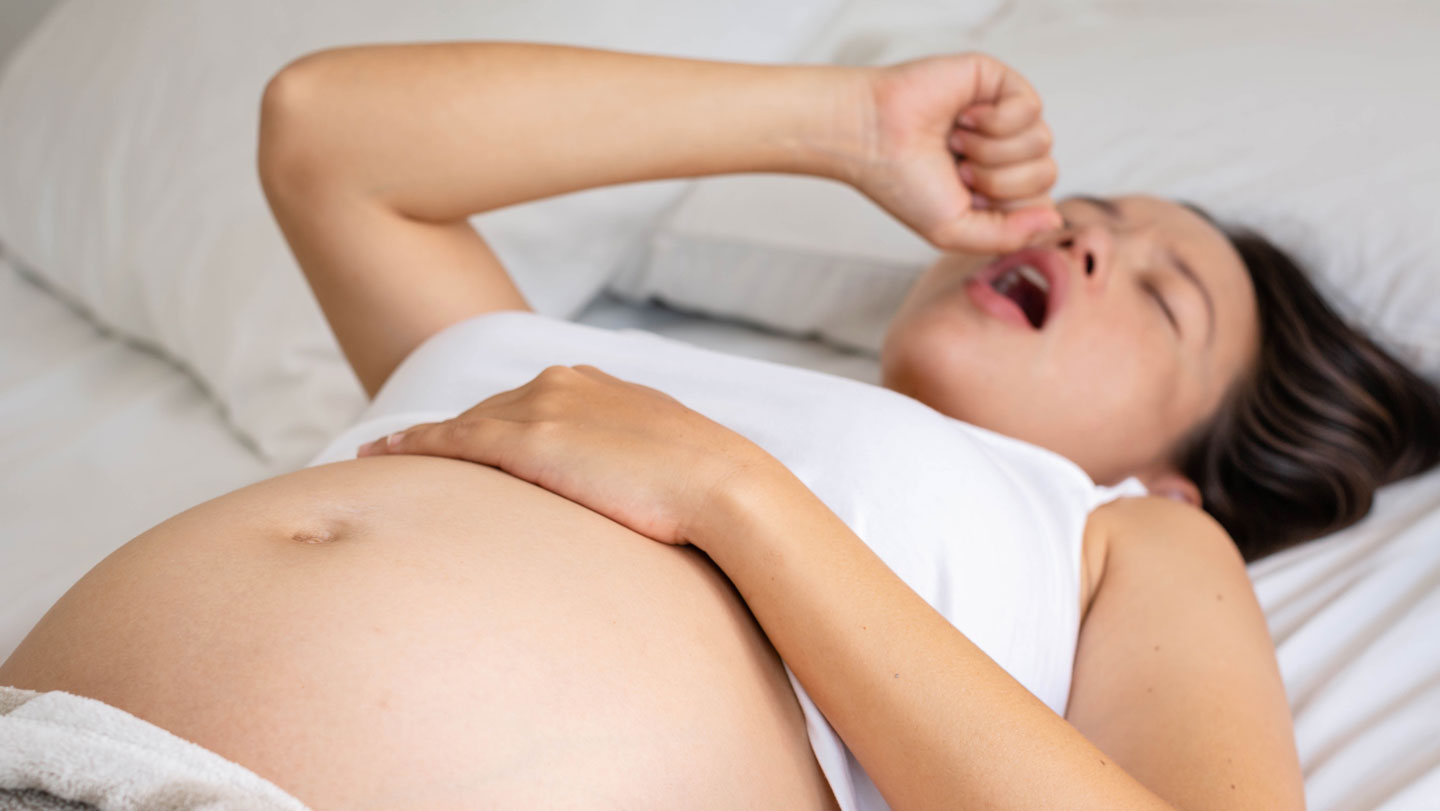
Imagine this: you’re lounging on the couch, watching a late-night show, and you let out a big yawn. Next thing you know, your partner or your dog yawns right back at you. It’s one of those everyday quirks of life that feels almost magical, like an invisible thread connecting our behaviors. But what if that same contagious yawn could start even before a baby is born? Turns out, according to a fascinating study published in Current Biology on May 5, fetuses—those little ones still kicking around in the womb—can “catch” a yawn from their moms without even seeing it. No video needed, no shared glance; just the subtle ripples of pregnancy linking mother and child in ways we’ve only begun to understand. As a neuroscientist and psychologist at the University of Parma in Italy, Giulia D’Adamo puts it so eloquently: “During pregnancy, everything is groundwork for what is going to happen next.” It’s not just about survival anymore—it’s about behavioral bonds that form before we even say hello to the world. In a time when we’re bombarded with news about tech, pandemics, and politics, stories like this remind us of the wonders tucked away in the simplest human (and pre-human) moments. Yawning, once dismissed as mere sleepiness, might be a hidden language whispered from mother to child, setting the stage for empathy, connection, and maybe even a lifetime of infectious laughs.
Yawning has always been this universal thing—something we share with lions, dogs, parakeets, and yes, even our fellow humans. Picture a family dinner where dad’s yawn sets off a chain reaction, everyone stretching and rubbing their eyes, feeling that irresistible pull. Scientists think it started as a way to cool down the brain, boosting blood flow and keeping us alert when we’re starting to fade. But over time, it’s evolved into something social, too—a built-in mechanism to synchronize groups. Ever noticed how yawns ripple through a classroom or a meeting? It’s like an ancient signal saying, “Hey, we’re all in this together.” And get this: yawns might even be a primal form of empathy, mirroring others’ feelings to build trust and harmony. Think about it in the animal kingdom—a lioness yawns, and the pride yawns back, strengthening their pack. For us humans, it’s similar; it’s why toddlers yawn in response to their parents, or why couples start yawning at the same time during lazy Sundays. But here’s the kicker: yawning begins way before we can even yawn socially. Scientists have observed fetuses yawning in the womb, where it plays a crucial role in brain development. Those early yawns ensure the muscles, nerves, and pathways for breathing and facial expressions are all wired up properly. It’s like prenatal exercise, preparing the tiny body for life outside. Fascinating, right? And while we’ve known about these automatic yawns for ages, the idea that a mom’s yawn could trigger one in her unborn baby? That was sci-fi territory until this study.
The researchers wanted to dig deeper into this mother-fetus connection, so they set up a clever experiment with 38 women in their third trimester of pregnancy. You know, that stage where the bump is big, the kicks are constant, and every little thing feels like a miracle (or a marathon, depending on your day). These moms were shown videos of people yawning—think staged clips where actors dramatically open their mouths wide, mimes and all. Meanwhile, cameras captured the moms’ reactions, and ultrasounds kept an eye on their babies. It was a mix of high-tech and homespun: women comfy in chairs, maybe sipping tea, while tiny waves on a screen revealed fetal movements. D’Adamo and her team were testing a hunch—that the physical vibes of a mother’s yawn might echo through the womb. After all, moms and babies are linked in so many ways: shared hormones, joint rhythms, that invisible dance of life. Was this just another coincidence, or was there something cosmic going on? The setup felt intimate, like eavesdropping on a whispered conversation between mom and unborn child. No wonder the team chose late pregnancy; by then, yawns are more common, and ultrasounds can catch even the slightest fetal stretch. It was a controlled way to peek into the unseen world of prenatal bonding, where a simple yawn video could unlock secrets of empathy before birth.
When the results rolled in, they were nothing short of astonishing—and undeniably cute, if you think about it. About 64% of the mothers yawned at least once in response to the video. I mean, who can resist? Watching someone yawn on screen is like watching popcorn pop; it’s addictive. But the star of the show was the fetuses. Over half of them yawned too—and get this—not randomly, but roughly a minute and a half after their moms did. That’s a lag, sure, but in yawn-contagion terms, it’s lightning-fast. For humans, the “catching” window stretches up to five minutes, so 90 seconds? That’s practically instant. Statistically, it was clear: fetal yawns were way more likely when following a maternal one than popping up on their own. Imagine the adorable chaos—a mom yawns, then her little one yawns back in the ultrasound feed. It paints a picture of connection that’s both scientific and heartwarming. One mom in the study recalled feeling a gentle stir in her belly right after her yawn; turns out, her baby was responding. It’s the kind of data that makes you go “aww,” proving that even in the womb, babies are tuned into their moms’ cues. The researchers crunched the numbers—timing, frequencies, controls—and the link held strong. Suddenly, prenatal yawns aren’t just reflex; they’re a bridge across the amniotic veil.
D’Adamo suspects the “how” might involve good old biology. When a mom yawns, the motion could press on the uterus, sending a subtle signal to the fetus: “Time to mirror me!” Or maybe hormones play a role—pregnancy’s cocktail of oxytocin and others might amplify empathy signals, prompting the baby to yawn in sync. It’s like a hormonal email sent straight to the womb. Future studies could mix things up, testing women at different pregnancy stages or even dads (though that might not work as well). Why does it matter? Well, beyond the “wow” factor, understanding this could teach us about early brain wiring and empathy. Those fetal yawns might not just be prep work; they could foreshadow social skills post-birth. For instance, babies who catch yawns in utero might grow up more attuned to others’ emotions—a head start on kindness. In a society fixated on screens and schedules, this research whispers, “Hey, the basics are still powerful.” It’s a reminder that human connection starts early, maybe even with a yawn. D’Adamo’s team is excited for more layers; perhaps yawns help fetuses practice breathing or bond emotionally. Whatever the reason, it’s clear: mothers don’t need words to teach life lessons—their bodies do it instinctively.
In wrapping this up, yawns aren’t just sleepy signals anymore; they’re windows into our shared humanity, starting before we draw our first breath. This study nudges us toward bigger questions about nature versus nurture, and how tiny behaviors build lifelong empathy. Sure, we need more research—on hormones, ultrasounds, and broader applications—but for now, it’s a delightful discovery. Next time you yawn around a pregnant friend, think of it as a hello to her baby. In the end, as D’Adamo says, the real social magic unfolds after birth, but this? This is groundwork for it all. Let’s chalk it up to another reason why pregnancy feels like alchemy, turning yawns into early love letters from mom to child. Who knows what other secrets we’ll uncover in the womb next?