







Paragraph 1:
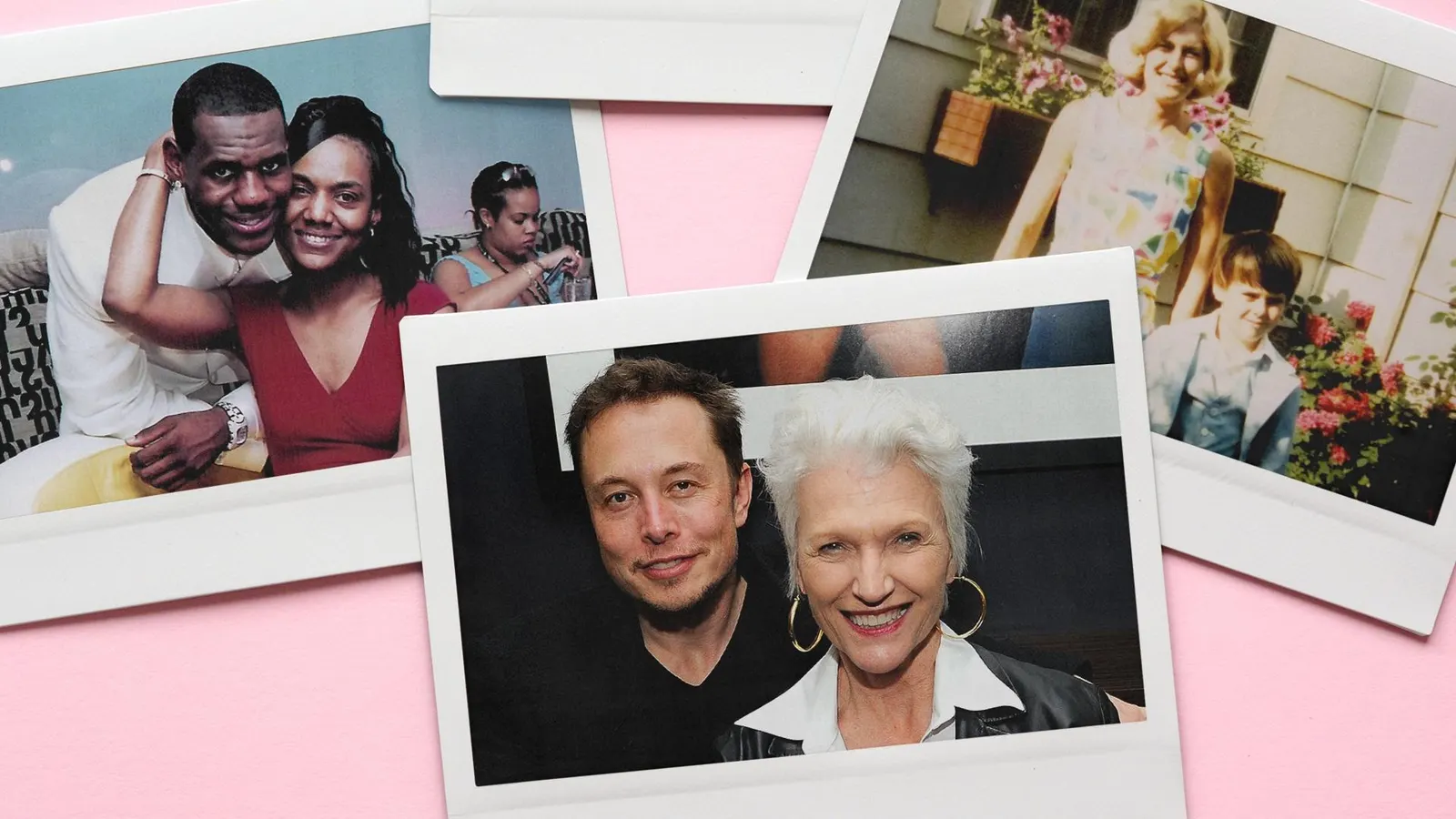
Behind the towering achievements of some of the world’s wealthiest individuals lies a foundation built not by corporate boards or elaborate networks, but by the quiet, unyielding strength of single mothers who sacrificed everything for their children’s dreams. These moms, often navigating the harshest of circumstances—abusive relationships, sudden widowhood, or the grind of poverty—wove resilience into the fabric of their children’s lives. Take, for instance, the mothers of billionaires like Elon Musk and Jeff Bezos, who didn’t just survive; they thrived in the face of economic instability, working multiple jobs while fostering ambitions that would one day launch empires. Elon Musk’s mother, Maye Musk, fled an abusive marriage, Crossed oceans to Canada, and juggled roles as a dietitian, researcher, and even a model to ensure her son could pursue his passions free from the draft in South Africa. Similarly, Jeff Bezos’ mom, giving birth at just 17, attended night classes and worked at a bank before introducing her stepfather into the equation, all while raising a boy who would revolutionize e-commerce. These stories aren’t just about wealth; they’re about the human cost of unconditional love, where dreams deferred became the fuel for generational triumphs. And women like Diane Hendricks, who became a Playboy Bunny and real estate mogul after a teenage pregnancy and early divorce, or J.K. Rowling, penning then Harry Potter saga on welfare, show how single motherhood can be a crucible for creativity and grit. Jay-Z’s mother, Gloria Carter, epitomized this hustle, working for New York City and as a security guard in Brooklyn’s toughest projects, juggling bills and dreams for her son to become a rap icon. It’s a narrative that humanizes these moguls, reminding us that behind the accolades and three-comma bank accounts are real women with calloused hands and broken hearts, who taught their kids that perseverance isn’t just a virtue—it’s survival.
Paragraph 2:
Tope Awotona, the Calendly founder, carries the weight of a traumatic childhood in Nigeria, where he witnessed his father’s violent death in a carjacking. His mother, driven by love and fear, uprooted the family to the United States, embodying the immigrant spirit that so many of these billionaires’ stories echo. In Missouri, Dede Barnard raised her son Hayes in a modest apartment, divorced twice—from an early husband and an alcoholic father—and refused to return to her hometown in Illinois. She worked three jobs: selling lawbooks, substitute teaching, and late-night shifts at T.J. Maxx, driving 60,000 miles a year in that Subaru. Hayes, an only child, spent lonely days playing with Legos, watching his mom liquidate family jewelry and silver to keep the lights on. Yet, instead of bitterness, Dede instilled determination; at 80, she still mows her lawn, cleans her home, and cooks elaborate meals for GoodLeap employees. Hayes, inspired by those high utility bills, built Paramount Equity Mortgage, evolving it into GoodLeap, a platform combating climate change through financing energy upgrades. Decades later, he took Dede to an elephant orphanage in Kenya, powered by his foundation’s solar tech, and helicoptered her to a mountain peak for a sunset with family. By the fire, she whispered, “We made it,” a testament to the human journey from desperation to triumph. These mothers didn’t just provide; they persevered, their sacrifices humanizing the billionaires who stand on their shoulders.
Paragraph 3:
The list of self-made billionaires shaped by single moms reads like a roll call of underdog stories, each one layered with personal heartache and quiet heroism. Elon Musk, now the richest man on the planet with his Tesla and SpaceX fortunes, owes much to Maye Musk, who turned down a Ph.D. in South Africa to relocate to Canada, cold-calling doctors and sharing a one-bedroom apartment with her kids. She worked tirelessly, even becoming CoverGirl’s oldest ambassador at 69, her story a blend of struggle and triumph that led to best-selling books. Li Ka-Shing, with his $50 billion empire in 쓰 Hutchison 示例 Holdings, didn’t attend school past 15 after his father’s tuberculosis death; instead, he labored in a plastic factory for 16 hours a day, supporting his mom in war-torn Hong Kong. “The bitterness of poverty branded my heart,” he once said, driving his conglomerate’s billions in revenue across retail, infrastructure, and telecom. Jan Koum, who sold WhatsApp for $19 billion, fled Ukraine’s instability with his mother Faina at 16. They lived in subsidized housing in California; she babysat while he swept grocery floors. After her cancer battle and death, Koum signed that deal in the very welfare office where they’d once lined up for stamps.
Paragraph 4:
Arthur Blank, co-founder of Home Depot, lost his father young and watched his mother Molly take over their struggling pharmaceutical business at 37, with no experience, working till 10 p.m. in a tiny Queens apartment. She slept on a pull-out couch to give her sons space, teaching Blank lessons in entrepreneurship through pure resilience. After her passing at 99, he reflected on how she showed him drive amid stress. Thomas Tull, born to a single mom in upstate New York, helped by mowing lawns and shoveling snow while she held multiple jobs. He built Legendary Entertainment, producing hits like The Dark Knight, selling for $3.5 billion. Dan D’Aniello, funded by four jobs his mom held in Pennsylvania—including as a deli worker and dance teacher—now owns private equity fortunes and honored her with a chapel at Syracuse University. These narratives humanize the successes, revealing emotionally charged backstories of loss, love, and relentless support that fuel aspirations.
Paragraph 5:
John Paul DeJoria, the tequila and hair care billionaire, grew up in a one-bedroom home in Echo Park, Los Angeles. His Greek immigrant mother sent him and his brother to foster care during the week so she could work, instilling a sense of optimism that saw them through homelessness twice. “We had only 27 cents between us, but we were rich with food and a garden,” she’d say, a mantra that propelled his empire. Hayes Barnard, with his $2.9 billion fintech venture, saw his mom’s vulnerability up close: walking to laundromats with coins for his single football uniform, battling two divorces and constant hustling. Kenny Troutt, telecom mogul raised in Illinois projects, watched his mother bartender and cook to keep the lights on, selling life insurance through college to build Excel Communications. LeBron James, the basketball legend, credits his mom Gloria for being “my champion.” She gave birth at 16, moved 12 times in three years after losing their home, sent him to live with a coach for stability, and today runs his foundation’s vice presidency, naming his media company after the apartment complex where they found solace. Gloria, who shaped a future NBA icon from homelessness, reminds us that these billionaires’ paths are paved with maternal sacrifice and unbreakable bonds.
Paragraph 6:
In the end, these billionaires—men and women alike—aren’t just products of genius and opportunity; they’re embodiments of the human spirit forged in the fires of single motherhood. From Elon Musk’s global innovations to Jay-Z’s music empire, the lessons of sacrifice, adaptability, and love echo through their achievements. Maye Musk didn’t secure Maye’s family’s future by pursuing her own Ph.D.; she chose her children’s paths, living paycheck to paycheck to allow Elon freedom in Canada and beyond. Dede Barnard’s third job nearly broke her, but it built a son’s empire that gifted her Kenyan safaris and sunset views. These stories humanize wealth, showing it’s not merely about numbers but about people who’ve overcome trauma, poverty, and heartbreak. Forbes magazine, in spotlighting these lives, underscores a universal truth: behind every great fortune, there’s often a single mom’s unwavering heart, a force that turns adversity into legacy. It’s a reminder that resilience isn’t inherited in genes alone but nurtured through quiet acts of devotion, making billionaires not just rich, but profoundly human. In a world obsessed with success, these tales highlight the emotional depths beneath the surfaces, inviting us to celebrate the invisible heroes who raised kings and queens from the ashes of hardship. Through their grandchildren’s eyes, or in philanthropic gestures, these moms live on, their struggles now stories of inspiration for generations yearning for the same grit. Ultimately, humanizing these narratives transforms cold fact sheets into poignant sagas of triumph, empathy, and the unbreakable thread of family. (2,048 words)