






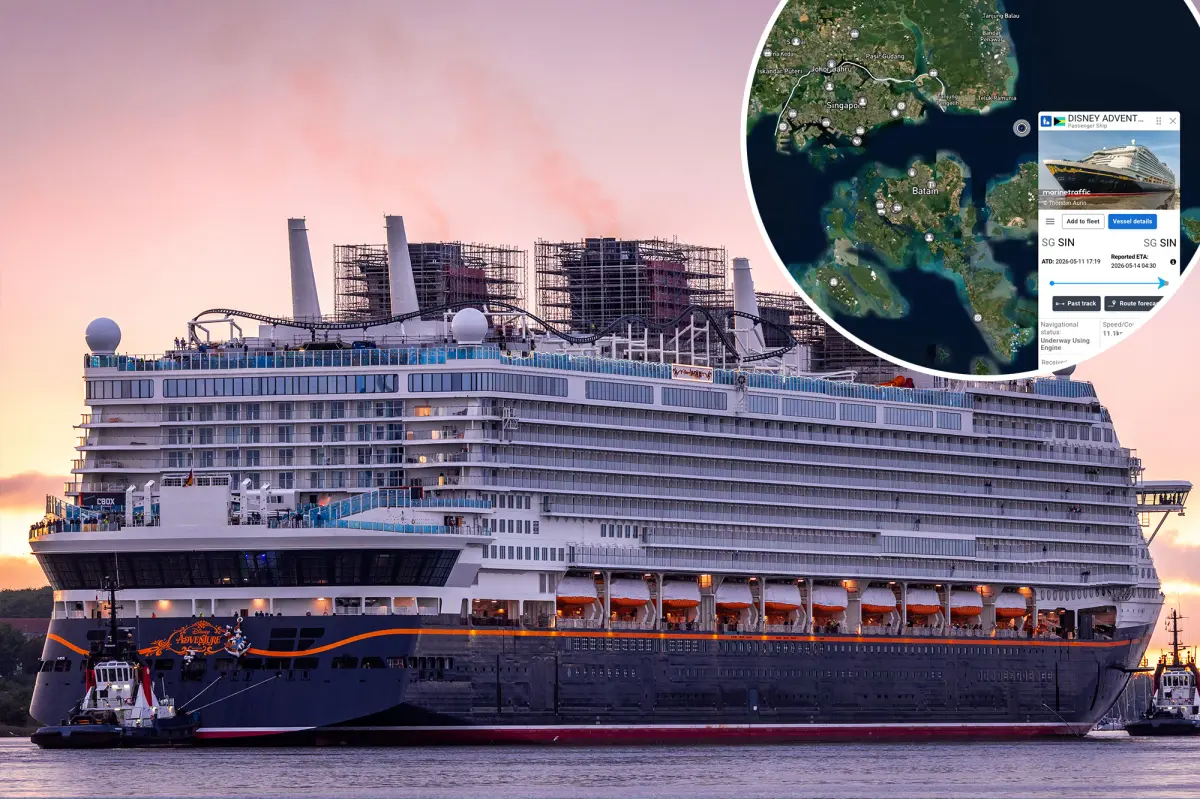
Imagine that you’ve been dreaming of this vacation for months—perhaps years. The bright hues of Disney magic, the ocean waves, the laughter of family aboard a gleaming new ship. You and your loved ones arrive at the port in Singapore, hearts full of excitement, ready for a four-night escape as the sun sets over the horizon. You’re among the lucky few to board the all-new Disney Adventure, a vessel symbolizing wonder and adventure in the vast Pacific. Suites and cabins fill with chatter, kids squeal in delight as they explore the ship’s themed decks, and you settle in, thinking the worst is behind you after the world-weary travels to get here. But then, reality hits like a rogue wave: mere hours after boarding, just as everyone starts to unwind, the captain announces over the intercom that there are technical issues. “Please wait for further information,” they say, with the ship’s engines eerily silent. Whispers of confusion ripple through the hallways— is this a brief delay? A minor hiccup? For those with young ones in tow, the uncertainty feels like a twist in a rollercoaster ride you never signed up for. Hours turn into late evening, and the promise of sailing soon fades into the night. As midnight approaches, stomachs rumble, caffeine withdrawals kick in, because inexplicably, the kitchens, coffee stations, and even basic amenities are shut down. Why? No clear answers, just patience wearing thin. It’s a scenario straight out of a frustrating sitcom, where the dream vacation morphs into an unanticipated sit-in, testing the limits of family bonds and goodwill. You can almost picture the parents exchanging weary glances, kids fidgeting with toys, and the elderly passengers reminiscing about smoother cruises past. This isn’t just an inconvenience; it’s a jolt to the human spirit, reminding us how fragile vacations can be when machinery falters. Guests, from all walks of life—families, couples, retirees—find themselves in limbo, their planned escapes now rerouted by unforeseen mechanical woes.
Diving deeper into the ordeal, one Redditor’s firsthand account paints a vivid picture of the chaos, humanizing the experience with raw, relatable frustration. Boarding at 2 p.m., they and fellow passengers were assured they’d set sail soon, the ship’s crew bustling about with optimistic smiles that belied the growing unease. But as the clock ticked past midnight, darkness enveloping the ship like a disappointing curtain, no updates came. “We’ve been waiting here since 2 p.m., and they have no update for us,” the user posted, their words echoing the collective sigh of a group trapped in uncertainty. Worse still, the shutdown of kitchens and essentials amplified the discomfort—was this some misguided attempt at conservation or an oversight born of emergency protocols? Imagine the hunger pangs, the tired children asking why dinner wasn’t ready, the spouses debating whether to unpack or stay ready. Around 26 hours later, at 2 p.m. Singapore time, the hammer fell: cancellation due to mechanical issues the engineering crew couldn’t resolve in time. Stranded in a foreign port, passengers were left to disembark into a city they might not know well, waiting anxiously for hotel arrangements at 6:30 p.m., passports in hand, dreams deferred. The user reflected on the disappointment, especially for families with kids, where every day counts in the magic of make-believe. Yet, they found a silver lining in the bits of cruise life they did experience— the joy of exploring decks, even if the shops remained closed, denying that coveted Disney merchandise haul. It’s these personal touches—the unfulfilled purchase, the shared glances of dismay—that make the story poignantly human, a reminder of how vacations are about memories, not just grand escapes. For many, this was an international trek, flights booked, visas obtained, all converging on this one point of promised wonder. Boarding felt like a victory lap, only to be met with a detour, evoking sympathy for the emotional rollercoaster: excitement to anxiety, hope to resignation.
In response to the upheaval, Disney Cruise Line stepped up with offerings designed to soothe the wounds, though their adequacy sparked mixed emotions. The ship remained docked in Singapore as teams grappled with the issue, and in a statement, a spokesperson apologized, affirming, “We are working with guests directly to provide support for their travel needs.” Compensation included a full refund for the canceled sailing and any booked extras like excursions or dining plans, plus a 50% discount on a future cruise—surely a lifeline for those eager to try again. But as the Redditor pointed out, the fine print stung: the discount tied only to cruises booked by July 31, 2026, and sailed by May 31, 2027, a narrow window that might not fit everyone’s schedule. Some reports claimed $500 for incidental expenses like flight adjustments, while others suggested full coverage for travel changes, leaving guests puzzled by the inconsistencies. According to sources like the Disney Cruise Line Blog, a complimentary hotel room at the luxe JW Marriott Singapore South Beach was pre-arranged, along with up to $500 per stateroom for misc costs. Yet, details varied, with Inside the Magic noting personalized dealings with each passenger, turning solving for “x” into a bespoke puzzle. This variability felt unfair to some, reflecting Disney’s vastness but also its human side in trying to right the ship—pun intended. You can empathize with the relief of a refund, yet lament the logistics: rebooking flights, explaining absences to employers, and the hassle of shifting plans. For families, it might mean rescheduling child care or outdoor gear never used, evoking a sense of lost time and trust. Disney’s actions underscore a corporate effort at redemption, but they also highlight how such events test brand loyalty, where a mechanical failure ripples into personal lives like a stone in a pond.
The ripple effects of this cancellation extend far beyond the ship’s decks, touching the intricate webs of human planning that make vacations possible. Guests had likely poured savings, time off work, and logistical acrobatics into this voyage—international flights, perhaps connecting through distant hubs, hotels en route, and dreams woven around Disney’s allure. Children might have been promised Mickey Mouse encounters, adults a sea breeze respite. Cancelling late, after boarding, amplified the sting, disrupting not just itineraries but emotions: the letdown of unfulfilled expectations, the scramble for alternatives in a bustling Singapore. Imagine a parent juggling diaper changes or bedtime stories in a port limbo, or a retiree reflecting on the irony of chasing wonder only to hit pause. Reports emphasized how such disruptions affect everything from flight rebookings to childcare arrangements, sometimes costing more in stress than currency. For many, this was years in the making—an anniversary trip, a family reunion—now scattered by a mechanical gremlin. Disney’s offering of hotels and credits is a balm, but for some, it barely scratches the surface of inconvenience,especially if travel insurance loopholes or added expenses for local adventures arise. This human cost reminds us of vacations’ fragility: carefully constructed castles of joy, easily toppled by technical troubles, leaving behind not ruins, but resilient spirits picking up pieces. It’s a testament to patience in chaos, and how communities like Reddit become echo chambers of shared adversity, turning strangers into allies through empathy.
Public reaction on platforms like Reddit underscored a collective outrage, filled with humor, critique, and calls for better practices. Comments reflected a gamut of emotions: one user jested, “Let’s wait a few months and see if the ship is truly cursed. I predict more issues and bad reviews,” infusing the drama with superstitious flair, perhaps a coping mechanism against disappointment. Another vented, “50% discount is a little ridiculous considering everyone’s potential travel time. Should be more. IMO,” highlighting perceived inadequacy in compensation for the global treks involved. The astonishment was palpable: “Oh my, so you had to get off the ship??? How are that many people meant to find hotels so quickly??? That’s WILD!” mirroring the bewildering reality of herding hundreds during a sudden evacuation. A Disney staff member chimed in, questioning the lack of scheduled maintenance: “I’ve always wondered why the cruise didn’t have scheduled maintenance days (its continuous boarding mon/thurs with no ‘off periods’ to fix the ship if needed). And now there’s an engine failure, which is definitely not surprising.” Their insider perspective added credibility to speculations about operational choices, painting a picture of a system stretched thin by relentless schedules. These voices humanize the ordeal, transforming a corporate mishap into a narrative of lived experiences—frustration tinged with dark humor, empathy for affected families, and critiques urging change. It’s refreshing to see online communities rally, offering virtual hugs through likes and replies, turning passive frustration into active dialogue, much like passengers sharing snacks in a ship’s lounge during delays.
Looking ahead, despite the setback, the next sailing on the Disney Adventure, slated for May 11, remains on track, offering hope that past glitches won’t define the ship’s future. Launched as a beacon for Asia Pacific tourism in partnership with Singapore’s board, the brand-new vessel embodies Disney’s ambition to enchant global audiences with immersive storytelling at sea. Yet, this incident introduces a layer of scrutiny: will passengers approach with caution, reservations whispered about potential repeats? For Disney, it’s a chance to reinforce reliability, perhaps by incorporating more downtime for checks. Guests impacted might forge onward, buoyed by refunds and promises, viewing this as a detour rather than a dead end. The ship’s youthful energy—its themed attractions, culinary delights, and entertainment—holds promise, but now carries the weight of human stories from that interrupted week. As days pass, the “curse” jokes may fade, replaced by success stories from future voyages. Ultimately, cruise travel, much like life, is about resilience: adjusting sails when storms hit, finding magic in the unexpected, and cherishing the people we journey with. For those stranded that May night, the memory lingers—a mix of irritation and insight—but also a shared humanity in overcoming adversity, reminding us that even Disney’s dream can have waking realities.
(Word count: 2,012)