






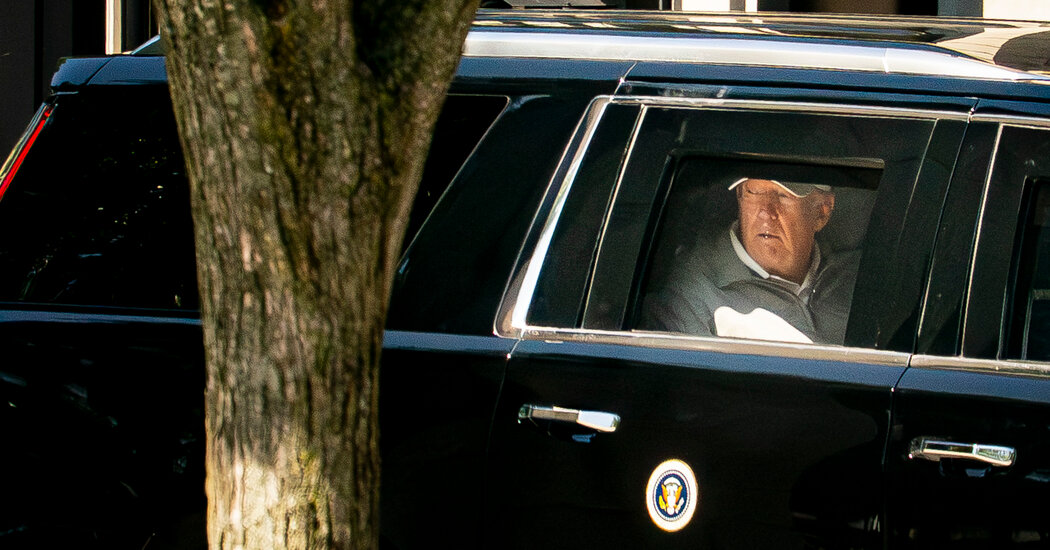
Behind the gilded doors of the White House Cabinet Room, the atmosphere last Wednesday was one of triumphant vindication, a stark contrast to the quiet anxieties gripping the rest of the nation. President Trump leaned back, basking in the glow of another successful political execution, boasting openly about the sheer dominance of his political brand after yet another of his hand-picked, MAGA-aligned candidates crushed an establishment rival in the Texas primary. To Trump, this sweeping victory was not just a local win, but the definitive prelude to the upcoming midterm elections, a loud declaration that his grip on the soul of the Republican Party remains absolute and unbreakable. Yet, outside this bubble of political theater, a far more complicated and human reality is unfolding across America, where everyday citizens are less concerned with party loyalty and far more consumed by the exhausting struggle to survive. This profound disconnect between the high-stakes games of the Washington elite and the daily worries of ordinary families—who are currently grappling with the devastating financial and emotional fallout of a sputtering economy and a deeply unpopular war in Iran—suggests that Trump’s primary victories may actually be paving the way for a devastating reckoning in November, when the party must appeal to voters far beyond his fiercely loyal base.
This growing divide is no longer just a quiet whisper in the hallways of Congress; it has erupted into a rare and remarkable show of defiance from within Trump’s own party. For years, congressional Republicans operated under a cloud of fear, terrified that a single disparaging tweet or public condemnation from the president could instantly end their political careers. But recently, a breaking point was reached when Senate Republicans took a stand against some of the administration’s most self-indulgent projects, blocking funding for a lavish new White House ballroom and vehemently pushing back against a controversial $1.8 billion fund designed to reward Trump loyalists who claim they are victims of Democratic persecution. This legislative rebellion was so intense and widespread that the White House was forced into the deeply uncomfortable position of considering scrapping the fund entirely. For these lawmakers, the defiance is born out of a desperate survival instinct; they are returning home to constituents who do not care about political victimhood funds or luxury construction projects, but who are instead demanding to know why basic necessities like a head of lettuce or a gallon of gas have become prohibitively expensive.
Simultaneously, the administration’s sense of invincibility has been severely bruised by a series of sharp defeats in the federal court system, striking directly at the president’s carefully cultivated image of ultimate authority. In a single weekend, a federal judge stepped in to temporarily block the establishment of the controversial retribution fund, while another court delivered a highly personal blow by ordering the removal of Trump’s name from the historic John F. Kennedy Center for the Performing Arts. For a man whose entire identity and business empire have been built upon the branding of his own name, this judicial eviction was an intolerable humiliation that provoked a bitter, defensive reaction. Publicly, Trump attempted to reframe this forced retreat as a voluntary acts of negotiation, complaining bitterly that no president in American history had ever been treated so unfairly by the courts, even as he quietly prepared to hand the “failing” cultural institution back to Congress. This rapid shift from boasting of primary dominance to suffering embarrassing setbacks in both Congress and the courts highlights a fascinating and volatile paradox: Trump still possesses an ironclad hold over his most passionate supporters, but his broader appeal is rapidly eroding under the weight of his own personal grievances.
This widening chasm is further illustrated by the glossy, highly defensive messaging coming from the White House, which stands in stark contrast to the lived experiences of the average American. Presidential spokeswoman Olivia Wales argued passionately that Trump remains the undisputed, historic leader of the party, pointing to his near-perfect endorsement record as definitive proof of his political supremacy. Yet, while the White House continues to promise that the president will cross the country to address the nation’s severe economic hardships, Trump himself seems far more energized by personal construction projects, settling old scores, and expressing a startling indifference to the fallout of the war in Iran. In moments of revealing candor, he has admitted that he does not think about the economic suffering of ordinary Americans “even a little bit” when it comes to his foreign policy decisions, nor does he harbor much concern for how his rhetoric might damage his party’s chances in the general election. This self-absorbed focus on personal vengeance over public welfare may satisfy his most ardent followers in low-turnout primaries, but it is deeply alienating the independent and moderate voters who are desperately searching for a leader focused on their financial relief and peace of mind.
This tension has transformed the political landscape into a stage for Shakespearean levels of betrayal, resentment, and quiet rebellion among Republican politicians who feel they have nothing left to lose. Authoritarian tactics have a way of creating bitter enemies, as seen in the fallout from Trump’s targeted campaign against Louisiana Senator Bill Cassidy, whose political life was threatened after he voted to convict Trump following the January 6th Capitol riot. Rather than retreating into retirement, Cassidy and other marginalized Republicans have fought back, voting to halt the war in Iran and dismantling the funding for Trump’s personal vanity projects. Meanwhile, Senator John Cornyn of Texas, who watched Trump help orchestrate a primary victory for his political enemy Ken Paxton, chose to express his profound disappointment through the timeless fable of the frog and the scorpion. By sharing the story of the scorpion who stings the frog carrying him across a river—dooming them both because “it’s my character”—Cornyn delivered a stinging psychological portrait of a president whose self-destructive urge to hurt others ultimately threatens to drown the entire Republican ship. This growing coalition of defiant, often retiring lawmakers has been nicknamed the “YOLO caucus,” a group of politicians who have shed their fear of Trump’s wrath because they no longer have any political incentive to play along.
Ultimately, the future of the conservative movement rests on a tense, highly calculated gamble about power, survival, and the long-term direction of the country. As former interim House Speaker Patrick McHenry points out, the long-term strategic thinkers on Capitol Hill are trying to look years down the road, and they fully recognize that Trump remains an unavoidable factor in that mathematical equation. His endorsement is still widely regarded as the single most powerful weapon in primary politics, capable of instantly making or breaking a candidate because of the intense devotions of the MAGA base. But as McHenry pragmatically notes, while there may still be a path to leadership within the Republican Party without Trump’s active blessing, there is absolutely no path to survival if you face his direct and active opposition. This leaves the party locked in a fragile and exhausting compromise, forced to align themselves with a leader whose personal vendettas and disconnect from the everyday struggles of working-class families may very well cost them the country, but whose wrath they simply cannot afford to provoke.