





The Ocean’s Hidden Battlefield: A Looming Threat to Global Stability
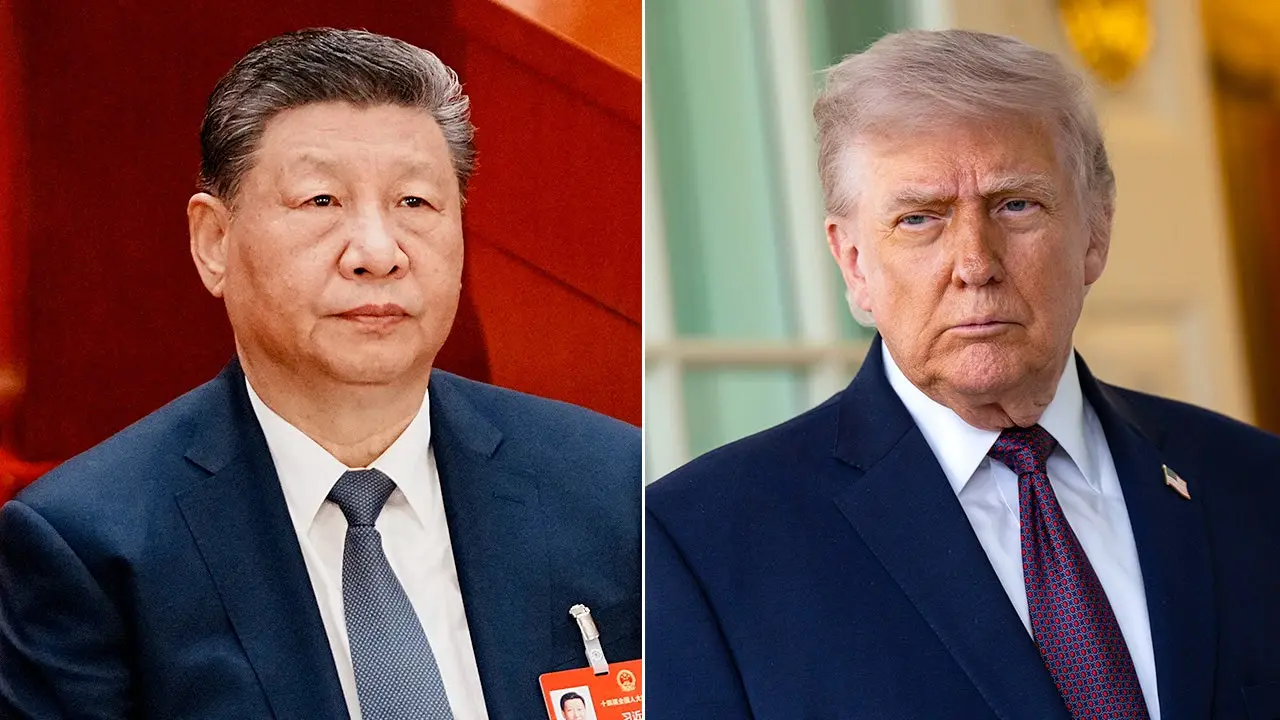
Imagine living in a world where the internet suddenly vanishes, your bank accounts freeze inexplicably, and power grids flicker without warning—all because of something lurking beneath the waves. That’s the chilling reality Andrew Badger, a former U.S. intelligence official and chief strategy officer at Coalition Systems, painted in a recent warning. Badger isn’t some alarmist; he’s a Pentagon veteran who’s seen the darker side of geopolitics up close. He told Fox News Digital that adversaries like China are eyeing the world’s undersea cables as a weapon of choice, capable of inflicting “devastating economic chaos almost at will.” These aren’t just ordinary wires—they’re the fragile lifelines carrying 99% of global data and supporting up to $10 trillion in daily financial transactions. Picture it: every email you send, every online purchase, every international call relies on these thousands of miles of cables snaking across ocean floors, like an exposed nervous system connecting economies, militaries, and societies worldwide. With tensions ramping up, especially as President Donald Trump gears up for talks with Chinese President Xi Jinping in Beijing—discussions expected to cover trade, artificial intelligence, and the ever-volatile Taiwan situation—Badger’s message serves as a wake-up call. The U.S. isn’t just facing higher gas prices or trade disputes; it’s confronting an invisible front line that could cripple modern life faster than a cyber attack on a single city.
What’s even more unsettling is why these cables are so vulnerable. Laid across vast ocean trenches, they’re out of sight and often out of mind—until something goes wrong. Taiwan, that flashpoint in U.S.-China relations, has reported about 30 subsea cable incidents in recent years alone, with Chinese vessels allegedly severing lines and cutting off communications for months at a time. Experts like the EU’s top diplomat have slammed such events as no “mere coincidence,” pointing to patterns of aggression from both China and Russia. It’s not just random; these disruptions often happen in “gray-zone” operations, where attackers probe vulnerabilities without crossing into open war. Think of it like a slow boil on the stove—enough to make you uncomfortable but not enough to burn the house down. Yet, for Taiwan, these incidents highlight a broader vulnerability. The island nation is a self-governing democracy that China claims as its own, and the U.S., Taiwan’s biggest unofficial backer, supplies arms under a law meant to help it defend itself. In the Taiwan Strait, these cables aren’t just infrastructure; they’re potential targets in a proxy war. If China wanted to strangle Taiwan’s connectivity without firing a shot, severing these lines could hobble shipping, trade, and even emergency responses. Badger draws a stark parallel, saying, “America depends on the fragile nervous system of subsea cables for modern life,” and warns that adversaries are turning the ocean floor into a battlefield. With modern life so intertwined—froze toasting coffee makers linked via smart grids—such attacks could ripple outwards, disrupting everything from stock markets to Zoom calls.
An Asymmetrical Game: Why Defenders Are Outmatched
Badger doesn’t mince words when he describes the threat as asymmetrical: China and Russia are pouring resources into attacking undersea infrastructure at a rate far outpacing U.S. defenses. It’s like two teams in a game—one practices offense relentlessly while the other sticks to offense only, forgetting defense entirely. “They’ve identified one of our greatest vulnerabilities, and we haven’t caught up,” Badger explained, emphasizing how a coordinated strike could yank the rug out from under our digital world. Imagine waking up one morning to find the internet down, ATMs spitting out error messages, energy markets freezing with oil prices spiking, and military communications going haywire—all because a few cables were snipped miles beneath the surface. The dollar cost? Incalculable, he says, but the real horror is the chaos: panic in the streets, political instability, and a sense of helplessness that could erode public will. We’ve seen glimpses of this in smaller scale—accidents, sure, but also deliberate acts that feel like dry runs for something bigger. Take Taiwan’s experiences; vessels dragging anchors might seem accidental, but when Chinese-flagged ships are involved repeatedly, it reeks of intent. Badger calls this “hybrid warfare in its purest form,” a way to weaken enemies without declaring war. It’s sneaky, effective, and leverages deniability—plausible excuses like “oops, the anchor slipped” mask calculated sabotage. For Russia, similar tactics have surfaced in warnings from Western allies, echoing concerns over Baltic Sea disruptions. The U.S., meantime, is scrambling. We rely on these cables for so much military intel, satellite data, and logistics that losing them could blind the Pentagon faster than any missile. Yet, defenses are spotty: patrols are rare, monitoring is inconsistent, and the technology to quickly repair deep-sea cuts lags. In Badger’s view, it’s not just about protecting wires; it’s about safeguarding our way of life from foes who see the ocean as the ultimate equalizer.
Bipartisan Calls for Action: Legislation to Fortify the Depths
Amid this growing unease, U.S. lawmakers are stepping up. Senate Republican Whip John Barrasso from Wyoming, teaming up with Democrat Sen. Jeanne Shaheen from New Hampshire, introduced the bipartisan Strategic Subsea Cables Act of 2026 back in April. It’s a fresh attempt to beef up security for these vital lines, pushing for better oversight, funding for tech upgrades, and international cooperation. “Undersea cables are important for a variety of reasons. They carry 99% of the world’s internet traffic. They also support $10 trillion in financial transactions each and every day,” Barrasso pointed out in a statement, underscoring the stakes. Without such measures, the U.S. risks falling further behind—after all, these cables are global commons, linking continents but presently defended unevenly. The act aims to enhance resilience, perhaps through redundant pathways or advanced surveillance, to counteract threats that feel oddly casual yet devastatingly effective. Meanwhile, reports from China’s Ministry of Natural Resources reveal just how advanced the aggressors are: in April, they successfully tested an “electro-hydrostatic actuator,” a sleek device that can slice through armored submarine cables at depths up to 3,500 meters—deeper than the Mariana Trench. That’s engineering prowess turned weaponized, allowing precise cuts where repair ships might take weeks to respond. Experts warn this isn’t isolated; similar tech could target U.S. shores, amplifying the economic blackmail potential. Badger ties this back to broader strategy: China isn’t just raiding the cables for data—it’s building leverage. With crises like the Strait of Hormuz chaos fresh in mind, where shipping disruptions spiked oil tensions, the message is clear: undersea sabotage offers Beijing and Moscow a low-risk way to cripple rivals.
From Probing to Profiting: Hybrid Warfare’s Subtle Power
Badger’s warnings evolve into a narrative of strategic leverage: “Cables give Beijing and Moscow the ability to inflict devastating economic chaos almost at will,” he told Fox News, explaining how these acts can probe Western responses while staying under conflict’s radar. It’s like a psychological game—small cuts here, disruptions there—to gauge reactions and erode deterrence over time. In Taiwan’s case, China might use cable attacks as a non-military deterrent: if the U.S. ramps up support for the island, Beijing could hit American landing sites, not to conquer but to break public will. Imagine headlines sparking “Are We Intervening in a Mess We Can’t Control?” and suddenly, opinion polls shift, backing isolationism without a full-scale fight. This hybrid approach—blending state actors, private vessels, and deniable tactics—echoes historical cyber maneuvers but with a physical twist. Ships with deep-sea rovers could wander “accidentally” into cable zones, coordinating from afar. For Russia, it’s a sidebar to their European escapades; for China, it’s central to asserting dominance. Analysts point to the Taiwan Strait as ground zero, a narrow waterway buzzing with commercial vessels and, increasingly, AI infrastructure. Subsea cables ferry the data powering artificial intelligence, from cloud computing to neural networks, and damaging them could stall the AI revolution—a sector China and the U.S. are fiercely competing in. Oxford Internet Institute’s Anniki Mikelsaar notes this surge: “Growth in AI’s use means rising capacity requirements on submarine cables.” It’s a double-edged sword—vital for innovation but ripe for exploitation. Yet, not every break is malicious; the International Cable Protection Committee estimates 150 to 200 global cable snaps annually, most due to accidents like fishermen’s anchors or shifting seabeds. Still, the pattern of suspicious incidents in contested waters—Europe, Taiwan, beyond—raises alarms that some are orchestrated rehearsals.
The Bigger Picture: Why We Must Protect What Lies Beneath
Zooming out, this undersea vulnerability isn’t just about cables; it’s a mirror to our interconnected world. As digital economies boom—think trillion-dollar fintech and remote work booming post-pandemic—reliance on these underwater highways has never been higher. China sees this as an asymmetric advantage, investing in cutting-edge tech while the West scrambles. Badger’s Pentagon background gives him firsthand insight: “A coordinated strike on American undersea infrastructure could fundamentally disrupt our way of life.” It’s easy to dismiss as scaremongering, but consider real fallout—supply chains halt, markets crash, and nations question alliances. The Trump-Xi meetings loom large here, with AI and Taiwan at the forefront; yet, without addressing cables, trade talks could underscore hollow promises. Taiwan’s 30-plus incidents serve as a warning bell, with China testing boundaries and the U.S. obligated to respond under support laws. Russia’s parallel moves suggest a coordinated front, probing NATO’s edges. Defending assumes urgent priority: more allied patrols, sensor networks, and perhaps private-sector partnerships, since companies like Google and Microsoft own many cables. It’s not just governments—corporations must shoulder the load too. Accidents abound, as Mikelsaar reminds us, but the intentional ones signal intent. Ignoring this leaves us exposed to foes willing to fight covertly, leveraging the ocean’s depths for geopolitical gain.
Turning Vulnerability into Strength: Lessons for the Future
Ultimately, the undersea cable crisis demands a human response—reimagining security in an era of invisible threats. We’ve learned from past surprises, like 9/11 exposing airport gaps, turning weaknesses into fortified systems. Here, cooperation is key: U.S. leaders pushing bipartisan bills signal unity, inviting global pledges to map and monitor cables. For everyday folks, it means appreciating the unseen pillars of our lives—from banking apps to Netflix streams—all reliant on quiet heroes beneath the waves. Badger’s call to action resonates: “This gives both nations tremendous strategic leverage over the U.S.” Reversing that leverage means matched investments, rapid-repair tech, and deterrents that rival the threats. As AI surges and Taiwan tensions simmer, protecting these cables isn’t optional—it’s essential to preserve prosperity and peace. Without it, the chaos could redefine our world, one severed line at a time.