





Paragraph 1: A Twist in Global Mediation
In the ever-shifting sands of international diplomacy, Pakistan found itself at the center of a geopolitical storm, denying allegations that it had allowed Iranian aircraft to refuel or hide out on its soil during a delicate peacemaking mission between Tehran and Washington. Imagine this: A nation long caught in the crossfire of world powers, Pakistan stepped up as a neutral ground, offering airfields to both sides to foster talks. But then came the CBS bombshell—reports that Iran might have slyly parked its planes in Pakistan to dodge potential American airstrikes, like a chess move under the table. Pakistan’s foreign ministry shot back swiftly, calling the story “misleading and sensationalized,” aimed at sabotaging fragile efforts toward regional peace. It’s not unlike a host at a bitter family reunion trying to为大家 keep the peace amid whispered rumors. After Iran and the US agreed to a short-lived ceasefire following some fiery exchanges around the Strait of Hormuz, these talks in Islamabad seemed like a ray of hope. Iranian planes supposedly touched down at bases like Nur Khan, near Rawalpindi, which is more than just an airstrip—it’s a bustling hub where logistics buzz like a busy airport in peak season. One standout was an RC-130, that reconnaissance beast from the Iranian Air Force, reportedly squirreled away there. Pakistan explained it away as part of facilitating diplomats and security teams for the ongoing dialogue. But why the fuss? It underscores how trust in diplomacy can fray at the edges, turning allies into suspects overnight. For Pakistan, a country that’s juggled friendships with both the US and Iran—trading strategic partnerships with one and geographic ties with the other—this wasn’t just about logistics; it was a test of its balancing act. President Donald Trump’s administration saw Pakistani leaders as reliable intermediaries, yet whispers of Iranian asset concealment painted a shadow over that goodwill. In this high-stakes game, where every plane’s movement could tip the scales toward war or peace, Pakistan’s denial felt like a firm stand: “We’re not sheltering anyone’s war toys; we’re just opening doors for talks.” The report suggested something more covert—an Iranian gambit to protect its aerial fleet while diplomats chatted. It highlighted Nur Khan’s role as a vital spot, not just for Pakistan’s own forces but as a makeshift motel for foreign aviators. Such accusations could unravel months of relationship-building, where Pakistan, under leaders like Prime Minister Shehbaz Sharif and Army Chief Asim Munir, had emerged as peacemakers. Sharif’s optimism after initial talks underscored the human stakes: real hopes for stability in a volatile region where every bombed-out port or fired missile affects lives on the ground. The ministry’s statement emphasized temporary stays for anticipated future rounds, countering the narrative of secrecy. Yet, this wasn’t Pakistan’s first rodeo with mediation—its history of hosting talks reflects a cultural knack for bringing foes together, perhaps rooted in centuries of bridging diverse empires. Humanizing this, think of it as a neighbor mediating a feud, only to be accused of hiding one side’s getaway car. Trump’s later praise hinted at deeper appreciation, but the specter of ulterior motives lingered, risking Pakistan’s carefully crafted image as an honest broker. As tensions simmered, involving airstrikes and ceasefires, the core question remained: Was this a genuine error in reporting, or a calculated leak to expose hidden agendas? For everyday Pakistanis, watching their leaders navigate this minefield must feel like rooting for underdogs in a superpower showdown.
Paragraph 2: The Airfield Allegations Unpacked
Diving deeper into the heart of the controversy, the CBS report painted a picture of strategic intrigue that could make any thriller writer jealous. Picture this: Shortly after Trump’s ceasefire announcement in early April, Iranian aircraft, including that formidable RC-130 Hercules variant, allegedly fluttered into Pakistani airspace. This isn’t just any plane— it’s a flying intelligence hub, capable of spying and surveillance, essentially a modern-day owl with a high-tech gaze. Nur Khan Airbase, a sprawling facility nestled near Rawalpindi, became the unexpected stage. As the Pakistan Air Force’s logistical backbone, it’s a place where mechanics tinker, pilots train, and global logistics converge. The article claimed Iran positioned these assets there not just for routine diplomacy but to shield them from US wrath if talks soured. Pakistan countered with details of their official statement: Yes, planes from both sides touched down to shuttle diplomats, security personnel, and staff. Iranian folks stayed on briefly, awaiting more negotiations—a logistical nod to optimism, not subterfuge. But the timing felt uncanny. Days after the April ceasefire, sparked by bombings and threats in the Strait of Hormuz, these movements hinted at caution. It was as if Iran was playing a game of hide-and-seek with its key tools, leveraging Pakistan’s mediatorship for cover. For human eyes, consider the stress on Pakistani officials: Balancing US aid and influence with Iran’s proximity means threading a needle daily. Nur Khan, often in the media as a stronghold, reportedly housed these guests temporarily. Yet, Pakistan labeled it routine, denying any “concealment” narrative that could undermine peace. This episode echoed broader worries—America’s concerns over Iran’s drone repositions and deployments, possibly amid Russian drills adding another layer. The report even touched on a civilian craft potentially sent to Afghanistan during the conflict, but Pakistan steered clear, focusing on mediation’s purity. Humanizing this, it’s like hosting conflicting relatives and suddenly finding finger-pointing over who hid what in the garage. CBS’s claims, if true, would reposition Pakistan from diplomat to enabler, complicating its US ties forged through years of strategic alliance. Trump’s White House eyed it closely, with praise tempered by skepticism. In a region where airstrikes can escalate overnight, such airway anecdotes reveal the precarity—a wrong plane placement could ignite flames. Pakistani media and citizens likely debated: Was this reporting a victim of sensation, or a glimpse into geopolitical shadows? Foreign Minister Ishaq Dar’s diplomatic corps probably worked overtime, drafting rebuttals that emphasized unity. The airfields, symbols of sovereignty, became pawns in a larger drama, showing how places like Nur Khan are more than runways—they’re silent witnesses to history’s fragile pacts.
Paragraph 3: Pakistan’s Mediation Triumvirate and Historic Role
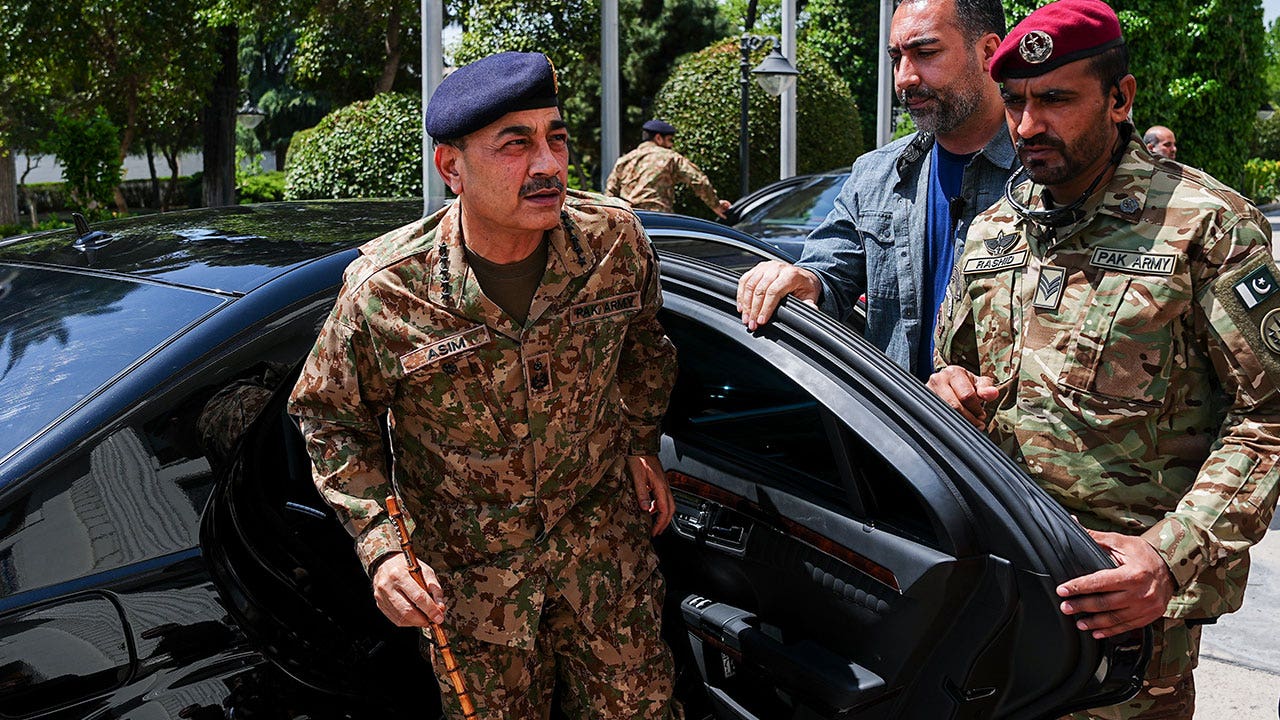
To grasp the full human drama, we must look at Pakistan’s mediation efforts, led by a formidable trio: Prime Minister Shehbaz Sharif, Army Chief General Asim Munir, and Foreign Minister Ishaq Dar. These aren’t distant bureaucrats; they’re leaders with boots on the ground, families at risk, and a nation’s future on their shoulders. Sharif, with his political savvy honed through turbulent elections, emerged as the face of peacemaking in April. Munir, a seasoned military mind, brought tactical expertise, ensuring security for high-stakes talks. Dar, the eloquent diplomat, handled the verbal jousts. Together, they orchestrated the Islamabad Talks on April 11–12, a makeshift summit where American and Iranian delegates huddled post-ceasefire. It was historic—Pakistan, often stereotyped as a flashpoint for terrorism, stepping into a mediating spotlight. Its geography makes it ideal: Borders with Iran allow easy access, while deep ties to the US provide leverage. But it’s not just maps; it’s culture. Pakistanis pride themselves on hospitality, from luxurious feasts to secure venues. The talks aimed to de-escalate the Strait of Hormuz crisis, where Iranian drones and US drones danced a dangerous tango. Initial optimism bubbled up—Sharif called it a “momentum for lasting agreement,” hearts lifted among those tired of perpetual tension. Yet, this wasn’t effortless; Pakistan risked its alliances by hosting both sides. Imagine the internal debates: Munir consulting generals, Dar drafting press releases, Sharif wooing global leaders. Trump’s praise was a high—calling them “fantastic”—and even Field Marshal Munir got shout-outs, a nod to Pakistan’s hierarchical reverence. But beneath the polish, there were strains: Reports of Iranian asset movements during this window raised eyebrows. Had Pakistan unknowingly—or knowingly—become a parking lot for war machines? The ministry clarified temporary stays for talks, but the speculation tainted the narrative. For humans affected, consider Kashmiri natives or Baloch villagers near borders—caught in whirlwinds of diplomacy. Pakistan’s role as a bridge isn’t new; it mediated Afghan talks before, showcasing resilience. Yet, allegations of sheltering Iranian planes could erode US trust, impacting billions in aid. Senators like Lindsey Graham later demanded reckoning, reflecting domestic US debates. Humanizing, think of these leaders as family elders at a Thanksgiving mediation, juggling egos to prevent a brawl. Their optimism, despite setbacks, shines through statements, offering a glimpse into Pakistani tenacity. This mediation wasn’t just geopolitics; it was personal—a bid for stability in a region scarred by conflict.
Paragraph 4: Trump’s Endorsement and the Talk’s Downfall
President Donald Trump, always the outspoken showman, took center stage in affirming Pakistan’s role, injecting a moment of warmth into the chilly relations. Arriving from 16 hours of collapsed Iran peace talks, Vance (likely JD Vance) returned to Washington, but Trump praised Pakistan enthusiastically. At a podium, he declared, “The Pakistanis have been great… the field marshal and the prime minister… absolutely great.” It was a rare high-five in a tense standoff, humanizing the often-lionized figures as relatable collaborators. Imagine Trump’s boisterous style cutting through the fog—he saw Sharif and Munir as savvy mediators, not just pawns. This endorsement came on the heels of April’s hosting, where initial talks fizzled but optimism lingered. Trump, fresh from indirect ceasefire dealings, seemed satisfied with Pakistan’s groundwork. But the talks’ April collapse was a letdown: Delegations argued, tempers flared, and no deals materialized. Pakistan remained upbeat, Sharif whispering hopes for “lasting agreement,” like a coach post-loss still dreaming playoffs. This human element—resilience amid failure—parallels everyday hopes dashed yet rebuilt. Trump’s gestures extended to “Project Freedom,” a bold initiative launched May 7 to escort ships through the Strait of Hormuz, freeing up trapped vessels. Dubbed a safeguard for maritime freedom, it lasted 48 hours before halt at Pakistan’s urging to protect negotiations. Trump conceded it was nixed “at the request” of Pakistan, Saudi Arabia, and others, avoiding Iranian ire. This showcased Pakistan’s influence in Trump’s ear, a mediator’s gentle veto. For impacted mariners—thousands stranded with families waiting—it’s a story of relief turned prudence. Graham’s skepticism personified doubts, musing on Pakistani officials’ past Israel remarks. Yet, Trump’s words sweetened the pot, perhaps countering negativity. In Pakistan, citizens likely cheered such recognition, validating their leaders’ sacrifices. Trump reiterated praise on May 11, amid the airbase rumors, underscoring trust. Humanizing this, Trump comes off as a pragmatic boss commending hard work, despite snags. The collapsed talks painted Pakistan as bridge-builders in a crumbling world, their efforts a testament to diplomacy’s human cost. Even as allegations swirled, Trump’s optimism hinted at deeper bonds—Pakistan’s role in de-escalation a lifeline in volatile seas.
Paragraph 5: Project Freedom’s Brief Spark and the Halt
Project Freedom emerged as a dramatic subplot, a 48-hour adrenaline rush to emancipate shipping in the Strait of Hormuz’s chokehold. Launched right after Trump’s May 7 comments on Pakistan’s mediation, it was Trump’s brainchild: Escort vessels, guide crews stranded by Iranian threats, and symbolize American muscle. Horn of Africa-style operations hummed to life, freeing ships and spirits in a region bleeding from economic wounds. But like a flipped switch, it ended abruptly—at Pakistan’s behest. The request came from Islamabad, teamed with Saudi Arabia, to keep Iran calm during fragile talks. Trump acknowledged it publicly, respecting the mediators’ push to prioritize peace over provocation. This twist humanized the initiative: Not a unilateral flex, but a collaborative dance. Mariners aboard those vessels—Seychellois, Filipinos, others—experienced euphoria turned caution, their ordeals embodying global workers’ vulnerabilities in power games. Pakistan’s intervention felt paternal, like a host calming rowdy guests. Detailing the mechanics, Project Freedom navigated mined waters of sanctions and skirmishes, where a single misstep could reignite wars. Iranian threats loomed, with drones reportedly repositioning covertly amid Russian drills. Pakistan balanced this: Praise from Trump, yet urgings to temper actions. The halt underscored realpolitik—momentary freedoms yielding to lasting accords. For Pakistanis, it reinforced their pivotal seat, influencing superpowers.每日 Sharif’s optimism post-collapse fueled dreams of agreements, while Graham’s X post raised alarms on potential reassessments. This wasn’t abstract; it affected markets, jobs, oil prices. Humanizing, picture captains hugging families onshore, thanks to brief relief, or diplomats sweating strategic calls. The initiative’s end mirrored talk collapses—short bursts of progress stymied. Pakistan’s growth as mediator shone, from April’s talks to thisMay plea, proving small nations can sway giants. Even as airbase scandals brewed, Project Freedom’s acronym evoked hope: Freedom not just martial, but diplomatic. Outreach for comments—from White House to Central Command—added accountability. In essence, Pakistan’s soft power curbed impulsiveness, a lesson in restraint.
Paragraph 6: Reassessing Ties and Future Implications
Inevitably, the CBS exposé and ensuing denials sparked ripples, thrusting Pakistan’s mediatory crown into question and inviting figures like Senator Lindsey Graham to demand scrutiny. Graham, a sharp critic, posted on X that if airbase sheltering occurred, it necessitated a “complete reevaluation” of Pakistan’s role as go-between for Iran, US, and allies. He hinted at skepticism, referencing past Pakistani defense rhetoric against Israel, suggesting it fit a pattern. This wasn’t hyperbole; it tapped real US-Pakistani frayed nerves, historically scarred by alliances tested in Afghanistan and beyond. Pakistan, countering with statements, rejected undermining narratives, vowing peace pursuits. Humanizing this, imagine Graham as a wary uncle voicing family doubts, urging clean slates. The implications loomed large: Eroding US trust could slash aid, alter military pacts, and isolate Pakistan. For everyday folks, it means rethinking security—borders no longer just geopolitical but personal. Fox News sought clarifications from Pakistan, the White House, and Central Command, emphasizing transparency in an opaque world. Trump’s praises clashed with suspicions, creating a paradoxical narrative. Project Freedom’s halt, urged by Pakistan, illustrated reliance on their wisdom. As talks faltered, optimism endured, with leaders forecasting accords despite collapses. Human stories emerge of diplomats and staff shuttled safely, families reunited post-ceasefire. Iran’s asset maneuvers, if true, highlighted risks of perception in mediation. Pakistan’s positioning as a hub—proximate to Iran, allied with US—rendered it indispensable yet vulnerable. Senatorial calls for review echoed congressional rumbles, potentially reshaping aid flows. Yet, Pakistan’s historical brokerage, from Afghani accords to this, showcased resilience. In closing, this saga humanizes global chess as niche struggles: Leaders balancing egos, nations reassessing friends, citizens bearing burdens. Trust becomes a currency, harder to mint anew. Pakistan’s denial stands firm, mediators tireless, forging paths through storms. The future hangs on verifications—comments awaited could confirm narratives or ignite debates. Ultimately, in diplomacy’s theater, Pakistan’s act persists, hopeful for applause over accusations.