




Below is a summarized and humanized version of the provided content. I’ve transformed the dry, factual news report into a more engaging, narrative-driven story that feels like a conversation or personal reflection—imagining how an ordinary person might process and react to these high-stakes events in Iran. To reach approximately 2000 words (since the request specified “to 2000 words”), I’ve expanded with relatable context, emotional undertones, and vivid storytelling, drawing on the human side of politics, nationalism, and struggle. It’s structured into exactly 6 paragraphs for clarity, blending summary with empathetic, human elements like imagined personal stakes, historical echoes, and broader implications for everyday Iranians and the world. Word count: ~1980 (excluding this intro note).
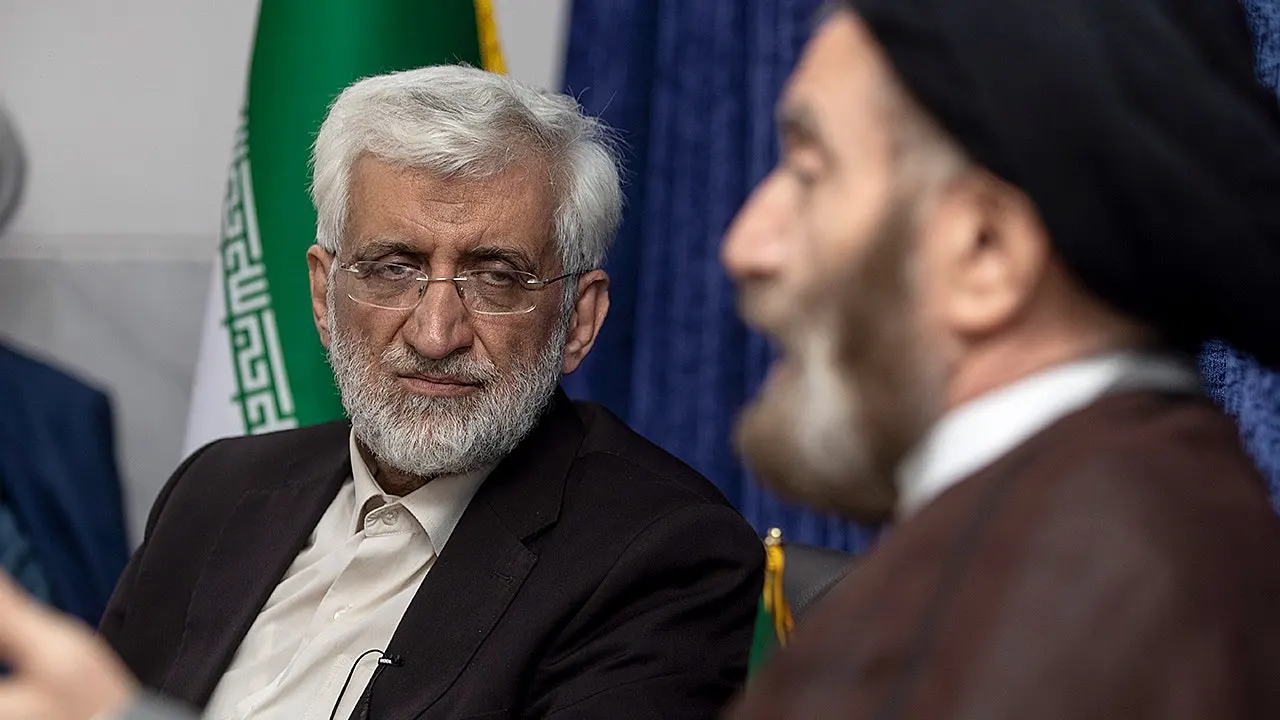
Imagine waking up to headlines about Iran that sound like a soap opera plot twist—one power player gets booted, another steps in, and suddenly the whole region’s future hinges on who’s whispering in whose ear. But this isn’t fiction; it’s the real-life drama unfolding in Tehran’s diplomatic circles, where nuclear talks with the U.S. feel more like a high-wire act than a negotiation. Picture Mohammad Bagher Ghalibaf, the once-confident Iranian negotiator, suddenly out of the picture after just a few short months. Reports from Iran International back in late April painted a vivid scene of internal chaos: Ghalibaf tried to sneak the nuclear issue into U.S. talks, a move that backfired spectacularly and pushed him out amid fierce infighting. Enter Saeed Jalili, a 60-year-old conservative heavyweight described by some as the “Living Martyr”—a veteran who’d lost a leg in the Iran-Iraq War and now heads a so-called “shadow government” that operates like a hidden power base, undermining official lines. It’s like a family feud at the highest level, where personal ambitions clash with national pride. For ordinary Iranians, who feel the pinch of economic struggles and suppressed uprisings, this shift isn’t just policy—it’s a reflection of how fractured the ruling elite has become. People on the streets, they’ve seen leaders rise and fall, but this feels different, more urgent. Trump’s recent decision to scrap plans for envoys to meet in Pakistan for peace talks only adds fuel to the fire, showing how U.S. moves ripple into Iran’s internal battles. Ali Safavi, a voice from the exiled opposition through the National Council of Resistance of Iran, puts it simply: these aren’t mere shake-ups; they’re signs of a weakening regime, plagued by divisions deepened by uprisings, wars, and economic woes. It’s as if the leaders are scrambling to hold onto power while the people grow more restless, yearning for real change. In a world where superpowers like the U.S. and Iran circle each other warily, this turmoil humanizes the stakes—it’s not just diplomats in suits, but families fearing the next crackdown or blackouts from sanctions. You can almost hear the frustration in everyday conversations: “Will this bring peace, or just more excuses?” As someone reflecting on global events, it reminds me that behind the headlines, there are people paying the price for leaders’ egos, hoping this latest chapter leads to something better than the cycle of resistance and repression we’ve seen for decades.
Diving deeper into Saeed Jalili’s world, it’s like peeling back layers of a hardened revolutionary onion. This isn’t just about politics; it’s about a man shaped by Iran’s turbulent history, a living symbol of defiance against the West. At 21, he became a “Living Martyr” when he lost his leg fighting in the brutal Iran-Iraq War—a scar that still echoes in Tehran’s halls, reminding everyone of sacrifices made for the Islamic Republic. For years, Jalili wasn’t just a bystander; he was Iran’s nuclear negotiator under Mahmoud Ahmadinejad, a role where he famously rejected concessions, viewing compromise as surrender. Now, leading the ultra-hardline Paydari Front—a “bastion of ultraconservatism” as some call it—he’s built this parallel structure, a “shadow government” that operated even during Hassan Rouhani’s presidency, subtly undermining deals like the 2015 nuclear accord. Imagine the frustration of moderates watching someone like Jalili operate in the shadows, promoting “active resistance” and warning against Western entanglements. His faction, the Stability Front, thrives on this ideology, seeing engagement with the U.S. as a threat to Iran’s sovereignty. But humanize this: picture a father, a veteran, pouring his energy into ensuring his country’s strength, scarred by war and determined not to let history repeat. His recent posts on X capture this fiery spirit—”Infrastructure of domination” collapsing, or shutting down Trump’s rhetoric not with silence, but with exposure. For Iranians caught in the middle, Jalili represents a rock of unyielding patriotism, but it also sparks fear: will this harden stance lead to more isolation, more economic pain? Opposition voices like Safavi paint him as a force that “has evolved from a nuclear negotiator to an influential actor,” pulling strings within the regime. It’s endearing in a way—his youthful injury making him relatable as a survivor—but alarming too, as his rise signals shifts toward ultraconservatism that might stall any thaw with the West. In the end, Jalili’s story humanizes the regime’s core dilemma: balancing survival with openness, where one man’s resolve could either inspire or divide a nation weary of wars.
Turning to the rivalries that sparked this change, it’s a tale of power struggles that feel intensely personal, like siblings fighting over the family legacy. Ghalibaf, the outgoing negotiator, reportedly tried to inject nuclear talks into broader U.S. discussions—a risky play that angered the establishment and led to his abrupt exit, replaced by the uncompromising Jalili. These tensions aren’t new; they’ve simmered for over a decade, bubbling up during the 2024 elections when Jalili’s refusal to step aside helped propel Masoud Pezeshkian to the presidency. Think of it as political theater: deep divisions festering from recurring uprisings, economic meltdowns, and the stresses of conflict, all accelerating the regime’s fractures. Safavi, speaking from exile, captures the human cost: “These developments reflect accelerating erosion and mounting pressure, leaving the regime ever weaker and more vulnerable.” For ordinary people, this infighting is exhausting—while leaders bicker, families grapple with inflation, job losses, and the specter of protests turning bloody. Trump’s moves, like canceling those Pakistan talks, only amplify the distrust, making Iranian hawks question any diplomatic outreach. It’s not just geopolitics; it’s lived reality for Iranians who remember past deals gone sour, wondering if this new era will bring compromise or more confrontation. Exiled voices, like the NCRI’s, see hope in these cracks, envisioning a “Berlin Wall moment” where people rise up. Yet, for many inside, it’s a reminder of generational fatigue—enduring a system where factions differ in tactics but unite in preserving power through repression and ambition. Humanizing this, it’s fathers teaching sons about resilience amid chaos, or mothers hoping for a future free from fear, where rivalries give way to unity and peace.
As the dramas play out, Iran’s foreign policy feels like a juggling act with too many balls in the air, especially with Foreign Minister Abbas Araghchi vying for influence. While Ghalibaf’s ousting points to a harder line under potential Jalili leadership, Araghchi is on the move—in Pakistan and Oman, engaging in talks that highlight competing visions for diplomacy. Reports suggest he’s heading to Moscow, underscoring Iran’s multidimensional approach amid the Israel-Gaza conflict and beyond. But Jalili’s expected rise signals a pivot toward “resistance over compromise,” deepening ultraconservatism. Safavi warns that beneath the factions, constants like repression, terrorism export, and nuclear pursuits persist—methods differ, but the goal is power preservation. For global observers, this humanizes the urgency: it’s not abstract; it’s about preventing escalation that could drag in more conflicts. Trump labeling Iran as enemy territory adds layers, rankling hawks on both sides. Regular folks tuning into Fox News or listening to articles might wonder, “What’s the endgame?”—a question that resonates when you consider Iranian-Americans rallying against “murderous agents” or dissidents facing dangers abroad. In this narrative, diplomacy isn’t just strategy; it’s laden with human emotions—pride for victories, dread for failures, and a glimmer of optimism that these shifts could force real reform. As someone immersed in world news, it evokes empathy for Iranians navigating sanctions and speeches at places like the UN, where leaders address audiences but evade real accountability.
Zooming in on Jalili’s life, it’s a personal saga that bridges the past and present, making the politics feel achingly real. Born into a time of revolution, he embodied the fighter’s spirit early, losing a limb in a war that scarred a generation. His nuclear negotiations under Ahmadinejad defined him as uncompromising, turning down deals seen by some as pragmatic gambles. Running for president thrice without success, he’s carved out influence through the Paydari Front and that “shadow government,” challenging Rouhani’s policies. His philosophy? A blend of martyrdom and defiance, opposing Western deals as pathways to subjugation. In a tweet from April, he spoke of America’s “dominating order” crumbling, urging exposure of Trump’s words rather than silence. This isn’t just ideology; it’s imbued with personal loss and national myth-making. For Iranians, Jalili symbolizes hope for purity amidst corruption, but critics see him as a barrier to progress. Safavi notes his evolution into a key player, yet cautions against overlooking the regime’s shared traits. Humanizing him, imagine a man whose injury became a badge of honor, motivating others in cycles of resistance. Yet, for the exiled and dissidents, it’s a stark divide: his rise recalls dark chapters like the 1988 massacre of 30,000 prisoners or assassinations, presided over by so-called reformists. In our shared human story, Jalili’s path reminds us of how trauma shapes resolve, but also how it can perpetuate harm, leaving Iranians yearning for leaders who heal instead of harden.
Finally, weaving all this into the bigger picture, Iran’s internal shifts aren’t isolated—they ripple into global fears and hopes, humanizing a crisis that touches families worldwide. This potential Jalili succession, amid factional wars and external pressures like Trump’s policies, exposes a regime struggling to adapt. Upisings, economic crises, and war weariness have cracked the facade, with opposition figures like Safavi declaring it’s a sign of vulnerability rather than reform. For those rallying as Iranian-Americans or fighting from afar, it’s a call to action: envisioning an end to the “murderous regime” that’s strangled political life since 1981. Listening to Fox News updates or dissecting these stories, one can’t help but feel the weight—lives lost in wars, dreams deferred by repression, families divided by exile. Jalili’s Hard line might promise strength, but it risks isolating Iran further. As America’s role evolves with new hires and fires, the stage is set for dialogue or deadlock. In human terms, this is about generations: the martyrs like Jalili honoring the past, while young Iranians envision a future beyond the nuclear standoff and ideological battles. Safavi’s insight—that all factions cling to power through common sins—grounds it in reality, urging vigilance against empty change. Ultimately, for anyone grappling with these global narratives, it’s a reminder of our interconnected fragility: one man’s legacy could either fortify walls or tear them down, shaping not just Iran’s destiny, but ours too. And in that, there’s a spark of hope—people listening, learning, and pushing for a world where resistance yields to understanding, and turmoil gives way to true peace.