





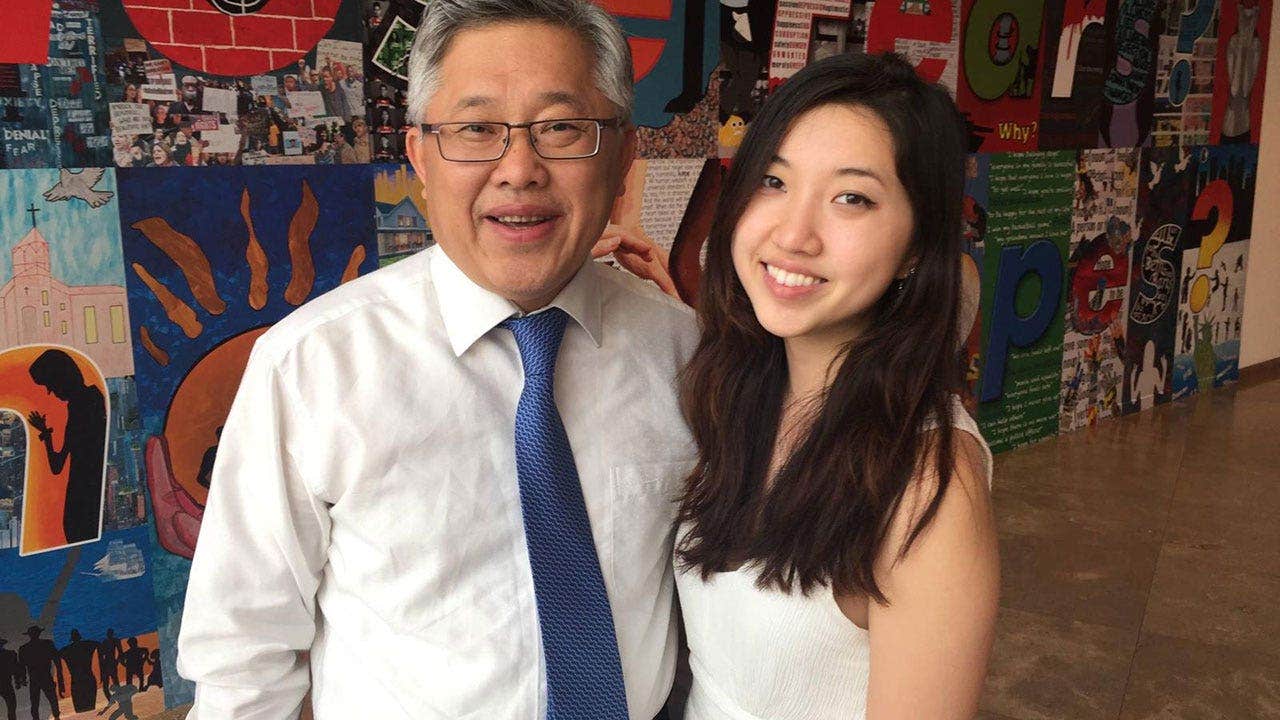
Grace Drexel was just weeks away from giving birth to her third child when she found herself in Washington, D.C., pouring her heart out about a longing that had haunted their family for years. Her father, Pastor Ezra Jin, was a man their kids only knew through photos and video calls—mostly unseen since 2020. Detained in China for seven long months alongside dozens of other Christian leaders, he’s at the center of what experts call one of the biggest crackdowns on underground Protestant churches in recent memory. As President Trump prepared for high-stakes meetings with Chinese leader Xi Jinping, Grace clung to a fragile thread of hope. Trump had promised to personally raise Pastor Jin’s case with Xi, saying it straight to reporters: “I’ll bring it up.” For Grace, this wasn’t just politics—it was a lifeline, a chance for her gentle father to finally come home and meet his grandchildren face-to-face. She spoke to Fox News with tears in her eyes, recalling how their family had been torn apart since 2018, when her mother and younger brothers fled China after authorities demolished Zion Church’s sanctuary. The fear of further targeting had forced their exodus, leaving Ezra behind to shepherd his flock. Grace, now a mother herself, dreams of simple reunions: her kids learning from Grandpa’s wisdom, sharing laughs, maybe even baking cookies together. But the reality is harsher. Her dad, a man she describes as non-confrontational and deeply kind, has reportedly been handcuffed in detention, his head shaved, struggling without proper medication—all for leading a church independent of government control. Grace paints him as the ultimate family man: someone who never raised his voice, even to his kids, and devoted his life to loving his neighbors as much as God. Imagining him in a dingy prison cell, enduring this ordeal as a 60-something pastor, breaks her. She’s not asking for much—just for him to walk free and join the life they all crave. Yet, every day feels like a countdown, especially with a newborn on the way, amplifying the ache of what they’ve lost. Grace’s story is more than personal; it’s a window into the human cost of isolation and unwavering faith.
Ezra Jin’s decision to stay in China wasn’t impulsive—it was a calling that tugged at his soul, pulling him away from the safety of immigrant life in the U.S. Born into a family that valued heritage and belief, he watched closely as his kin grappled with choices that could uproot everything. Grace shared that her dad had plenty of opportunities to secure a green card and leave, but China had become more than a homeland; it was his mission field. As a pastor, he viewed fleeing as abandoning the people who needed him most—families rebuilding after hardships, widows finding solace, and youth questioning their paths. Grace remembers him as a beacon in their childhood, never criticizing, always encouraging, teaching through quiet example rather than stern sermons. His wife and kids, however, eventually saw the walls closing in. In 2018, after the church’s physical space was seized, they weighed the risks: continuing could mean arrests, lost jobs, or worse for the children. Grace’s mom made the heartbreaking call to depart with their younger sons, leaving Ezra as the steadfast anchor for Zion Church. He transformed their worship into hidden gatherings, online services, and intimate home meetings—acts of defiance that authorities labeled as “illegal use of information networks.” For Grace, knowing her dad prioritized his community over personal safety makes the separation even more poignant. She thinks of the countless nights he must have spent praying, steeling himself against the surveillance and threats, all while dreaming of the family life he put on hold. Now, with her own family expanding, she aches for parallels: Would her kids choose courage or caution if faced with such a divide? Ezra’s story humanizes the battles many immigrants face—balancing duty, dreams, and danger in a world that demands black-and-white choices.
The spark of hope ignited when President Trump publicly addressed Pastor Jin’s plight, transforming Grace’s quiet desperation into cautious optimism. In a simple, direct statement, Trump confirmed he’d raise the issue directly with Xi Jinping during the Beijing summit. Grace, speaking from Washington, called it a “tremendous honor” to have such a powerful figure know her father’s name and advocate for his release. She envisions the meeting as a turning point: two world leaders softening their hearts, doors opening for Ezra to board a plane and reunite with loved ones who’ve missed him for nearly a decade. For a family shattered by distance, Trump’s pledge feels like a miracle in the making, especially as Grace prepares to welcome another baby. She imagines the moment clearly—introducing her father to the new grandchild, watching him hold the tiny bundle and whisper blessings, just as he did with her kids via video. But it’s not just about one man; the White House emphasized Trump’s global stance as “no greater champion for religious freedom.” Grace believes in that narrative, hoping it extends beyond words into action that could free not just Ezra, but countless others in similar cuffs. Emotionally, it’s overwhelming—after years of feeling invisible, their family’s pain is now on a diplomatic stage. Yet, she holds onto faith, praying for Xi’s response to be one of mercy, not rigidity. Grace admits the waiting is excruciating, with her pregnancy amplifying every fear: What if the summit yields nothing? Will her father miss another milestone? Trump’s involvement humanizes the issue, turning a political summit into a story of stakes for real lives—a pastor father, a daughter in labor, and kids yearning for a grandpa’s hug.
The Zion Church crackdown, which ensnared Pastor Ezra Jin, didn’t erupt overnight—it simmered under China’s tightening grip on religion, particularly after Xi Jinping’s 2016 regulations on “Sinicization.” Advocates call this a push to align faiths with Party ideology, stripping away independence and injecting surveillance into sacred spaces. For Zion Church, it started with demands Grace describes as invasive: officials wanted facial-recognition cameras inside their sanctuary, ostensibly for security. The congregation refused, arguing their services were public and open—why add layers of digital oversight that felt like prying eyes on private worship? Instead, cameras went up in the lobby, and harassment escalated. Grace recounts how Sundays turned into ordeals: members faced job losses, eviction threats, or worse—leverage through children’s schools or parents’ pensions. It was a calculated pressure, exploiting vulnerabilities to dismantle the community. Authorities eventually seized the property, forcing Ezra and his team to retreat to hidden spots and digital realms, only to be accused of cyber misdeeds. Grace tears up recalling the human toll—families uprooted, friendships strained, trust eroded. Her father, unwavering, became the face of this resistance, not as a rebel but as a shepherd prioritizing God’s flock over Party approval. She sees parallels in everyday struggles: a parent feeding the hungry, only to be told it’s subversive. The detentions, including Ezra’s, reveal a system where devotion morphs into defiance. Grace humanizes it through stories—whispered prayers in broom closets, elders risking everything for scripture study. It’s a reminder that behind policy talk lie fathers, mothers, and children sacrificing for beliefs others take for granted.
This tale of Zion Church fits into a vast tapestry of persecution in China, where believers from various faiths face unrelenting scrutiny. Grace stresses it’s not isolated; hundreds of pastors and leaders are imprisoned or detained right now, their congregations living in shadow. Sam Brownback’s book, “China’s War on Faith,” chronicles torture, surveillance, and crackdowns on Christians, Uyghurs, Tibetans, and Falun Gong practitioners, portraying independent faith as an existential threat to Party control. Grace’s eyes well with emotion as she thinks of the “very scary” climate for China’s Christians, a critical era where detention feels like an ever-present storm cloud. She hears from loved ones about underground services conducted in whispers, families torn by arrests, and the mental weight of constant vigilance. Ezra’s case symbolizes broader anguish—a gentle man enduring hardship for preaching one God. Grace dreams of a day when these stories spark global empathy, pushing for change. Humanizing this, she reflects on universal fears: losing loved ones over beliefs, children growing up without grandparents’ stories. It’s not abstract; it’s families like hers, yearning for peace, praying for leaders to listen. The persecution extends to education manipulated and jobs denied, creating cascades of fear that echo in Grace’s pregnancy-induced worries. She urges awareness, not just for Ezra, but for the countless silenced voices, reminding us faith’s power lies in resilience, even in darkest cells.
Despite China’s official stance, echoed by spokesperson Liu Pengyu, Grace and others insist the reality differs sharply from the propaganda. Liu claims protection for religious freedom under the law, citing 200 million believers, thousands of groups, and registered sites, while insisting regulations safeguard national interests against “illegal activities masked as religion.” He accuses foreign voices of interference, urging respect for facts over “smearing.” Grace counters with raw experience: her father’s detention disproves broad liberties. She humanizes the divide through personal loss—the void of a father’s presence, the terror for kin still in China. Attacks on their policies feel personal, not political. As the summit unfolds, Grace holds faith in Trump’s advocacy, yet knows diplomacy’s fragility. She appeals to hearts: behind stats are lives, families aching collectively. Ezra’s story calls for empathy, pushing beyond divisions toward understanding. With her third child imminent, Grace’s hope shines as a beacon, yearning for softenings that free her dad and others. It’s a human plea—for fathers’ returns, kids’ memories, and a world where faith thrives unbound. Ultimately, she’ll walk through birth knowing her family’s fight embodies countless, urging compassionate action against silence. Through prayer, she’ll persist, embodying resilience in uncertain times.