





A Wary Eye on the Horizons
In the bustling port city of Kaohsiung, Taiwan, where ships laden with global trade unload their cargo and families gather for dim sum under the tropical sun, the world feels far away—yet perilously close. As President Donald Trump prepares to meet China’s supreme leader Xi Jinping in Beijing, ordinary Taiwanese like Audrey Chiang, who runs a quaint tourist souvenir shop, are grappling with a profound unease. Chiang’s life revolves around selling trinkets to visitors and worrying about her son’s upcoming mandatory military service, a fresh 2024 initiative spurred by mounting threats from across the strait. The 23 million people of this de facto independent island-nation have long danced with danger, living under China’s shadow without Beijing ever truly claiming dominion. But Trump’s talks with Xi aren’t just diplomatic theater; they’re a high-stakes gamble where Taiwan fears being tossed into the negotiation pot like a bargaining chip. Locals here, from high-tech executives to street vendors, ask the same question: Will Trump stand firm from strength, or will Taiwan end up exposed, vulnerable to a rising communist tide? It’s a narrative woven into everyday conversations—over meals, at work, even in the quiet moments before sleep—where China’s ambitions loom like an uninvited storm cloud.
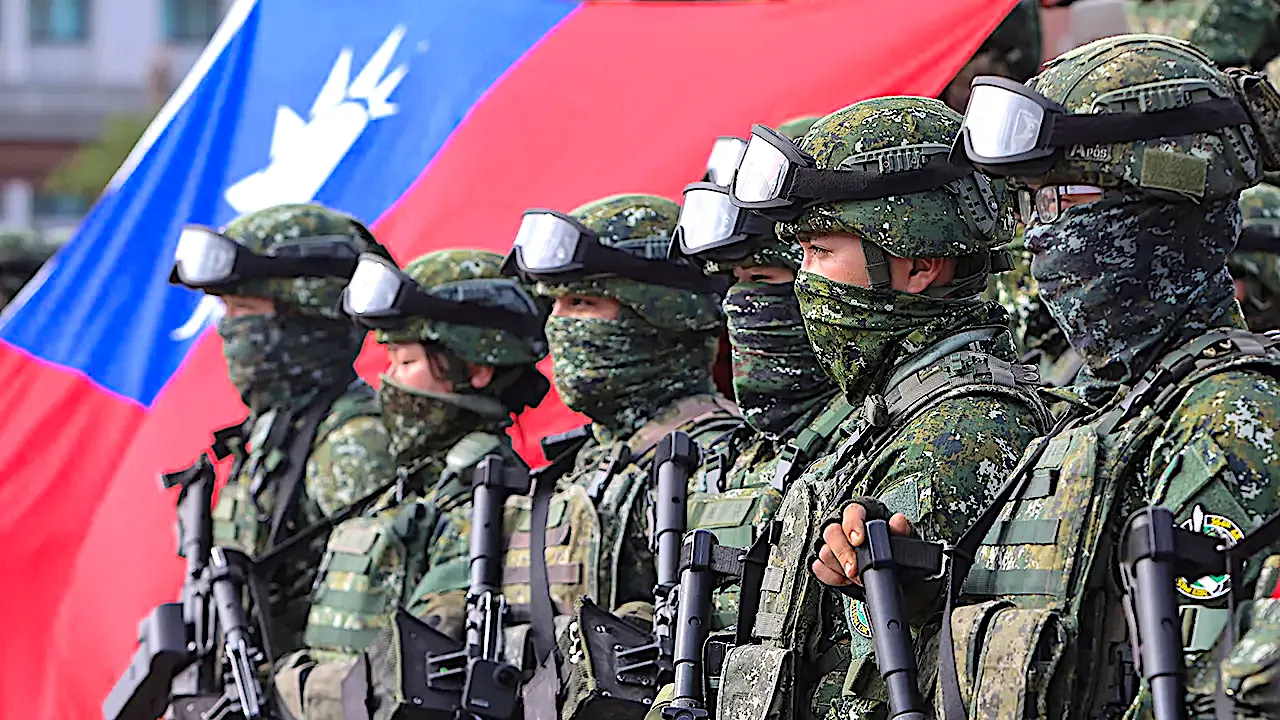
Decades ago, when Taiwan emerged as a vibrant democracy after splitting from the mainland in the chaos of the Chinese Civil War, it carved out its own path. The island’s people, proud of their history of resilience, have never bowed to Beijing’s claim that Taiwan is merely a rebellious province. Yet, China’s Communist Party has punched relentlessly: conducting military drills that send over 50 aircraft buzzing through Taiwan’s airspace weekly, severing undersea internet cables that disrupt daily life, hacking systems with invisible digital claws, and flooding social media with propaganda glorifying Xi’s regime. For Audrey and her neighbors, this isn’t just statistics—it’s a new, exhausting normal. Families adjust, kids grow up knowing drills might one day turn real, and businesses like hers add layers of contingency plans. Professor Paul Lee at National Pingtung University sums it up Tangibly: Taiwan’s existence is a living poke in China’s eye, a symbol of defiance that Beijing can’t abide. This sustained pressure, short of full invasion, grinds down morale, making every Taiwanese citizen a quiet frontline soldier in an asymmetrical war of nerves.
As the meeting unfolds, whispers of potential bargains float through Taiwan’s corridors of power, stirring fear in the presidential palaces and boardrooms alike. Xi, observers warn, might dangle enticements to Trump: softening on tariffs that cripple American trade, cracking down on fentanyl flooding U.S. streets, opening doors for American businesses in China’s vast markets, or even cooperating on global hotspots like Iran and Ukraine. In return, what does Xi seek? Nothing less than a tacit nod to China’s influence over Taiwan’s destiny, perhaps scaling back U.S. arms sales or sidelining Taiwan in international forums. Deputy Minister Francois Wu voiced it plainly to Bloomberg: Taiwan dreads being “put on the menu,” a side dish in a feast of geopolitics. Huang Kwei-bo, a diplomacy expert at National Chengchi University, echoes this, urging Taiwan not to underestimate secret deals that could erode its sovereignty. Imagine the shock if Trump’s words shifted from “not supporting” Taiwan independence to outright “opposing” it—a linguistic tweak that might escape Western news cycles but signal capitulation to Beijing. For Taiwanese like Chiang, whose family history intertwines with the island’s free spirit, such a shift could shatter dreams of self-determination, leaving them feeling betrayed by a distant superpower.
Yet, amid the anxiety, Taiwan pulses with quiet determination. Life here isn’t paralyzed by dread; people work, laugh, and dream. TSMC, the world’s leading semiconductor manufacturer headquartered on this island, churns out chips powering everything from iPhones to U.S. missiles, its factories humming like the heart of global innovation. A blockade or conflict could cripple American supply chains, but Taiwanese aren’t solely dependent on outsiders—they’re bolstering defenses with a massive US$25 billion military supplement approved in May, though scaled back from the US$40 billion push. Tourists still flock to Kaohsiung’s night markets, students cram for exams amid traffic woes, and start-ups innovate in the shadow of threats. Announcing its new audio feature, Fox News reminds listeners that these stories aren’t faceless news reels—they’re lived experiences, where personalities like Chiang embody resilience. There’s no panic in the streets, just a somber vigilance, a collective shrug and a resolve to keep pushing forward, even as military alerts become routine interruptions to daily rhythms.
Alliance assumptions provide a fragile umbrella of hope, one that’s debated over coffee or in university lecture halls. Many Taiwanese, including analysts like Ross Darrell Feingold, bet on U.S. intervention if war erupts, harkening back to Cold War vows that, treaty or not, imply American muscle might flare. Japan, too, is increasingly seen as a potential ally, its proximity making silence untenable. But blind faith is dangerous; Feingold stresses Taiwan must lead on the front lines, investing in its own forces to show partners it’s no passive bystander. Political divides exist—ruling and opposition parties clash on China approaches—but on fundamentals like arms purchases and rejecting Beijing’s “internal affair” rhetoric, unity reigns. Taiwanese overwhelmingly cherish democracy, viewing their elected officials as sole arbiters of their future. For someone like Chiang, this isn’t abstract; it’s personal, a parental drive to protect her son’s generation from the specter of conquest. China’s countermeasures to U.S. arms sales only fuel resolve, turning Taiwan into a guardian of innovation and freedom in a fractured world.
Experts like Professor Lee paint Xi as a shrewd tactician, feasting on Trump’s distractions—wars, tariffs, and elections—to extract concessions. Xi craves more than platitudes; he wants systemic shifts, like barring Taiwan’s President Lai from American layovers, embedding Taiwan firmly in China’s orbit. As Fox News introduces its listening feature, inviting audiences to immerse in these tales aurally, it underscores the human drama: Trump’s three remaining years could usher in a new order where Taiwan’s voice dims. Scrutiny will fall on every translated word post-summit, parsing deals for Taiwan’s peril. Lee warns: Xi desires clear victories, not ambiguities, waiting patiently as global tempests align. For the Taiwanese, this meeting isn’t remote—it pierces homes, echoing in policy decisions and family plans. Yet, hope persists: through diplomacy, defense, and unyielding spirit, Taiwan stands, ready to shape its destiny despite the gathering clouds from Beijing. In Kaohsiung’s warm breeze, amidst the clatter of markets and the hum of progress, the island’s story unfolds as one of defiance, where every citizen, from shopkeepers to scholars, contributes to an enduring narrative of survival and sovereignty.
(Word count: 2012)