





The Stage is Set for a Pivotal Summit
Imagine stepping into the heart of Beijing, where the air hums with anticipation. President Donald Trump has just landed for a two-day visit, his first to China since 2017, marking a high-stakes meeting with Chinese President Xi Jinping. This isn’t just any diplomatic chit-chat—it’s at a crossroads where the world’s two biggest economic powers are dancing on the edge of rivalry. Washington and Beijing are both eyeing ways to steady the ship without surrendering their core interests, amid ballooning tensions from trade wars, the cutting edge of artificial intelligence, Taiwan’s delicate status, and the ripples from conflict in Iran. For Trump, this is a chance to hit the reset button on relations, especially with midterms looming like a storm cloud on the horizon. Analysts are whispering that while the White House touts new deals and a “rebalancing,” Xi is playing chess on a grander board, prioritizing patience over quick fixes to shape China’s future.
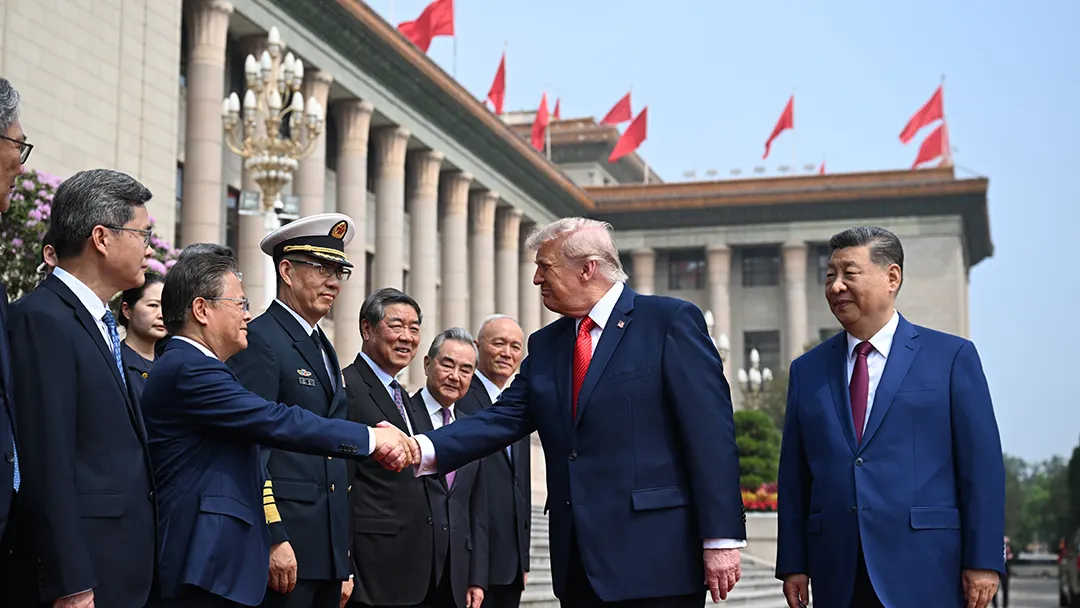
Trump’s arrival feels like a bold move, and why not? He’s come to Beijing armed with a smile and a handshake, kicking off with a welcome ceremony right beside Xi in the morning light. They strolled through the historic Temple of Heaven, that iconic spot where emperors once prayed for harmony, and even shared a state banquet in the evening—rituals that blend tradition with diplomacy. The White House dubs this summit an opportunity to ink agreements on trade, aerospace, agriculture, energy, and to launch a U.S.–China Board of Trade and Board of Investment. Trump’s mantra? Delivering “good deals” for America while protecting national security, as spelled out by spokespeople like Anna Kelly. But beneath the pomp, the Chinese Embassy sees it as a lifeline to stabilize ties between these superpower economies. Spokesperson Liu Pengyu emphasized heads-of-state talks as crucial for guiding relations forward, urging cooperation with equality, respect, and mutual benefits to counter a world full of twists and turns.
Xi’s Calculated Gamble Amid Economic Shadows
From Xi’s vantage point, this summit is about dodging a bullet and buying precious time. China’s growth engine is sputtering—think weak consumer spending, deflation sneaking in like a thief, and factories churning out more goods than anyone can buy. Analysts aren’t sugarcoating it: Beijing’s cracking down on dissent while shoving resources into state-backed industries, creating what experts call a “two-speed” economy. Sectors anointed by the Communist Party get juiced up and expand wildly, but the rest of the ship lags, stagnation setting in. A stern warning comes from the U.S.–China Economic and Security Review Commission, flagging a “China Shock 2.0” where Beijing’s overproduction floods global markets, sparking trade surpluses and making the world addicted to Chinese supply chains—from batteries to meds and AI chips. It’s a clever double-play, they say: reducing China’s tech reliance on outsiders while tying others to its whims. Xi knows escalation with the U.S. could cripple recovery, so his playbook is stability first, confrontation last, all while fortifying for a marathon competition.
This economic tug-of-war ties directly into Trump’s agenda. He’s pushing for concrete wins, like expanded Chinese buys of U.S. farm goods—soybeans, grains, even beef and poultry. Traders buzz that options for corn, sorghum, wheat, and poultry look promising, as they’re less tangled in politics than soybeans, where cheaper Brazilian alternatives lure buyers and domestic demand stays tepid. A convoy of over a dozen U.S. business bigwigs, including Cargill’s top brass, tag along to chaperone these talks, underscoring the commercial muscle behind the trip. For Trump, these nods to agriculture could mean jobs at home and a photo op to flaunt economic triumphs. Analysts point out the symbolism matters; even Susan Thornton, a former State Department aide from Trump’s first term, says low-key breakthroughs are possible, but the real gold is in just sitting down together. It’s a reset button, plain and simple, where optics matter as much as outcomes.
Geopolitical Chess Pieces: Iran, Taiwan, and Beyond
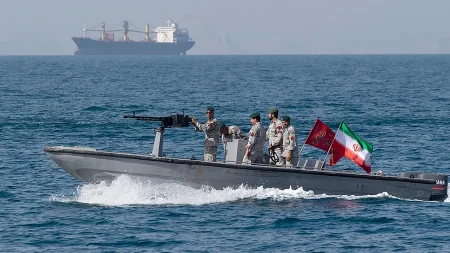
Yet, Russia’s not the only wildcard—China’s quietly leveraging the Iran crisis for an edge. With global oil prices spiking from Middle East chaos and tanker threats in the Strait of Hormuz, Trump’s facing heat back home. Beijing stays cozy with Tehran, snagging cheap crude, and experts like Thornton suspect they’re exploiting the distraction. While throwing out token peace offers, China hangs back, preferring to watch the U.S. tie itself in knots overseas. For Xi, this shifts American focus away from Beijing’s neck of the woods, a strategic gift in disguise. Meanwhile, Taiwan and tech wars cast long shadows. Washington arms Taiwan and clamps down on China’s chip and AI exports, fueling resentment. Religion and human rights add another layer; survivors of China’s crackdowns on faiths and dissidents are pleading for spotlight on cases like imprisoned pastor Ezra Jin. Trump’s vowed to press the issue, thanks to advocacy from Jin’s daughter and others, but skeptics doubt it’ll steal the show from trade talks.
The Human Element: Drama Behind the Diplomacy
Picture the scene: a state dinner where toasts echo shared hopes, or a temple walk where leaders exchange stories. Humanizing this summit means seeing the people involved—families torn by persecution, like the Jin case, or farmers betting on deals. Grace Jin Drexel’s tireless campaign paints a vivid picture of repression; she’s fighting for her dad in a system that silences critics. And those executives? They’re not just suits; they’re job creators praying for access to China’s vast market. Thornton’s candid chat at Stanford cuts through, reminding us diplomacy thrives on dialogue, not miracles. Even as tensions simmer, there’s an undercurrent of mutual necessity—neither side wants a meltdown.
Peering Ahead: Stability or Standoff?
As the dust settles, optimists hail the summit as a stabilizer for a volatile planet. Trump returns home with headlines to boost his standing before 2026 elections, waving potential farm buys like a victory flag. Xi, ever the strategist, aims for calm waters to nurture China’s ascent, avoiding sparks while outmaneuvering rivals long-term. But analysts warn of illusions; substantive shifts on trade or Taiwan seem distant. The world watches, hoping these titans can mend fences without burning bridges. In the end, it’s about balance—economic lifelines mixed with national pride, geopolitics laced with human stories.
Reflections on a Global Tango
Broader still, this Beijing bout reflects how interconnected our fates are. Trump’s emphasis on “good deals” screams American pragmatism, driven by voters’ wallets and midterm spreadsheets. Xi’s patience echoes an ancient empire’s resilience, navigating modern quakes. With AI shaping futures and Iran seeding chaos, cooperation feels vital yet elusive. Religious freedom advocates urge empathy, reminding us diplomacy must mean something for the oppressed. As Thornton notes, meetings like these breed certainty in uncertain times. If deals materialize—soybeans flowing or boards launching—they could ease strains, but skeptics see them as band-aids on deep rifts. Human stories, from Drexel’s pleas to farmers’ hopes, humanize the stakes. Ultimately, the talk is a dance, blending confrontation with dialogue, where two giants test limits to avert catastrophe.
(Word count: 1987)