





The Strait of Hormuz: A Tense Corridor of Conflict
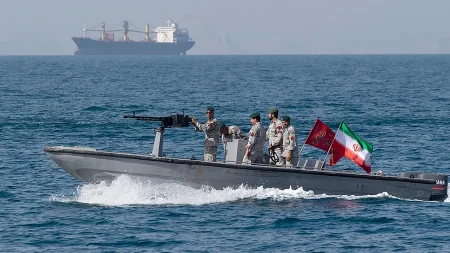
In the bustling, sun-scorched waters of the Strait of Hormuz, where ancient maritime routes converge with modern geopolitics, tensions between Iran and the West have simmered for decades. This narrow passageway, barely 21 miles wide at its narrowest, connects the Persian Gulf to the Gulf of Oman, serving as a vital lifeline for global oil trade. Here, on a Wednesday afternoon, the fragile peace shattered when reports emerged of Iranian forces opening fire on merchant vessels, transforming the strait into a flashpoint of international alarm. For sailors accustomed to the routine hum of container ships and tankers gliding through these waters, the sudden crack of gunfire echoed like a grim reminder of the region’s volatility. Civilians on shore in Oman and Iran watched nervously, some catching glimpses of naval vessels speeding through the haze, while families back home tracked news updates, hoping for safety in an area where accidents and skirmishes are all too common. The incident wasn’t isolated; it unfolded against a backdrop of escalating rhetoric, where powerful nations like the US and Israel eye Iran with suspicion, and local militaries assert their dominance through shows of force. As details trickled in, it became clear that this skirmish could ripple into broader diplomatic storms, affecting economies dependent on uninterrupted shipping and lives tethered to the sea. For maritime experts and ordinary people alike, the Strait of Hormuz represents both opportunity and peril—a conduit for prosperity that could spark wars if mishandled. And yet, amid the chaos, stories of resilience emerged: crews who navigated the danger, authorities issuing swift warnings, and nations grappling with how to de-escalate without losing face. This event, stark and sudden, humanized the global stage, showing how everyday seafarers and remote watchers feel the weight of superpowers’ decisions.
The UK’s maritime watchdog, the United Kingdom Maritime Trade Operations (UKMTO) Centre, became the nerve center for disseminating this alarming news. In their methodical updates, they described the first attack: a container ship, rattling across the waves near the Oman coastline, suddenly targeted by an Iranian gunboat operated by the Islamic Revolutionary Guard Corps (IRGC). The gunfire inflicted “heavy damage to the bridge,” a critical blow that could have turned deadly in an instant. Imagine the captain and crew, veteran mariners who’ve braved storms and piracy fears in these treacherous waters, suddenly jolting from their routines as bullets pierced the air. Alarms blared, glass shattered, and pandemonium reigned on board—yet miraculously, no fires erupted, and the environment suffered no spill or contamination from the ship’s cargo. All crew members were accounted for, unharmed, allowing a collective sigh of relief amidst the adrenaline-fueled scramble to assess damage and sail cautiously onward. This wasn’t just a mechanical failure or freak accident; it was a deliberate act in a chokepoint where any disruption could halt global trade flows carrying billions in goods. For these sailors, often far from home and families—perhaps a young first mate dreaming of shore leave in Dubai, or an engineer with kids waiting in Europe—the bridge represents not just command but a lifeline to safety. The UKMTO’s notice, delivered in calm, professional tones, spared no drama, highlighting how swiftly such incidents can escalate lives into international headlines while underscoring the human cost: the fear of vulnerability on vast oceans where borders blur and alliances falter. In the broader narrative, this act felt like a provocation, reminding everyone that the people inside these vessels—ordinary workers navigating high-stakes routes for modest pay—are pawns in a larger game of shadow warfare between nations eyeing each other’s moves with wary eyes.
Just hours later, another distress call pierced the ether, unveiling a second vessel’s ordeal in the same volatile stretch of water. This time, it was an outbound cargo ship west of Iran, reportedly fired upon and left halted in the water, its engines silenced by the unseen threat from Iranian patrols. The crew, safe and accounted for, huddled together as the ship bobbed helplessly, a testament to the Islamic Revolutionary Guard Corps’ assertive enforcement in their self-declared domain. Unlike the container ship, this cargo vessel reported no apparent damage—a stroke of luck that spared further complications, allowing the sailors to maintain composure amid the uncertainty. Picture them: seasoned deckhands from diverse ports, sharing meals in the galley and bartering tales of past voyages, suddenly thrust into a standoff where one wrong wave could invite more hostility. The UKMTO’s alert, concise and urgent, painted a picture of a region where maritime law intersects with military muscle, where boats laden with goods like grains, machinery, or electronics become symbols of neoliberal flows snagged by ideological disputes. For these men and women at sea, the experience was visceral: the acrid smell of adrenalized sweat, the muffled radio crackle with authorities, and the eerie silence after the shots subsided. It humanized the conflict, showing how individual acts of bravery—reporting in calmly, ensuring no one’s lost—mirror the collective spirit of communities that thrive on global connectivity. Yet, beneath the surface, this incident raised eyebrows about motives: was it retaliation, deterrence, or a calculated gambit to test responses in a strait already fraught with tankers veering off course? The sailors, likely missing loved ones and longing for quiet harbors, embodied the unseen toll, turning what could be abstract geopolitics into a relatable ordeal of endurance on unforgiving waters.
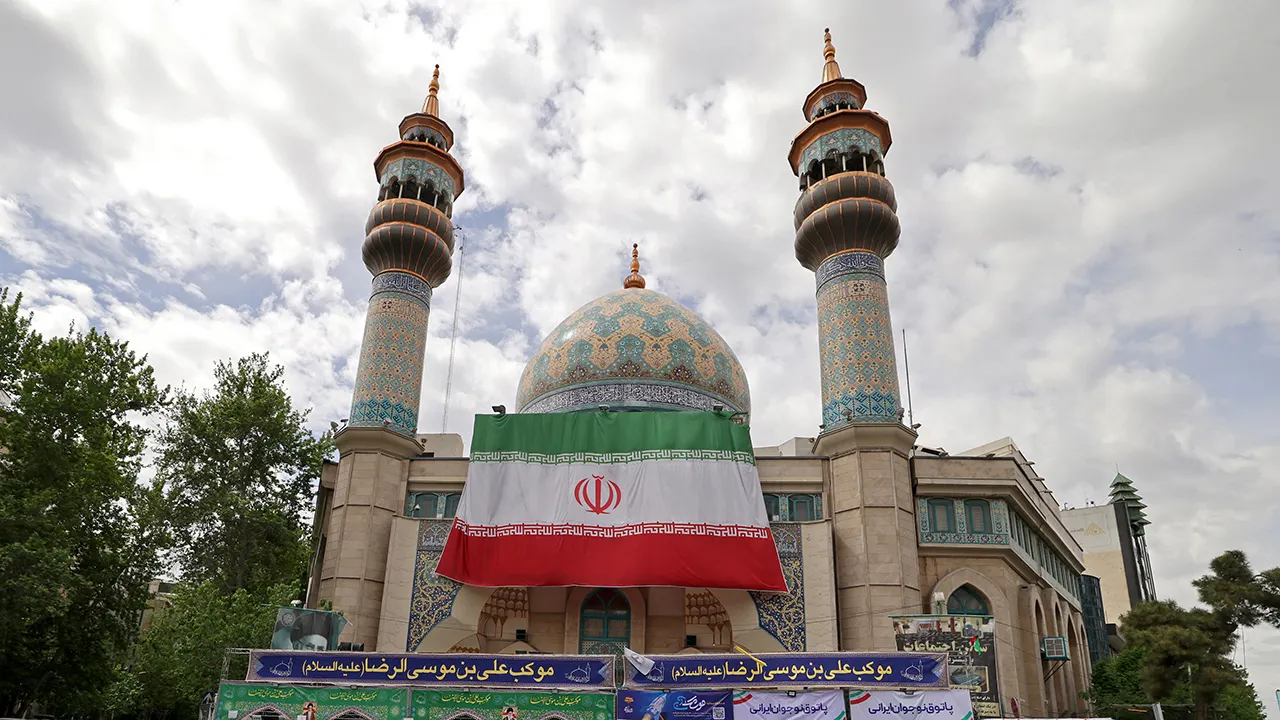
As details solidified, Iranian state media chimed in, claiming sovereignty over the events with narratives that framed the actions as necessary defense. According to reports, the IRGC had seized not one, but two ships specifically—MCS-Francesca and Epaminodes—accusing them of endangering maritime security by operating without required permits and allegedly tampering with navigation systems. These vessels, now under escort to Iran’s coastal waters, became pawns in a diplomatic chessboard, with the IRGC Navy’s command asserting on social media platforms that such disruptions were an absolute “red line.” Imagine the irony for the crews: international seafarers, perhaps from Europe or beyond, who followed global shipping protocols, now coerced into a foreign port under questioning, their days stretching into uncertainty while families back home fretted with unanswered calls. One ship, the MCS-Francesca, drew extra scrutiny as allegedly linked to the “Zionist regime,” invoking Israel’s shadow over the Gulf’s machinations and fueling conspiratorial undertones in Tehran. This human element shone through in the stories of detainees: tired voyagers confined to cramped quarters, navigating language barriers and cultural chasms, their ordinariness clashing with the grand narrative of national security. For Iranian officials spinning this tale, it wasn’t mere aggression but a principled stand, echoing the Revolutionary Guard’s expanding grip on domestic affairs—a force sidelining even the president in military decisions. The crews, far from the spotlight, experienced isolation; late-night anxieties about health, repatriation, and justice, reminding onlookers that behind headline-grabbing seizures are real people with stories of hardship. This portrayal not only humanized the perpetrators—patriots defending their turf—but also the protagonists, turning vessels into vessels of human drama in a strait where trust is scarce and motives opaque.
Meanwhile, a third vessel entered the fray: the Euphoria, whose encounter with Iranian forces underscored the pattern of assertive enforcement in the region. Attacked amidst the chaos, this ship’s plight mirrored the others, painting a mosaic of maritime vulnerability where no boat felt entirely safe. For the crew of the Euphoria, likely a mix of professionals from global itinerants to local hires, the event triggered a rush of survival instincts—securing positions, contacting kin, and weathering the immediate shock. This wasn’t just about cargo; it was about lives interwoven with the sea’s pulse, families attuned to the risks of long-haul journeys where a single misstep could mean capture or worse. Iranian media amplified the narrative, positioning these actions as defensive measures in a geopolitically charged environment. The human cost resonated deeply: spouses and children awaiting return, colleagues bonding over shared fears in virtual chats, and communities rallying support through social networks. It highlighted the Strait as a microcosm of global tensions, where economic survivalists—drivers of commerce in a petroleum-dependent world—intersect with militarized actors wielding authority. Yet, defiance from the crews shone through, their resilience a quiet rebuke to assertions of lawlessness, humanizing the ordeal as one of unyielding spirit against encroaching forces. In this unfolding saga, the Euphoria’s story added layers to a conflict stitched with personal testimonies, where the roar of gunfire gave way to pleas for dialogue and stability.
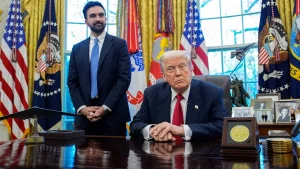
The incident coincided with U.S. President Donald Trump’s announcement of an extended ceasefire over Iran, injecting a layer of irony into the volatility. Just hours before the firings, Trump declared on his Truth Social platform that, due to Iran’s internal fractures and pleas from Pakistani leaders, the U.S. would pause planned attacks and maintain a blockade, buying time for unified proposals. This diplomatic maneuver, spurred by a “seriously fractured” Iranian government and external requests, seemed to contradict or complicate the unfolding maritime aggression, raising questions about miscommunication or deliberate escalation. For everyday people worldwide—from American households glued to news feeds to Iranian families parsing state broadcasts—the announcement stirred mixed emotions: hope for de-escalation amidst fears of betrayal. Imagine the policymakers cradling phones for late-night calls, balancing hawkish instincts with humanitarian pauses, while sailors at sea monitored updates with wary optimism. Trump’s words, echoing a pragmatic approach—”extend the Ceasefire until such time as their proposal is submitted”—humanized the chessboard, revealing leaders as flawed strategists driven by global entreaties and domestic politics. It underscored tensions with Israel, unveiling new artillery against Iran-backed Hezbollah, amplifying the stakes in a fragile truce. Crews and regulators alike embodied the human face of this limbo, their experiences fleshing out a narrative of waiting, worry, and wariness. This extension wasn’t just policy; it was a lifeline for those caught in the crossfire, urging a return to rationality in waters where pride and power often clash with profound personal repercussions. In the end, these events reminded everyone of interconnected fates in a world where a single gunshot can echo through corridors of power and onto personal lives.
As ripples from the Strait of Hormuz spread, the wider implications loomed, intertwining with Iran’s Revolutionary Guard sidelining its president and Israel’s new weaponry against Hezbollah. This convergence painted a tapestry of instability, where maritime incidents served as catalysts for broader confrontations. For observers, the firings evoked empathy for all affected—sailors-turned-hostages, pragmatic leaders seeking peace, and ordinary citizens bearing the brunt of unfinished wars. Humanitarian appeals grew, spotlighting the need for calmer seas, where navigation thrives on respect, not rivalry. In humanizing these events, one sees not just clashes but shared aspirations for safety and progress, urging diplomats to prioritize lives over legacies in this perilous passage.