




The Shocking Chaos at the White House Dinner
Imagine a glamorous evening turning into a nightmare right there in the heart of Washington, D.C.—the kind of scene that feels like something out of a high-stakes movie, but it was all too real. On April 25, at the annual White House Correspondents’ Association Dinner hosted at the historic Washington Hilton Hotel, a dinner meant to celebrate journalism and mingle with politicians turned into pure pandemonium. Laughter, speeches, and clinking glasses were shattered by the sudden eruption of chaos when a man burst through a security checkpoint and started firing shots. Panic gripped the room as everyone scrambled for cover—journalists diving under tables, dignitaries freezing in disbelief. President Donald Trump, along with his wife Melania, Vice President JD Vance, House Speaker Mike Johnson, and a slew of other high-ranking officials and media personalities, were swiftly ushered away from the ballroom. Eyewitnesses later described the sheer terror, recalling how the air seemed to thicken with screams and confusion, a “terrible scene” where one moment you’re enjoying shrimp cocktail and the next, you’re questioning if this is the end. The shooter, identified as 31-year-old Cole Thomas Allen from Torrance, California, was quickly apprehended by law enforcement. He made his initial court appearance on Monday, leaving the nation reeling and wondering: How could this happen at an event packed with our leaders, in a city that’s supposed to be the safest?
Allen’s actions exposed a chilling reality about the vulnerabilities surrounding our top officials. The dinner was no ordinary gathering; it was a convergence of powerhouses, with three of the top four in the presidential line of succession all under one roof—Trump, Vance, and Johnson. Just think about it: if this guy had been planning something more sinister, like wearing explosives or coordinating with others, the fallout could have been catastrophic. Experts are now saying this isn’t just a one-off incident; it’s a wake-up call about how easily access can be breached at events like these, which are typically billed as secure but often turn out to be more casual affairs. Fox News insiders have been buzzing about how Trump himself praised for his composure in those split seconds after the shots rang out, his “strength” shining through as he navigated the crisis. But beneath the headlines, there’s a human side to this—a sense of violated trust, like when you think your home is safe only to find the locks are faulty. People were there with high spirits, expecting to unwind, and instead, they were thrust into a fight-or-flight frenzy. The aftermath saw the hotel evacuated, interviews conducted, and a collective exhale as no one was seriously injured, but the psychological hangover lingered, making us all feel a tad more exposed in our everyday lives. It’s the kind of event that reminds you fragility of normalcy, especially for those in public service who put their lives on the line for us.
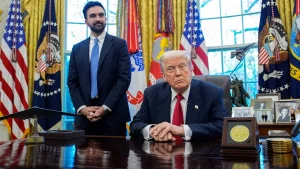
Trump, ever vocal, took to Fox News’ “The Sunday Briefing” to weigh in, shedding light on the bigger picture of security for our leaders. He fondly recalled the White House’s own ballroom as the gold standard—a place with “every single bell and whistle” for protection, making it “really what you need” for such high-profile shindigs. In his characteristic style, he advocated for shifting these dinners to safer venues, not just out of necessity but from personal experience. You can picture him, sitting there on air, gesturing emphatically, drawing from his time in office where threats were a daily drumbeat. It humanizes the ordeal; he’s not just a politician reacting, but a protector reflecting on what could keep everyone—from presidents to everyday folks—safer. Listeners tuning in felt a warmth from his practical suggestion, imagining a world where events like this could unfold without the shadow of danger looming. This isn’t about fear-mongering; it’s about learning from the near-miss, ensuring that future gatherings feel secure again, like the family reunions we all crave but now approach with a cautious eye. The incident forced a broader conversation too—about how we balance freedom and security in American life, a tug-of-war that’s as old as the republic itself.
Enter Andrew Badger, a seasoned former Defense Department intelligence officer whose insights added a layer of gravity to the unfolding drama. Badger, drawing from his gritty days on the front lines in places like Afghanistan in 2014, warned Fox News Digital that this breach wasn’t isolated; it highlighted “significant vulnerabilities” in how we protect our top brass. He painted a vivid picture: an unprotected hotel venue where high-value targets like Trump and his circle perform their duties, leaving adversaries a golden opportunity. “When you’re looking at your adversary, and you’re seeing weakness, it also fuels motivation,” Badger cautioned, making the abstract feel personal—imagine if you spotted a flaw in your home’s defenses and knew an enemy might exploit it. For him, this wasn’t theoretical; it’s the harsh reality of intelligence work, where one wrong move can cost lives. The dinner’s composition—just eight out of nine succession officials in one spot—struck him as exceptionally risky, akin to a bullseye drawn on a vulnerable target. He speculated hypotheticals that sent chills: what if the shooter had a suicide vest, or if drones were involved, or multiple attackers? It underscores the human error in planning these events, a reminder that even the most elite circles aren’t impervious. Badger’s words resonated as a call to action, urging Americans to sharpen our collective vigilance, much like locking doors extra tight after a scare.
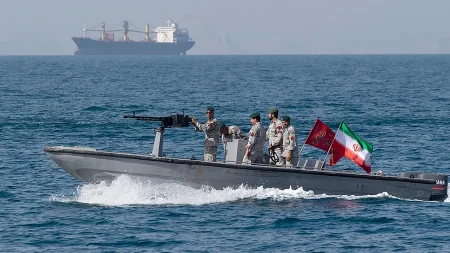
Badger didn’t stop there; he tied this incident directly to escalating tensions with Iran, framing it as fuel on an already smoldering fire. Iran, he said, has deep-seated animus stemming from the 2020 U.S. drone strike that killed Qassem Soleimani, the formidable commander of Iran’s Quds Force. Soleimani’s death, ordered by none other than Trump, ignited a public vow of “severe revenge” from Iran’s supreme leader Ayatollah Khamenei, who vowed it would intensify resistance against the U.S. and Israel. Imagine the furrowed brows and clenched fists in Tehran after that strike—it’s not just politics; it’s personal, a grudge that transcends borders and embeds itself in national narratives. Badger pointed out Iran’s history of unconventional warfare, employing criminals and proxies for hybrid operations, a strategy that’s as cunning as it is cold-blooded. With ceasefire talks in a standoff and Iranian officials still in Washington’s crosshairs, this breach could inspire bolder actions, like sending gangsters or operatives to exploit such gaps. It’s a sobering thought, humanizing the global chess game into a story of revenge-driven shadows lurking behind everyday events. For Americans, it adds paranoia to patriotism, wondering if a chance encounter—like a protest or even this dinner—could escalate into something catastrophic.
Ultimately, this ordeal underscores a broader imperative for heightened awareness in our volatile world, where threats from Iran and beyond aren’t abstractions but real motivators for danger. Experts like Badger emphasize that adversaries, including Russia, are increasingly outsourcing dirty work to criminals, turning street-level chaos into geopolitical weapons. The shooting at the dinner serves as a stark reminder that our leaders’ security is intertwined with national safety, demanding a “higher degree of vigilance” as warned by House Intelligence Committee Chairman. Yet, in the human tapestry of this tale, there’s resilience too—the way attendees regrouped, officials remained composed, and the press corps persisted in seeking truth. Trump’s push for secure venues echoes a collective yearning for normalcy without the constant threat of interruption. As we digest these revelations, downloadable Fox News apps buzz with updates, keeping the conversation alive and informed. It’s a narrative that binds us, from the shooter’s unnamed grievances to international rivalries, urging empathy amid the alarms. In essence, it’s a chapter in America’s ongoing story of liberty and risk, one that calls for smarter safeguards so we can all breathe a little easier at our next big event.