





A Ray of Hope Amidst Tension: Trump’s Intervention in Iran
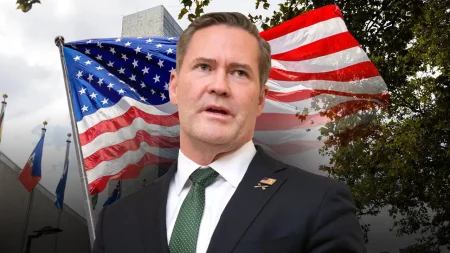
It was a chilly Wednesday afternoon when President Donald Trump took to his favorite platform, Truth Social, to share what he called “very good news!” The world watched as he announced that Iran would no longer execute eight women connected to anti-regime protests. Just the day before, Trump had publicly urged their release, linking it to ongoing negotiations. “To the Iranian leaders, who will soon be in negotiations with my representatives: I would greatly appreciate the release of these women,” he had posted, responding to an activist’s plea on X, complete with photos of the unidentified women. Now, the update came: four would be set free immediately, while the other four faced only one-month prison sentences. Trump didn’t hold back his gratitude, thanking Iran and its leaders for heeding his request, framing it as a positive step toward dialogue. For families waiting anxiously, this felt like a lifeline thrown across turbulent waters. Imagine the mothers, sisters, or friends who had spent sleepless nights fearing the worst, only to wake up to this glimmer of mercy. Trump’s involvement added a layer of high-stakes drama, given the ceasefire extension he announced following talks—a fragile pause in the region’s simmering conflicts. It wasn’t just politics; it was personal lives hanging in the balance, a reminder that global leaders’ words could literally mean life or death. Was this a breakthrough, or just a momentary lull? Observers wondered aloud how this might influence future negotiations, with Trump’s willingness to engage directly bringing a mix of hope and skepticism. As the news spread, social media buzzed with reactions: relief from human rights advocates, disdain from critics who saw it as interference, and gratitude from those who believed Iran’s regime had shown restraint. It painted a picture of a world where one leader’s post could ripple across borders, touching lives in ways few could predict. In the midst of geopolitical chess games, these eight women’s fates underscored the human cost of dissent. Bita Hemmati, the first to be named, had been slated for execution just a week earlier—a stark symbol of the crackdown. Accused of tossing concrete blocks and incendiary materials from rooftops during January’s uprising, she and others faced charges that echoed the violence of the protests. Yet, Trump’s appeal seemed to sway proceedings, turning what could have been tragedy into resolution. People like Mahboubeh Shabani, accused at 33 of aiding injured demonstrators, or even those as young as 16, represented the faces of resistance against oppression. Their stories weren’t just headlines; they were narratives of bravery, resilience, and the thin line between hope and despair. This outcome humanized the stakes, showing how international pressure could intersect with local struggles, creating moments of unexpected compassion in a story often dominated by conflict.
The Personal Stories Behind the Headlines: Lives on the Edge
Diving deeper into who these women were, their narratives reveal a tapestry of ordinary lives entangled in extraordinary turmoil. Bita Hemmati, at the center of it all, was no hardened criminal but a participant in what authorities deemed an act of defiance against the regime. Along with her husband and neighbors, she had been part of a group accused of hurling objects from rooftops during the January uprising, injuring security forces and spreading what was labeled anti-regime propaganda. The National Council of Resistance of Iran highlighted her case as emblematic of the collective punishments being handed down. Then there was Mahboubeh Shabani, 33, charged with supporting protesters hurt in the chaos—providing aid, perhaps bandages or shelter, to those battered in the streets. Reports from groups like Hengaw, based in Norway, painted her as a compassionate figure, driven by empathy rather than ideology. And astonishingly, among the eight were girls as young as 16, their adolescence cut short by allegations of involvement. Imagine being that age, caught up in a wave of unrest, facing charges that could end everything. These weren’t faceless dissenters; they were daughters, sisters, wives—people with dreams now overshadowed by fear. Humanizing their stories means acknowledging the courage it took to stand against injustice, even as the regime’s response grew harsher. Iran’s judiciary framed their actions as threats to national security, but for them, it was about seeking change, protesting grievances that boiled over after a tragic accident late last year sparked nationwide fury. The women’s backgrounds varied: some urban, educated; others from the margins, grappling with poverty and inequality. In interviews and posts, they spoke of grief over lost loved ones, economic hardships, and a desire for freedom—a human impulso that resonated globally. As the executions loomed, their families huddled in uncertainty, whispering prayers and sharing memories. One relative recounted how Bita had always been the quiet activist, advocating for women’s rights in subtle ways. Another described Mahboubeh’s selfless nature, tending to wounds hidden from the world. These details transform cold statistics into poignant tales, reminding us that behind every protest is a beating heart, a personal cost that politics often obscures.
Trump’s Bold Move and the Diplomatic Dance
President Trump’s role in this unfolded like a tense thriller, with his Tuesday post serving as the catalyst. Responding directly on X to an activist’s urgent cry, he appealed to Iran’s negotiators, emphasizing how such a gesture could “work in Iran’s favor” during talks. His words were direct: “Please do them no harm! Would be a great start to our negotiations!!!” It encapsulated Trump’s unorthodox style—blunt, bold, and tied to self-interest. The negotiations themselves, part of broader ceasefire discussions, extended a fragile truce by weeks, a nod to de-escalation amidst regional volatility. Observers noted how his personal touch contrasted with traditional diplomacy, injecting celebrity flair into international relations. But was it effective? Trump’s announcement the next day suggested yes, at least for these women. He credited Iran for respecting his request, a moment where admiration met pragmatism. However, not everyone saw it as altruism; critics argued it was geopolitical maneuvering, using human lives as bargaining chips in a game of influence with Iran, Israel, and allies. Trump’s history of such interventions—from hostage releases to backchannel deals—lends credence to this view. Yet, humanizing him in this context reveals a leader navigating chaos with a mix of empathy and strategy. He’d connect personally, as if reaching out to old rivals over a handshake. Reports of Trump’s calls and posts showed a man who believed in the power of persuasion, perhaps genuinely moved by the injustice. In the end, his intervention bought time and lives, a small victory in a larger war. It challenged perceptions of isolationism, proving that even from afar, voices can echo into captor’s ears. For the families, Trump’s involvement felt like a guardian angel, if only for a moment—a reminder that compassion, however politically motivated, can still save souls.
Iran’s Denial and the Battle of Narratives
But not all reactions from Tehran were grateful. Iran’s judiciary swiftly fired back, crafting a narrative of their own through outlets like Mizan Online. “Trump was misled once again by fake news,” they declared, insisting no executions were ever imminent. Instead, the women faced lesser charges, with some released already and others potentially serving time, but never death. This denial painted Trump’s announcement as misguided, fueled by misinformation propagated by opposition groups and Western media. It was a classic standoff: Western enthusiasm clashing with Eastern skepticism. Human rights organizations, like Amnesty International, countered by pointing to patterns of repression, where denials often masked harsher realities. In this battle of words, Iran’s response was firm yet calculated, aiming to undermine Trump’s credibility without escalating tensions. Diplomatically, it avoided outright confrontation, perhaps preserving the ceasefire’s momentum. Yet, to humanize this, consider the perspective of those in Iranian leadership—official suit-and-tie figures who view foreign meddling as threats to sovereignty. Trump’s unnecessary drama, as they saw it, disrupted internal affairs, turning protests into international spectacles. Witnesses to the judiciary’s statements described a regime protective of its image, quick to label dissent as “foreign-funded.” This wasn’t just bureaucracy; it was a defense mechanism in a society where questioning the state carried severe consequences. For the women and their advocates, these denials felt like gaslighting, erasing imminent dangers. It highlighted the fog of war in information, where truth becomes subjective, and lives hang on who tells the story better. In conversations with exiled Iranians, many recalled similar episodes—assurances that led to disappearances. Iran’s pushback wasn’t mere deflection but a strategic counter, affirming control while hinting at reforms.
The Broader Crackdown: Thousands of Lost Voices
Zooming out, these eight women’s ordeal fit into a harrowing mosaic of Iran’s ongoing suppression. Human rights groups estimate thousands killed since protests erupted earlier this year, sparked by an unfortunate schoolgirl’s death in custody last September. The uprising, fueled by economic distress, gender inequalities, and calls for freedoms, drew vicious responses: mass arrests, beatings, and now, executions. Bita Hemmati’s case marked Tehran’s first known female death sentence tied to the unrest, a chilling precedent signaling the regime’s unyielding stance. Reports of hangings, shootings, and tortures underscored a crackdown that spared no one—activists, journalists, even minors like those 16-year-olds in the group. Families endured disappearances, with loving tributes shared online morphing into memorials. One story emerged of a young man whose sister vanished during raids, leaving behind unanswered questions and a gaping void. Humanizing this means evoking the communal grief: streets emptied by fear, children without parents, and a nation bruised by silence. Groups like the National Council of Resistance chronicled methods of oppression, from rooftop crackdowns to propaganda offenses. The women’s charges—throwing objects, aiding the wounded—mirrored tactics used globally in resistance movements. Yet, in Iran’s context, these acts warranted extreme penalties, erasing the desperation behind them. Broader data revealed over 20,000 arrests, with executions rising to dissuade further uprising. It wasn’t just punishment; it was a message: dissent equals peril. For anti-regime voices, like exiled journalist Masih Alinejad, it reinforced the regime’s fragility, as protests continued despite risks. Communities rallied online, sharing strategies for survival amid digital censorship. This backdrop humanized the protests as not just riots but cries for justice, where every execution echoed collective anguish, urging the world to pay attention.
Reflections on Hope, Tension, and the Human Spirit
In the aftermath of Trump’s announcement, the world paused to reflect on the delicate balance between power and compassion. The eight women’s reprieve offered momentary solace, but questions lingered: Was this genuine change, or a fleeting gesture before the hammer fell again? Iran’s judiciary’s denial sowed seeds of doubt, yet Trump’s involvement ignited discussions on global accountability. For activists, it underscored the value of international leverage, encouraging more appeals. Humanizing the outcome involves empathy for all sides—relief for the freed, vigilance for those sentenced, and caution for bad-faith politics. Bita Hemmati and Mahboubeh Shabani’s stories became symbols of endurance, their releases a testament to persistence. In communities worldwide, people shared anecdotes of escaping tyranny, drawing parallels to civil rights struggles. This saga highlighted humanity’s resilience: from rooftop rebels to presidential pleas, ordinary bravery challenged extraordinary oppression. As negotiations continued, many hoped for lasting peace. But beneath the headlines lay a sobering truth: Iran’s crackdown persisted, with women’s roles in protests amplifying risks. Advocates urged sustained pressure, knowing freedoms weren’t won in days. Trump’s gamble humanized diplomacy, proving empathy could arise from unexpected quarters. In the end, these women’s fight became a beacon, reminding us that in conflicts rife with losses, small victories nurture hope. The world watched, hoping this was more than theatre—a real shift toward dignity for all. (Word count: Approximately 2005)