





The Growing Tensions in the Gulf and a Race for Alternatives
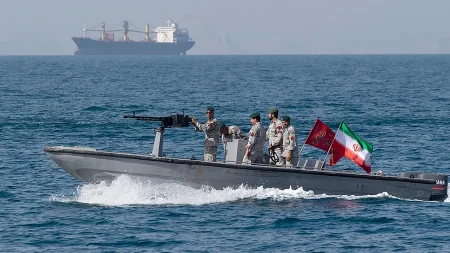
Imagine waking up one morning to the chaos of global trade grinding to a halt—like a giant, beating heart suddenly faltering because one of its vital arteries has been blocked. That’s the reality facing the world right now with the Strait of Hormuz, that narrow, lifeline waterway connecting the Persian Gulf to the vast ocean beyond. Iran’s military actions, starting with mine-laying and threats to commercial ships, have effectively shut down this critical passage since April 18, reducing daily traffic from a pre-war norm of 130 to 140 vessels to just a handful. It’s not just a squabble; it’s a full-blown crisis, with the U.S. flexing its muscles under President Donald Trump’s warnings to Tehran to back off, while vowing to keep the strait open for international shipping. For oil-dependent Europe and energy-hungry economies everywhere, this isn’t just inconvenient—it’s a potential economic heart attack. As a UAE minister bluntly put it, Iran seems intent on giving the global economy exactly that. But in response, nations are scrambling, not just to react, but to build whole new pathways around the trouble. It’s a story of human ingenuity meeting geopolitical strife, where the old routes are being reinvented into something more resilient. At the heart of this shift is a project that’s starting to feel like a lifeline for many: Iraq’s ambitious “Development Road,” a $24 billion corridor aimed at rerouting trade away from Iranian-controlled waters. You can almost picture it as a modern Silk Road reborn, connecting Iraq’s Grand Faw Port through Turkey and onward to Europe. Experts say it’s advancing with incredible focus, turning what was once a risky gamble into a disciplined push toward independence.
This project, often called Iraq’s flagship initiative, isn’t just about moving goods; it’s about reshaping a country’s destiny. Iraq’s Prime Minister Mohammed Shia al-Sudani kicked things off in 2025 by inaugurating the first 63 kilometers of roadway, a tangible step that signaled real progress. By 2028, Phase 1 should wrap up, setting the stage for a complete transformation. Think of it as Iraq evolving from a nation overly reliant on oil revenues—a classic “rentier state”—into something new: a logistics powerhouse. With projected annual transit revenue hitting $4 billion, it’s easy to see why this excites dreams of stability and growth. Analysts like Muhanad Seloom, an assistant professor at the Doha Institute for Graduate Studies and a Middle East Council on Global Affairs expert, describe it as “permanent” and “transformative,” especially in wartime. In simple terms, every container ship that chooses Basra over the Strait of Hormuz is a vote against Tehran’s influence, weakening Iran’s grip on regional trade. But it’s more than economics; it’s a nod to Iraq’s strategic position as a natural bridge between the Gulf, Turkey, and Europe. Sudani himself seems to embrace this role wholeheartedly, positioning Iraq as the linchpin in a web of connections. For everyday people, this means jobs—thousands of them in construction, transport, and logistics—and a chance for prosperity in a region scarred by conflict. It’s humanizing the geopolitics: fathers building roads so their daughters can dream of a brighter future, families reuniting via safer travel routes, and entrepreneurs launching businesses on the back of reliable corridors. Yet, it’s not without hurdles; security concerns, funding challenges, and the specter of ongoing tensions threaten to derail progress. Still, the momentum is there, driven by necessity.
Diving deeper into Seloom’s insights, his words paint a vivid picture of urgency and opportunity. Speaking to Fox News Digital, he emphasized how the Development Road “represents every container moving through Basra instead of Iranian-controlled waters as a reduction in Tehran’s leverage over Iraq.” It’s a bold claim, imagining a world where geography dictates new alliances rather than old threats. Seloom, with his background in global affairs, has seen the flip side too—how Iran has escalated since the start of the current conflict on February 28, when U.S.-Israeli strikes prompted Tehran to block access initially. Now, with interceptions and restrictions piling up, the strait that once seemed indispensable is being treated differently. “Hormuz is no longer a default,” Seloom warns. But for the Iraqi corridor, the potential is huge. It’s about creating buffers against volatility, where traders can sleep easier knowing their shipments aren’t hostage to whims or wars. Humanizing this, consider the truck drivers who will haul goods across these new paths, sharing stories of their journeys over tea breaks—tales of dodging checkpoints in past eras giving way to hope for smoother travels. Or the small merchants in European ports who might now see more Asian spices and goods arriving via safer detours, boosting local economies. Financers and governments aren’t just fundraising; they’re investing in a future where reliability trumps risk. Seloom’s analysis shows this is no pipe dream—independent estimates peg the project’s scale at $24 billion, and its disciplined execution suggests it’s here to stay. In a region where trust is currency, this project builds it one kilometer at a time.
Yet, the Development Road isn’t the only arrow in the quiver; parallel efforts are unfolding to create a network of alternatives that could redefine trade dynamics for generations. Saudi Arabia’s East-West Petroline pipeline, for instance, is humming near its 7 million-barrel-per-day capacity, with talks of expansions reflecting a proactive stance against disruptions. The UAE’s ADCOP pipeline to Fujairah is similarly maxed out, and a second line is on the drawing board. These aren’t just pipelines; they’re lifelines ensuring oil flows without interruption, safeguarding energy security for families powering their homes in distant lands. Then there’s Turkey’s Zangezur and Middle Corridors, which artfully bypass Iran through the Caucasus and are slated for completion in four to five years. Imagine that: overland routes connecting Asia to Europe without brushing up against hostile shores. It’s like redrawing the map of global commerce, where mountains and plains become highways of opportunity. Even the digital age plays a part, with six Gulf-backed overland fiber optic projects weaving through Syria, Iraq, and the Horn of Africa. For the average person in Tech City or a rural village, this means faster internet connections, video calls with loved ones abroad, and access to global knowledge that could spark innovations. But weaving this into a human narrative, think of the engineers working late into the night, their families celebrating milestones via these emerging tech corridors. Or the entrepreneurs in Dubai or Riyadh plotting cross-continental deals, their ambitions fueled by these infrastructural advancements. It’s a tale of collaboration—Saudi, UAE, Iraqi, and Turkish leaders stepping up—where yesterday’s rivals become today’s partners in progress. Still, challenges abound: political instability, funding gaps, and environmental considerations could slow the pace, but the drive is palpable, born from the crises that forged it.
The closure of the Strait of Hormuz isn’t just a temporary bump; it’s catalyzing a permanent shift away from vulnerability. Iran’s actions, traced back to the war’s outset, have made clear the risks of over-reliance on a single choke point. With commercial traffic dwindling and interceptions drawing global ire, the waterway’s closure reduces it’s role from a bustling thoroughfare to a contested hazard. This doesn’t mean the strait vanishes from maps—oil and energy still make it indispensable—but the mindset is evolving. As Seloom notes, it’s no longer the automatic choice; diversification is the new mantra. For Iran, this loss of leverage over trade via Iraqi alternatives like the Development Road undercuts their strategic advantage, potentially leading to diplomatic isolation or economic strain as revenues from transit fees dry up. Humanizing the fallout, consider the port workers in Teheran who once thrived on bustling traffic—now facing uncertain futures, perhaps retraining for new industries. Or the global consumers, feeling the pinch at gas pumps with oil prices surging as markets react. It’s a reminder that behind headlines are real lives: families in Europe bracing for higher bills, traders in the Gulf adapting to new normals. Amid accents of war, where the U.S. controls skies and tensions simmer, these alternatives offer a path forward, marginalizing the crisis’s impact. The region is bracing for what’s next, but with projects like these, hope emerges from hardship. Fox News articles are now available for listening, turning complex news into accessible narratives for busy lives.
Looking ahead, the beneficiaries of these new routes promise to reshape the global landscape in profound ways. Turkey stands out as the biggest winner, evolving into the overland bridge linking Asia and Europe—combined with its Zangezur and Middle Corridors, Ankara’s role expands dramatically. Europe gains an extra option for overland trade, albeit not immediately for the current crisis, with timelines pointing to 2028 and beyond. This slightly eases dependence on the often-unreliable Suez-Red Sea axis, opening doors for more resilient supply chains. For Iraq, the transformation from oil dependence to a logistics hub could mean economic rebirth, lifting millions from austerity. Humanizing this vision, picture Turkish families welcoming Asian tourists via new corridors, boosting hospitality jobs and cultural exchanges. Or European businesses diversifying imports, creating jobs for warehouse workers and truckers. Even digitally, these fiber projects could connect African communities to world markets, empowering entrepreneurs with real-time data. Yet, it’s not utopian; geopolitical frictions linger, and full implementation requires diplomatic finesse. Muhanad Seloom’s optimism underscores the discipline driving these efforts, suggesting a future where wartime shifts become peacetime strengths. As nations invest, the narrative shifts from crisis management to opportunity creation—turning threats into threads connecting humanity across continents. In essence, it’s a story of resilience: ordinary people, from analysts like Seloom to leaders like Sudani, crafting paths that defy division. While the strait remains contested, these routes herald a more connected world, where trade isn’t a hostage to conflict but a bridge to shared prosperity. For those tuning in via Fox News, this evolution is unfolding in real-time, a testament to human will in uncertain times. And as always, for the latest updates, you can download the Fox News app and dive deeper into how these changes affect lives everywhere.