





In the quiet, high-stakes corridors of the United Nations headquarters in New York, Finnish Foreign Minister Elina Valtonen speaks with a calm authority that only comes from living on the edge of a geopolitical fault line. As the diplomatic voice of one of NATO’s newest members, Valtonen represents a nation that shares a grueling, 820-mile border with Russia—a reality that transformed overnight when Moscow launched its full-scale invasion of Ukraine in 2022. Decades of carefully guarded military nonalignment were put aside as Finland stepped forward to fortify Europe’s eastern flank. When Valtonen asserts that Ukraine has finally grasped the stronger hand in this conflict, her words carry the heavy, pragmatic weight of a neighbor who understands the true nature of Russian statecraft. She points to a dramatic shift over the last several months where Kyiv has fortified itself militarily, politically, and diplomatically, creating a crucial window of opportunity to steer the conflict toward a viable peace process.
This newfound leverage on the ground is reflected in a shifting battlefield landscape, where Ukrainian forces have clawed back more than 600 square kilometers of territory. This rapid reclamation has broken the pattern of slow, grueling Russian advances and injected fresh momentum into Western diplomatic strategies. Yet, as Ukrainian President Volodymyr Zelenskyy searches for a path toward a ceasefire that does not sacrifice his nation’s territorial integrity, Vladimir Putin continues to dismiss direct negotiations, insisting on unrealistic demands for control over occupied regions. To Valtonen, the solution to this impasse is simple yet stubborn: the power to end the war rests entirely with the Kremlin, which initiated the hostility in the first place. She emphasizes that a genuine, durable peace cannot be built on empty handshakes; it requires Russia to sit at the negotiating table with a real willingness to commit to a total ceasefire, allowing for talks that respect international law rather than reward aggression.
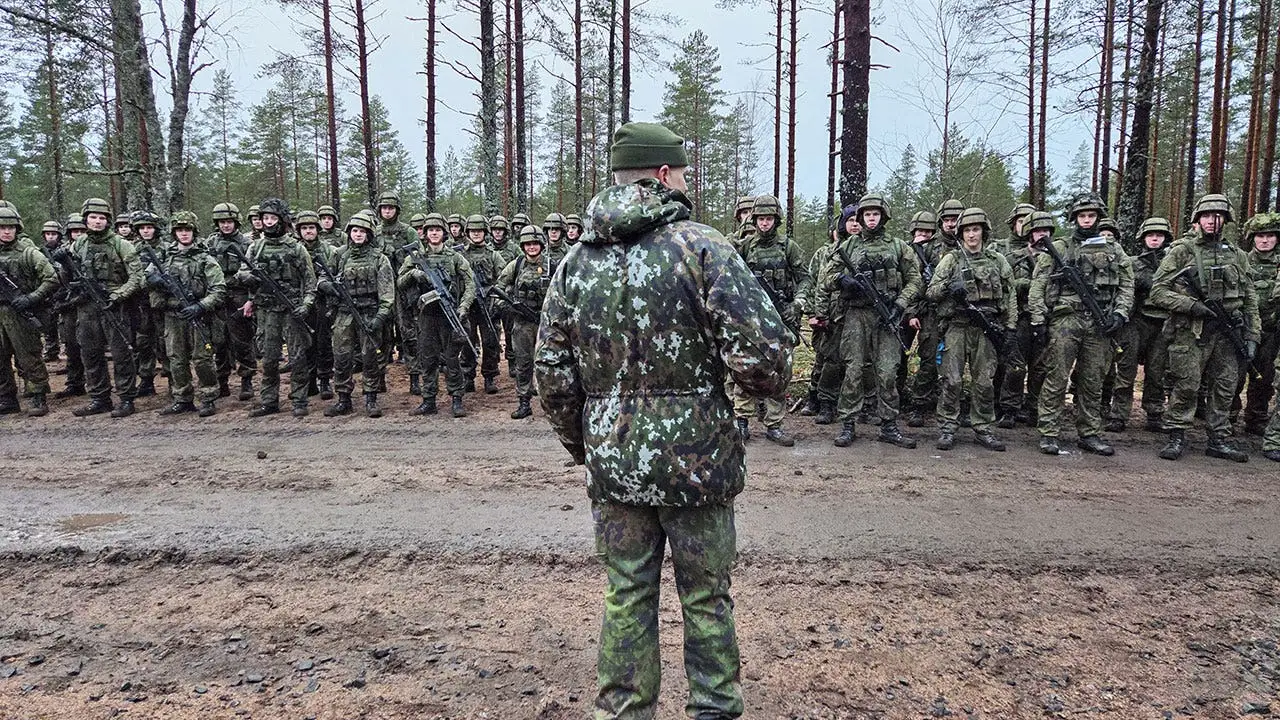
For the people of Finland, this conflict is not an abstract chess game played out on maps, but an echo of their own painful history. Valtonen speaks passionately about her country’s hard-won independence, pointing back to the Second World War when the Soviet Union attempted a similar invasion of Finnish territory. Though the Finns fought back with legendary resilience and preserved their sovereignty, the victory came at a staggering human and societal cost. This historical trauma is why Finland holds its title as the “happiest country in the world” not as a given, but as a treasure to be fiercely defended through democracy, the rule of law, and an unwavering commitment to national defense. To ensure history does not repeat itself, Helsinki is aggressively scaling up its defense capabilities, planning to boost defense spending to an impressive 3.2% of its GDP by 2030. This proactiveness has earned warm praise from U.S. leaders like Senator Marco Rubio, who lauded Finland and Sweden for bringing sophisticated domestic defense industries and cutting-edge technologies to the NATO alliance.
As the geopolitical landscape shifts, Valtonen maintains a balanced view of the transatlantic partnership, offering rare praise for former President Donald Trump’s aggressive push for European nations to carry their own weight in defense spending. She acknowledges that this intense pressure ultimately moved Europe in the right direction, forcing the continent to dismantle decades of defense complacency and address security imbalances within NATO. While Valtonen values the indispensable leadership and diplomatic engagement of the United States in safeguarding global peace, she draws a firm moral boundary when it comes to the ultimate resolution of the war. She insists that any negotiations regarding territorial concessions or security guarantees must be decided solely by the Ukrainian people themselves, warnings that Europe must remain directly involved in the process because the future of the continent’s security architecture hangs in the balance.
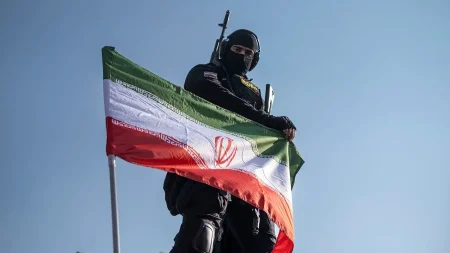
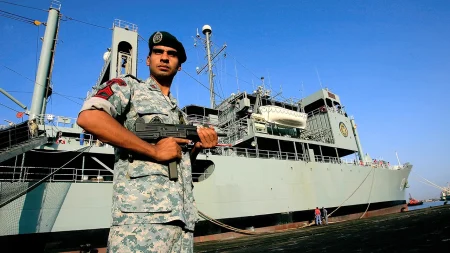
The ripples of global instability extend far beyond Europe’s borders, drawing Finland’s attention toward the volatile situation in the Middle East. Valtonen took the opportunity to clarify recent remarks by Finnish President Alexander Stubb, who had noted that the conflict involving Iran was not technically a NATO matter. She explains that while NATO as an organization is not directly involved, individual European nations are deeply alarmed by Iran’s destabilizing actions, particularly its nuclear ambitions and its threats to international shipping in the Strait of Hormuz. This critical maritime chokepoint is essential for global energy security, and Finland has actively joined hands with France, the United Kingdom, and the United States to support efforts to keep these vital waterways open. Valtonen stresses the absolute necessity of preventing global shipping straits from being weaponized by rogue actors, a stance backed by recent European Union sanctions targeting Iranian maritime entities.
In a world increasingly divided by conflict, Valtonen dismisses rumors of friction between the United States and its European allies over logistics and base access during Middle Eastern operations. While Finland itself hosts no sovereign U.S. military bases to offer or withhold, she emphasizes that the vast majority of European nations have quietly and consistently supported Washington’s strategic requests behind the scenes. This seamless, quiet cooperation highlights a deeper truth about the modern Western alliance: true partnership is not merely defined by formal treaties or bureaucratic consensus, but by a shared, visceral commitment to defend a world ordered by law, mutual respect, and human dignity. As Finland continues to navigate its new role as a frontline defender of Western democracy, its leaders remain clear-eyed, resilient, and deeply committed to ensuring that the forces of expansionism and aggression do not write the future of Europe.