



The Evolving World of Food and Dining: From Sweeteners to Sommeliers
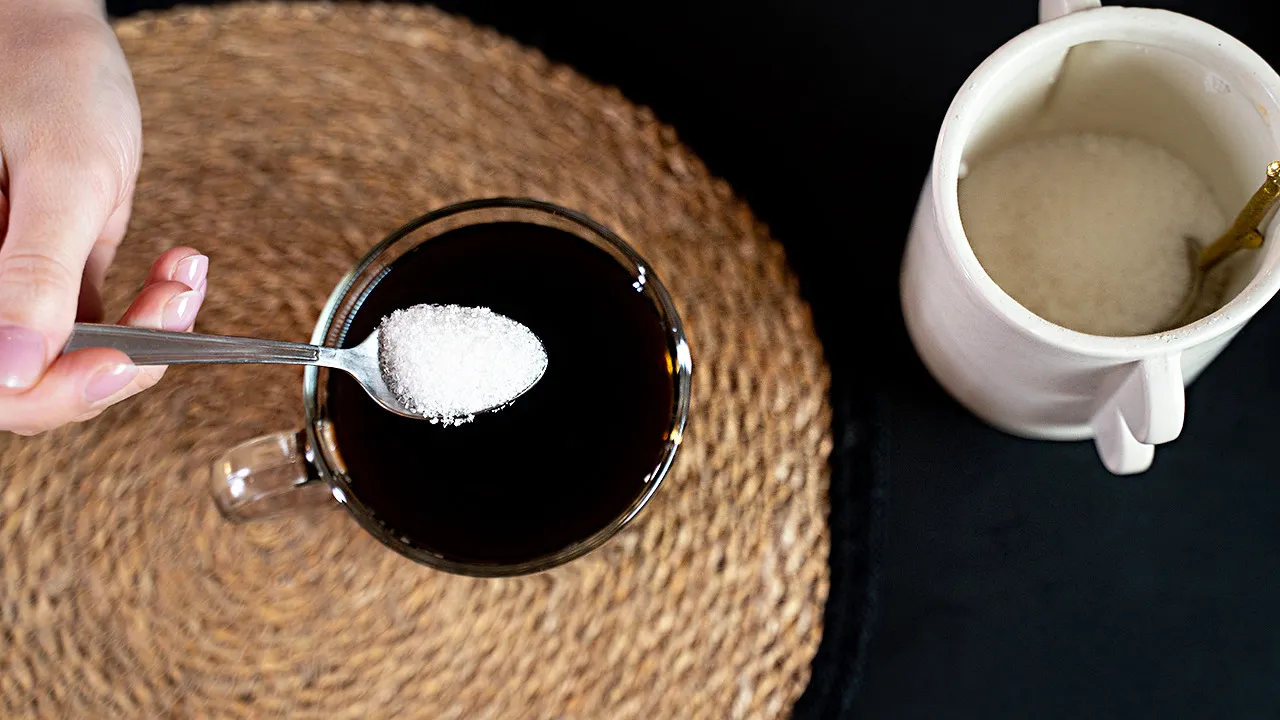
As we navigate the bustling landscape of food news, it’s exciting to note that Fox News has introduced a new feature allowing listeners to tune into articles audibly, making it easier to stay informed on the go. This innovation isn’t just about convenience; it’s a nod to how we’re consuming information in our fast-paced lives. Diving into the headlines, one of the intriguing stories revolves around those seemingly harmless guilt-free sweeteners we reach for to cut calories. Recent research suggests that these alternatives, often hailed as healthier options, might not be as benign as they appear. Blamed for potentially altering our genes in ways that could affect future generations, these swaps raise questions about the unseen costs of our dietary choices. Imagine sipping on a diet soda thinking you’re doing your body a favor, only to learn that the artificial compounds could leave a lasting imprint on your DNA, echoing into the lives of your children and grandchildren. It’s a sobering reminder that what we consume today might shape biological destinies down the line, prompting scientists to investigate further. This isn’t just about immediate health impacts like weight gain or metabolic issues; it’s about a potential domino effect across epochs. For instance, studies in lab animals have shown that certain artificial sweeteners can disrupt gut microbiomes, which in turn influence gene expression. While human data is still emerging, experts warn against assuming these products are entirely safe. Families might need to reconsider pantry staples, opting for natural alternatives like stevia or honey, which, though controversial in their own right, lack the long-term genetic concerns. As one researcher put it, we’re playing a genetic lottery every time we choose between sugar and its substitutes, and the outcomes could be unpredictable. This revelation underscores a broader conversation about food additives and how our quest for guilt-free indulgence might come at a hidden price. Parents are especially encouraged to think about the messages they’re sending to kids about eating habits, as these choices aren’t isolated decisions but part of a larger generational dialogue.
Meanwhile, the fast-food industry is investing in its future leaders in fascinating ways. Picture a hidden training hub tucked away within a major chain, where the next wave of restaurant managers is being meticulously molded. This isn’t your typical entry-level job; it’s a rigorous program designed to turn enthusiastic recruits into experts in operations, customer service, and innovation. Participants endure simulated high-pressure scenarios, learning everything from temperament to efficiency, all with the goal of elevating the dining experience nationwide. Alumni often emerge with skills that transcend the fry station, stepping into roles that influence thousands of locations. It’s a testament to how even the humblest eateries are prioritizing education and development, fostering a pipeline of talent that keeps the wheels of the fast-food machine turning smoothly. On a somewhat related note (or is it?), some of your favorite treats might not be as perfect as they seem. Take Costco’s renowned pastries, those flaky, buttery delights that draw crowds. There’s a practical reason they’re often served at room temperature rather than straight from the warm oven – mold prevention. The bakery’s protocol involves cooling these items to deter fungal growth, ensuring freshness without the risk of spoilage that heat might accelerate. It’s a behind-the-scenes peek into the logistics of large-scale baking, where quality control is paramount. Consumers might find it surprising, but it’s a smart move that balances safety with sensory appeal. After all, who wants to bite into a pastry only to encounter an unwelcome surprise – literally? This practice highlights how big-box retailers are proactive in maintaining standards, even if it means sacrificing that just-baked warmth. For fellow pastry lovers, the next visit might involve a bonus bag of knowledge about the science behind your dessert.
Shifting gears to the beverage front, Gen Z’s go-to ready-to-drink cocktails are sparking health discussions amid their rising popularity. These canned or bottled concoctions, with their vibrant flavors and easy accessibility, have captured the imaginations of young adults seeking quick thrills without the hassle of mixing. However, experts are raising alarms about their high potency, warning that the concentrated alcohol can lead to overconsumption and related risks like impaired judgment or dependency. It’s a double-edged sword: on one hand, they’re convenient and trendy; on the other, their strength might undermine responsible drinking. Studies suggest that the alcohol-by-volume levels in some of these drinks far exceed traditional cocktails, potentially increasing the likelihood of binge episodes. For Gen Z, who often posts these finds on social media, it could amplify peer pressure and normalize heavy sipping. Health professionals advocate for moderation, perhaps diluting these potions or spacing out servings. Similarly, in the realm of dining etiquette, restaurants are increasingly urging patrons to put down their phones during meals to fully engage with the experience. The directive is clear: forfeit the device, or miss out on the chef’s intention – the aromas, the flavors, the ambiance. It’s a rebellion against the modern habit of screen addiction, where capturing the perfect Instagram shot trumps presence. Diners report feeling more immersed when unplugged, leading to richer memories and deeper connections. This trend reflects a growing desire for mindful dining, encouraging families to talk, laugh, and savor without distraction. Interestingly, some establishments offer incentives for compliance, like complimentary bites or seating perks, turning phone détente into a win-win.
As a palate-cleansing interlude, let’s delve into some quick bites that offer value and novelty. For the budget-conscious foodie, under-the-radar spots providing all-you-can-eat feasts at suburban prices are a godsend. Hidden gems in lesser-touted areas serve up buffet-style abundance – think endless sushi, pasta stations, or salad bars – without the exorbitant city-center markups. These locales often fly under the radar, relying on word-of-mouth and customer loyalty rather than flash advertising. Patrons rave about the quality matching the quantity, with fresh ingredients and diverse options keeping repeat visitors hooked. It’s a savvy way to enjoy indulgence without going broke, perfect for families or groups looking to maximize dining dollars. On the wellness side, doctors are touting surprising pantry staples for better sleep, bypassing pricey supplements. Items like tart cherry juice, nuts, or even warm milk (an old wives’ tale with science backing) can promote melatonin production and relaxation. For instance, a handful of almonds before bed might ease restlessness, backed by their magnesium content. This approach emphasizes accessible solutions, encouraging people to leverage what they already have for tranquility. Finally, the viral world has cracked a simple at-home recipe mimicking Chick-fil-A’s beloved waffle fries – the crispy, salty upgrade to regular spuds. By soaking cut potatoes in hot water, frying them twice, and dusting with proprietary spices, home cooks can approximate the fast-food favorite. It’s proof that with a little know-how, you can recreate eatery magic without leaving the kitchen, sparking a wave of DIY experiments. Fans share amplified recipes online, from vegan twists to custom seasonings, proving the internet’s power to democratize gastronomy. These stories remind us that food innovation often starts small, with everyday hacks evolving into trends.
Bringing it together, the quote of the week comes from a sommelier who embarked on an ambitious feat: visiting dozens of top-tier restaurants in a record-breaking time, sprinting through tastings and tours. “I don’t think I want to do it again,” he admitted afterward, reflecting on the exhaustion and toll of such an endeavor. It wasn’t just about logistics; hurrying through fine wines and dishes diluted the soul of the experience – the slow appreciation, the nuanced pairings. This man’s journey, documented in vivid detail, serves as a cautionary tale against rushing indulgence. He revealed the behind-the-scenes pressures, from jet-lagged palates to the sheer impossibility of truly savoring each sip or bite under time constraints. It’s a humbling insight into the art of gastronomy, where quality trumps quantity, and patience is paramount. His reflections encourage food lovers to pace themselves, whether in a marathon tasting or a simple home dinner. Moreover, this anecdote ties back to broader themes in our summary: the unseen impacts of our choices, from sweeteners to social habits. By listening to accounts like his, we might rethink how we approach eating and drinking, opting for depth over speed.
In conclusion, these stories from the food world paint a rich tapestry of innovation, caution, and discovery, spanning health concerns to hidden efficiencies. The new auditory feature from Fox News enhances this narrative, inviting us to engage with content vocally as we multitask through our days. As we ponder generational genes altered by sweeteners or the calculated warmth of Costco treats, we’re reminded of food’s profound influence on our lives. Gen Z’s potent cocktails and phone-free dining push us toward balance, while cheap all-you-can-eats and sleep aids offer practical joys. And the sommelier’s tale underscores the value of mindful consumption. Collectively, they urge us to savor responsibly, informed by science and stories alike. Whether you’re tuning in or reading on, this is a call to deeper appreciation in an overstimulated world – because eating isn’t just nourishment; it’s a narrative of connection, health, and enjoyment that reverberates through generations. Let’s commit to making better choices, one bite and one sip at a time, ensuring the legacies we leave are ones of vitality and vitality. In doing so, we honor the intricate dance of flavor and fate, where every decision adds a chapter to our collective chronicle. Forward-thinking trends, from training hubs to at-home hacks, suggest a future where dining evolves symbiotically with tech and health imperatives. Ultimately, as consumers, we’re empowered to influence this shift, voting with our forks and palates for experiences that enrich without harm. This era of food exploration invites curiosity, compassion, and conscience, transforming simple acts into meaningful milestones. Embrace it, and watch as your meals become more than sustenance – they become stories worth sharing and cherishing indefinitely.