

Here is a humanized summary of the content, written in six paragraphs.
—
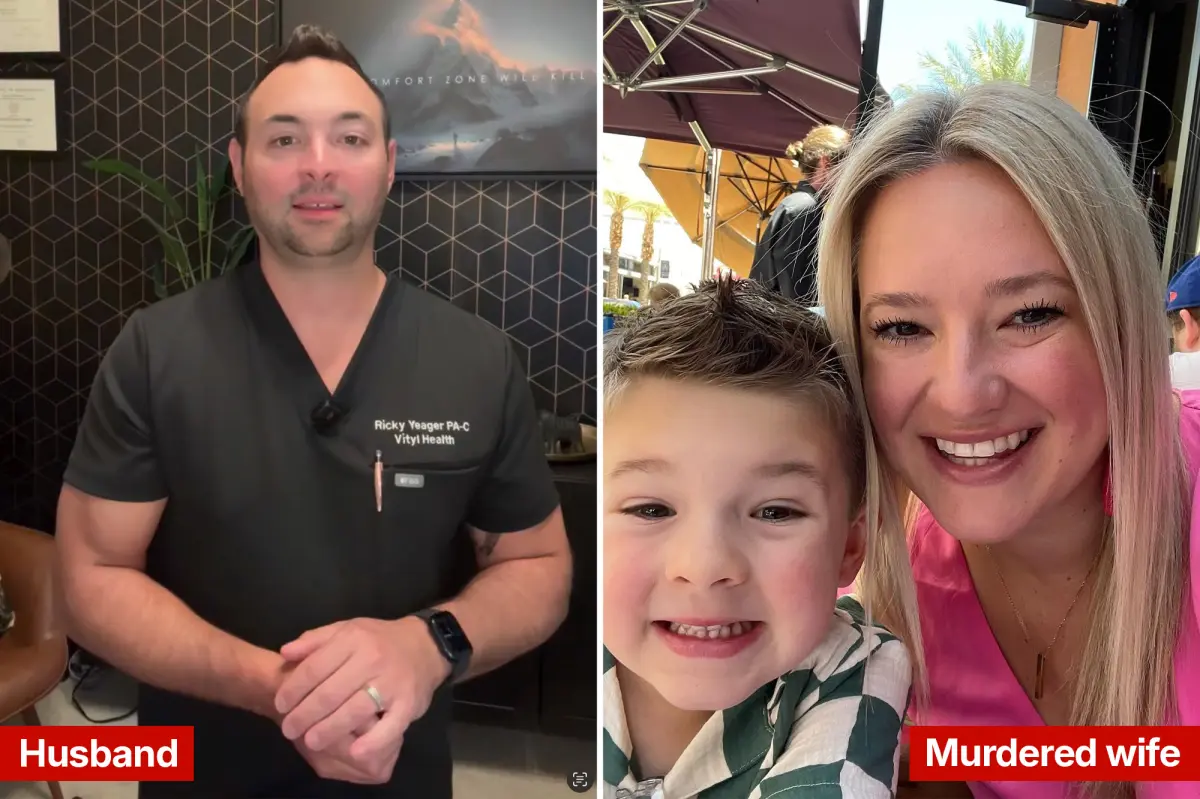
In the quiet, tree-lined suburbs of Meridian, Idaho, a community is reeling from a tragedy that has shattered the illusion of safety and left a young family forever broken. Violeta Yeager, a 37-year-old nurse known for her warmth and dedication, and her husband, Richard Yeager, 39, were found dead inside their home after authorities were dispatched for a welfare check. What officers discovered was not a medical emergency or an accident, but a chilling murder-suicide that has left neighbors, friends, and colleagues struggling to comprehend how a life that seemed so full of promise could end in such violence. The couple had recently uprooted their lives, moving with their young son to this Boise suburb in search of a better future—a future that was just beginning to blossom. The home, now an active crime scene, stands as a stark reminder that domestic violence does not always announce itself with visible warning signs, and that the happiest of facades can sometimes conceal the darkest of realities.
The official findings from the coroner’s office only deepened the somber mood surrounding the case. Violeta’s death was ruled a homicide, caused by multiple gunshot wounds to her chest and abdomen—injuries that speak to a brutal, deliberate act of violence. Richard’s death was ruled a suicide, bringing a final, devastating verdict to a relationship that had apparently fractured beyond repair. The details are graphic and unsettling, and they force those who knew the couple to confront the grim truth that the man Violeta had chosen as her partner, the father of her child, was the one who took her life before ending his own. For first responders and investigators, the scene was undoubtedly traumatic, a stark encounter with the worst outcomes of intimate partner violence. For the community, it raises painful questions: Were there cries for help that went unheard? Were there moments of tension that were dismissed as private matters? And how could a woman who was so devoted to caring for others have found herself in a situation so perilous that no one could save her?
Just sixteen days before the horrifying attack, Violeta had taken to social media to share her joy with the world, posting an affectionate and heartfelt update that now reads like a heartbreaking final chapter. “We are thriving in ways I don’t think we even expected… we couldn’t be happier with the life we’re building here,” she wrote on October 4th. The post was accompanied by happy photos of her with her little boy, images overflowing with the kind of simple, unguarded happiness that friends and family had come to associate with her. She spoke of looking back and confidently calling the move one of the best decisions they had ever made, and of watching their “little life fall into place” in their new Meridian home. Reading those words now, in the aftermath of such violence, is almost unbearable. They are a testament to her optimism, her love for her son, and her genuine belief that the future held nothing but good things. It is a poignant and painful reminder that the person who posts joyful updates is often fighting battles no one else can see, and that the gap between public perception and private despair can be tragically wide.
The Yeagers had moved to Meridian only six months earlier, leaving behind whatever came before to start anew in a community known for its family-friendly atmosphere and safe neighborhoods. Violeta had found her calling as a nurse, a profession that demands both skill and profound compassion, and she poured that same compassion into her role as a mother. The couple’s decision to relocate was framed as a fresh start, a chance to build a better life for themselves and their young son. From the outside, it appeared to be working. They had settled into a home, made connections, and were embracing the slower, more peaceful rhythm of Idaho life. But the move also removed them from their existing support networks—friends, extended family, and familiar surroundings that might have provided a safety net. In a new place, isolation can creep in silently, and stress can be magnified. While we may never know the specific pressures that led to the final, fatal outburst, the timeline suggests a sudden and shocking escalation. The same home that hosted happy family photos became the site of an unspeakable crime, proving that domestic violence can flourish anywhere, regardless of geography, class, or appearances.
The most heartbreaking dimension of this tragedy is the young son left behind, a child who has lost both parents in a single, violent act. He is now an orphan, forced to grow up carrying the weight of a story that no child should ever have to know. His future will be shaped by the love of relatives, counselors, and a community that must rally around him, but the scars of this night will remain. He will have to navigate birthdays, school events, and life milestones without the mother who beamed with pride in those Facebook photos, and without a father whose final actions will forever cloud his memory. The loss is not just personal but generational; the family’s bright future has been replaced by a legacy of pain. It is also a stark reminder that children are the silent victims of domestic violence, witnessing or absorbing tensions long before a situation turns lethal. Their experiences can echo for a lifetime, affecting their mental health, their ability to trust, and their understanding of love. In the weeks and months ahead, the focus must be on protecting this child, providing him with stability, and helping him understand that he was loved, even if the adults in his life made devastating choices.
This tragic event should compel us all to look deeper at the issue of domestic violence, which remains one of the most hidden and dangerous crises in our society. It reminds us that abusers often do not fit a stereotype, and that victims are often strong, capable, and outwardly happy people who are ashamed or afraid to admit what is happening behind closed doors. The abruptness of this case—from a joyful post to a double funeral in just over two weeks—is a stark warning that we cannot assume we know what goes on in our neighbors’ homes. We must learn to recognize the subtle signs of control, isolation, and fear that may be present even in relationships that seem picture-perfect. Friends, family, and colleagues should feel empowered to reach out, ask difficult questions, and offer support without judgment. For anyone living in fear, there are resources, hotlines, and shelters that can provide a pathway to safety. Violeta’s life mattered, and her death must not be in vain. By speaking openly about the realities of domestic violence, by supporting survivors, and by intervening early, we can honor her memory and work toward a world where no woman, no mother, and no child has to experience such profound heartbreak.