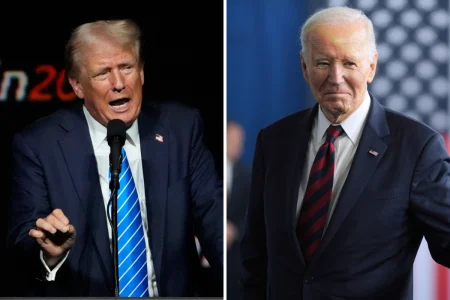






On June 17, a fleeting ray of hope pierced through the dark, suffocating clouds of global hostility when United States President Donald Trump and Iranian President Masoud Pezeshkian put pen to paper, signing a historic 14-point memorandum of understanding. To a world weary of endless escalations and the constant threat of international conflict, this diplomatic breakthrough felt like a collective, long-overdue sigh of relief, promising a precious 60-day negotiating window of de-escalation that could finally dismantle the suffocating naval blockade of Iran, reopen the economically vital Strait of Hormuz, and untangle the complex web of crippling economic sanctions. For ordinary human beings living in the shadow of this decades-long cold war—from the parents in Tehran struggling to buy medicine for their children under the weight of runaway inflation to the merchant mariners who risk their lives daily navigating the perilous waters of the Persian Gulf—the agreement was far more than a political document; it was a lifeline, a tangible path toward a normal, predictable life free from the constant terror of sudden violence. The signed memorandum required both nations to immediately halt all hostile military operations on all fronts, a mandate that initially brought a rare, fragile sense of optimism to a region that has known little but bloodshed and anxiety for generations. Yet, the ink on the document had barely dried before the harsh, unyielding realities of deep-seated ideological distrust, regional proxy alliances, and defensive paranoia began to gnaw at the edges of this fragile peace, proving once again that the distance between a formal handshake in a secure diplomatic hall and the volatile, blood-stained reality on the ground is often an almost insurmountable chasm of fear.
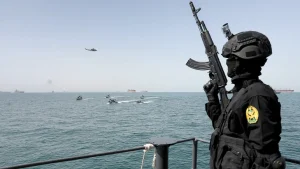
The first fractures in this delicate diplomatic facade appeared a mere two days later on June 19, when renewed outbreaks of intensive fighting between Israel and Hezbollah in Lebanon put the agreement to an immediate, agonizing test. From Tehran’s perspective, the spirit of the memorandum demanded an absolute cessation of hostilities across all proxy fronts, arguing that the continuing Israeli offensive in Lebanon directly undermined the very core of the peace deal, a view that sent panic through the diplomatic circles of the Middle East. In the living rooms of Beirut, where families huddled together listening to the distant, terrifying rumble of explosions, the grand promises made by Washington and Tehran felt distant and cruel, as the regional peace they had desperately prayed for was exposed as a selective, conditional truce that ignored their daily suffering. Meanwhile, Washington insisted that the peace process remained on track despite the violence, a bureaucratic dismissal that only fueled Iran’s growing suspicion that the United States was acting in profound bad faith. By June 20, Tehran openly accused the U.S. of failing to implement its promises, pointing to the menacing presence of the American naval fleet and unresolved disputes over maritime sovereignty in the Strait of Hormuz. For the sailors on those warships and the Iranian coastguards watching each other through binoculars, the tension was palpable; every movement of a rudder or adjustment of a radar screen carried the terrifying weight of potential miscalculation, turning a narrow waterway into a powder keg where a single sparked match of misunderstanding could ignite a global catastrophe.
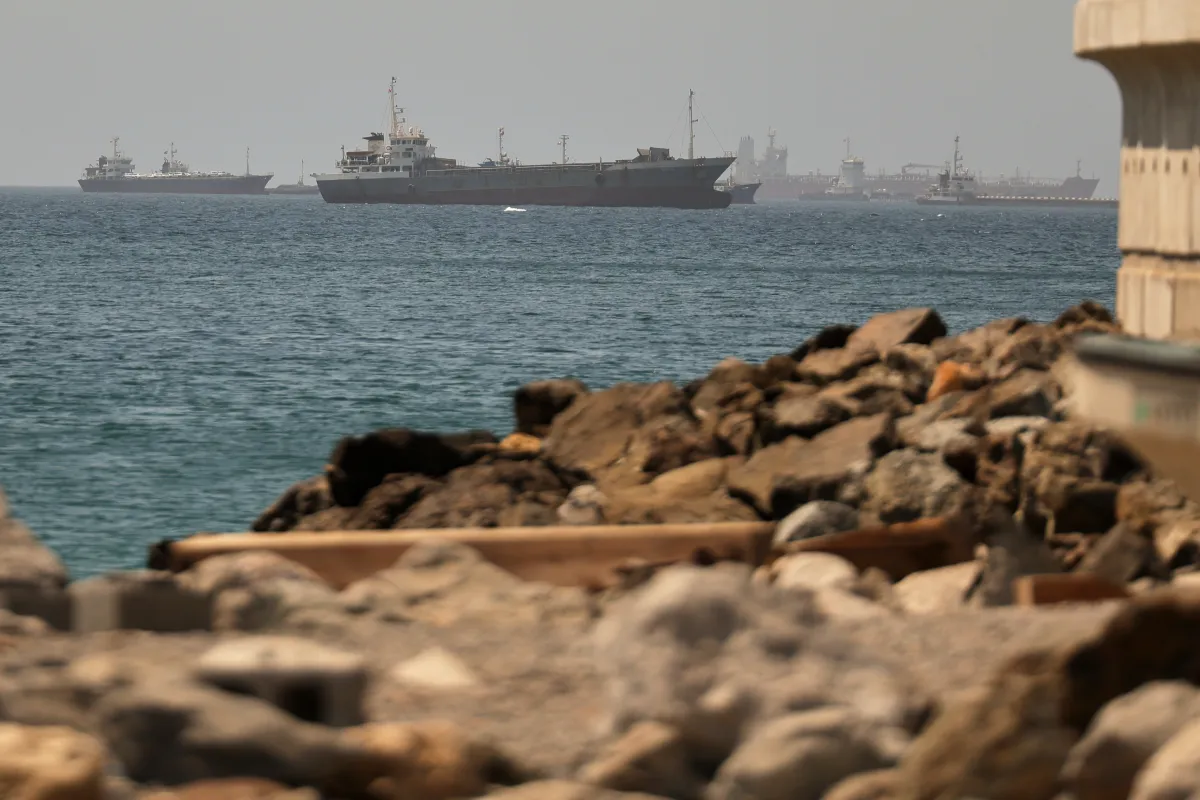
The spark that finally lit that powder keg came on June 25, not in the form of a military clash, but in the terrifying experience of innocent civilians aboard the Ever Lovely, a Singapore-flagged container ship making its routine transit through the Strait of Hormuz near Oman. In an instant, the peaceful hum of the ship’s engines was shattered by the deafening explosion of an unknown projectile tearing through the vessel’s bridge. For the twenty-one crew members on board, the attack was a waking nightmare; surrounded by shattering glass, screaming alarms, and the black smoke of burning electronics, they were suddenly thrust into the center of a geopolitical firestorm they had no part in making. Though miraculously all twenty-one sailors survived with only minor injuries, the psychological trauma of that morning reverberated far beyond the damaged hull of their ship, sending a shockwave of fear through the global maritime community. U.S. officials immediately blamed Tehran for the attack, while the International Maritime Organization took the drastic step of suspending vessel movements through the strait, effectively shutting down one of the world’s most critical energy arteries. For the families of merchant seafarers worldwide, the incident was a chilling reminder that in the high-stakes chess match between global superpowers, it is often the ordinary, defenseless workers of the world who are forced to serve as pawns, running a gauntlet of fire just to earn a living.
The fallout from the attack on the Ever Lovely was immediate and devastating, systematically dismantling whatever fragile trust remained between the two nations over the course of forty-eight chaotic hours. On June 26, President Trump, declaring that Iran had flagrantly violated its commitment to the ceasefire, ordered the U.S. military to launch a series of heavy retaliatory airstrikes targeting Iranian drone facilities, surveillance outposts, and air defense systems. In the target zones across Iran, the terrifying roar of incoming fighter jets and the earth-shaking thuds of precision bombs shattered the night, forcing defense personnel and nearby civilians to scramble into bunkers, their brief dreams of a peaceful summer evaporating in the smoke of burning military infrastructure. The following day, June 27, Iran fiercely rejected Washington’s narrative, arguing with equal vehemence that it was actually the American airstrikes that had shattered the peace treaty. Rather than using the diplomatic dispute-resolution channels painstakingly established under the memorandum, the United States had chosen the path of immediate military violence, a move that Iranian diplomats warned would inevitably derail the entire negotiation process. This tragic cycle of self-righteous retaliation revealed the core human tragedy of the conflict: both sides had convinced themselves of their own absolute innocence, viewing their own acts of violence as necessary defense while seeing the other’s actions as unprovoked aggression, leaving no room for the empathy required to save the peace.
The situation spiraled entirely out of control on June 28, when the United States carried out another wave of intense strikes under the justification that Iran had breached the agreement yet again, prompting a furious and desperate military response from Tehran. But this time, the violence spilled far beyond the immediate combatants, as Iran launched a barrage of missiles and explosive drones targeting installations in Bahrain and Kuwait, dragging neutral neighbors directly into the line of fire. In Manama and Kuwait City, ordinary families who had gone to sleep believing they were safe from the conflict were jolted awake by the wailing of air defense sirens and the terrifying, orange flashes of atmospheric interceptions overhead. The psychological sanctuary of these Gulf nations was shattered in an instant, replaced by the grim realization that their homes had become the new battleground for a conflict they did not seek. As citizens huddled in corridors and basements, clutching their frightened children, the Iranian government issued a chilling warning that the entire peace process would come to a complete and permanent halt if Washington did not immediately cease its military actions. The air in the region grew heavy with the smell of explosives and the suffocating feeling of helplessness, as millions of people realized that the promise of peace had been traded for the familiar, destructive language of fire and steel.
As the dust settles over a weekend of fire and mutual recriminations, the tragic unraveling of this short-lived peace agreement leaves behind a landscape of broken promises, heightened anxieties, and a profound sense of human despair. What was supposed to be a historic 60-day journey toward long-term stability has instead dissolved into a chaotic struggle for survival, leaving the world to contemplate the immense human cost of this diplomatic failure. For the millions of ordinary people caught in this geopolitical crossfire, the collapse of these talks is not an abstract policy debate, but a direct threat to their physical safety, their economic survival, and their hope for a peaceful future. The tragedy lies in the stubborn pride of leaders who found it easier to order airstrikes and launch missiles than to endure the slow, painful, and often humbling work of compromise and diplomatic dialogue. As both Washington and Tehran continue to point fingers and assign blame, they ignore the quiet, desperate cries of their own citizens and neighbors who simply wish to live without the constant shadow of war hanging over their heads. Ultimately, this ruined peace agreement serves as a somber, cautionary tale of how easily hope can be crushed when nations prioritize retaliation over reconciliation, leaving humanity to pay the devastating price of their hubris.