





The legendary, ivy-covered brick walls of Wrigley Field carry a unique kind of romantic magic during the sweltering dog days of mid-summer, a time when the gentle afternoon breeze off Lake Michigan brings either a cooling relief to the grandstands or the agonizing tension of a fierce pennant race. As the 2026 Major League Baseball season hurtles toward its highly anticipated late-July trade deadline, the collective heartbeat of the Chicago faithful is beating faster than it has in several years. For the Cubs, this season has officially ceased to be a mere building block or an exercise in patient rebuilding; they have decisively crossed the threshold into the high-stakes, pressure-cooker world of postseason contenders, declaring themselves active, aggressive buyers on the trade market. There is a palpable, almost electric sense of urgency radiating from the front offices of Clark and Addison down to the loyal bleacher bums, a shared understanding that window-of-opportunity moments in professional sports are remarkably fragile and must be seized with both hands. Yet, beneath the wave of optimism lies a cold, hard baseball reality: to survive the grueling, unforgiving marathon of October baseball, a team must possess an elite pitching staff capable of enduring immense physical and psychological pressure. Chicago’s current starting rotation has shown remarkable heart, playing through fatigue, nagging injuries, and tight games, but the dangerous cracks are starting to show under the heavy, exhausting workload of a 162-game schedule. The front office knows that if they wish to stand shoulder-to-shoulder with the elite powerhouses of the National League, they simply cannot afford to stand pat. They desperately need a dynamic, high-upside starting pitcher who can inject life into the clubhouse, absorb crucial late-season innings, and elevate the performance of the entire staff. This search has ignited a firestorm of speculation, pointing the Cubs toward a landscape-shifting trade that could bring one of the league’s most talented young left-handers to the North Side.
In the grueling landscape of modern Major League Baseball, pitching depth is not merely a strategic luxury; it is the absolute, non-negotiable lifeblood of any organization harboring realistic championship aspirations. The human body was not naturally designed to throw a hard leather baseball ninety-eight miles per hour ninety times a night, and as the exhausting mid-summer heat intensifies, the physical toll on a pitching staff transforms into a brutal, unforgiving war of attrition. Teams do not just lose critical baseball games in August and September because of a sudden lack of raw talent; they lose because they simply run out of healthy, capable arms to navigate through elite, relentless lineups. For the Cubs, the hunt for what front offices and baseball insiders pragmatically refer to as “bodies” has become an absolute daily obsession, driving intense conversations in the front office and among worried fans alike who analyze injury reports with bated breath. The club’s management team, which must constantly balance sophisticated, cold analytics with the fragile, human elements of clubhouse chemistry and player fatigue, understands that relying too heavily on unproven minor league prospects or an already exhausted bullpen is a recipe for a tragic late-season collapse. They need a proven competitor—someone who has survived the fiery trials of major league batters and can walk onto the mound at Wrigley Field with the quiet, unshakable confidence needed to handle the pressure of a city starving for another World Series trophy. This search is not merely about finding a temporary warm body to fill a vacancy every fifth day; it is about securing a pitcher whose psychological makeup allows them to thrive under the bright, blinding lights of Chicago’s passionate sports culture. The relentless grind of an MLB season requires a rare, precious combination of physical durability and mental resilience, and the Cubs are looking for a savior who can immediately alleviate the physical burden on their current rotation while infusing the entire roster with hope.
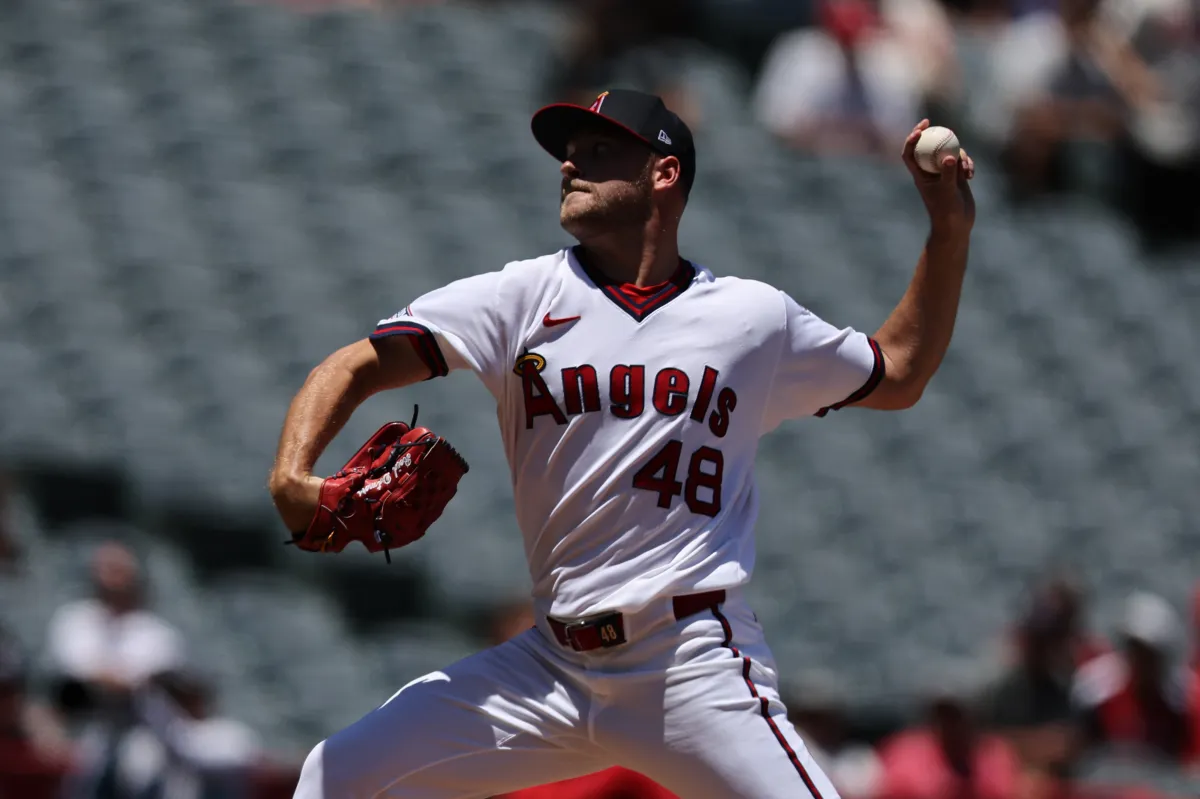
This pressing need brings us to the fascinating and deeply human case of Reid Detmers, a highly talented twenty-six-year-old left-handed pitcher who currently finds himself caught in the turbulent, often frustrating waters of a rebuilding Los Angeles Angels franchise. Detmers represents the classic baseball paradox: a young athlete possessed of tantalizing, elite raw talent who has had to battle through the emotional inconsistency and heavy psychological weight of playing for a struggling organization far removed from playoff contention. Through twenty-two games this season with the Angels, Detmers has compiled a deceptive 3-7 win-loss record, a 4.03 earned run average, and an incredibly impressive 145 strikeouts over his heavily contested innings. To the casual observer or the fantasy baseball enthusiast, a sub-.500 record might suggest a struggling pitcher who is failing to find his footing, but baseball purists and scout departments understand that wins and losses are a deeply flawed, outdated metric, heavily influenced by anemic run support and the lack of stellar defense behind him. The true, compelling story of Detmers lies in his remarkably high strikeout rate and his undeniable ability to completely miss major league bats, which showcases a premium repertoire of pitches—including a devastating, sweeping slider and a high-riding fastball—that can absolutely neutralize even the most potent and disciplined offenses in the game. Playing in Anaheim, away from the intense national spotlight and often pitching in quiet, half-empty stadiums, can slowly sap the competitive energy of even the most dedicated athlete. Yet, Detmers has kept his head down, continuously grinding through his mechanics, blocking out the noise, and showing flashes of absolute brilliance on the mound that hint at a frontline ace just waiting to be unlocked by the right environment. The human element of his career journey is one of profound resilience; he has experienced the astronomical highs of throwing a no-hitter early in his career and the humbling, painful lows of being optioned to the minor leagues to find his confidence.
In a highly discussed, deeply analytical, and widely circulated piece for The Athletic, renowned baseball writer and insider Sahadev Sharma sent major shockwaves through the Cubs fanbase by boldly predicting that Chicago will pull off an absolute blockbuster trade to acquire Detmers before the trade deadline clock officially strikes zero. Sharma did not sugarcoat the stark, painful reality of what such a monumental transaction would actually entail, predicting that “the Cubs acquire Reid Detmers and pay a hefty price for him,” while emphasizing that Chicago simply needs reliable, high-quality starting pitching immediately if they hope to survive the grueling summer stretch and make a deep postseason run. The phrase “hefty price” carries an incredibly heavy emotional and strategic weight within the tight-knit baseball community, pointing directly to the painful, agonizing sacrifices a major league front office must make in order to win in the present moment. For the Cubs, acquiring a premium young talent of Detmers’ caliber means parting ways with some of their highly coveted, beloved top prospects—young athletes who have spent years in minor league towns dreaming of making their major league debuts in Wrigley Field, only to find their lives suddenly upended by a sudden phone call informing them they must pack their bags and move to a different city across the country. It is a poignant, bittersweet reminder of the cold, corporate, and sometimes ruthless nature of professional sports, where the personal lives and dreams of young players are constantly negotiated and exchanged like assets on a financial balance sheet. Yet, from a purely competitive and strategic standpoint, Sharma’s prediction makes perfect sense because it addresses an immediate, catastrophic structural crisis with a high-impact, long-term solution. The Cubs’ executive management must carefully and emotionally weigh the long-term cost of trading away their future stars against the golden, fleeting opportunity to bring a fiery, talented competitor into a clubhouse that is desperately crying out for help.
What makes a potential blockbuster trade for Reid Detmers far more than a desperate, short-term panic move is his exceptionally attractive, highly valuable contract situation, which offers the Chicago front office something far more precious than a temporary pitching band-aid: long-term strategic stability. Unlike typical trade-deadline acquisitions who are rapidly approaching free agency—often referred to as transient “rentals” who play for a few fleeting months before packing their bags and walking away to the highest bidder in the winter—Detmers remains under team control through the entirety of the 2028 season. This crucial distinction is absolutely monumental for a franchise actively trying to build a sustainable, yearly culture of winning on Chicago’s North Side rather than just catching lightning in a bottle for one brief autumn. When a front office makes the painful decision to trade away premium young prospect talent, they want to know that the player they are receiving in return will become a true, permanent cornerstone of their team and local community, someone who can bond deeply with the fans, put down roots in the city, and grow alongside the existing core of the roster. For a young starting pitcher, this kind of long-term contractual security is equally vital to their development, as it allows them to escape the constant, looming anxiety of playing on a temporary, year-to-year basis and instead invest themselves fully in their new team’s physical and mental preparation programs. The deep human element of having a guaranteed professional home for the next three years cannot be overstated; it fosters a profound, comforting sense of belonging and peace of mind that almost always translates directly to superior, relaxed performance on the pitcher’s mound. This multi-year control allows the coaching staff to plan for the future with incredible confidence, knowing they have a young, high-strikeout left-hander to anchor their rotation for several summers to come, turning a simple trade into a foundational pillar of the franchise’s ongoing success.
Ultimately, as the clock ticks closer to the 2026 trade deadline, the potential marriage between Reid Detmers and the Chicago Cubs represents the ultimate high-risk, high-reward drama that makes baseball so deeply captivating to the human spirit. For the passionate individuals who pack the historic grandstands of Wrigley Field day after day, chanting and cheering through every hot afternoon and cool evening, a bold move of this magnitude signifies that the organization is fully committed to giving them the thrilling October baseball they so richly deserve. On paper, the fit between Detmers and the Cubs is absolutely seamless and incredibly logical, addressing a glaring, dangerous vulnerability with a high-strikeout, high-potential young left-hander who matches the competitive window of the team’s emerging core players. But far beyond the cold statistics, the endless trade rumors, and the media projections lies the beautiful, glorious unpredictability of human performance—how a young, talented man might respond to a sudden change of scenery, how a tight-knit clubhouse will welcome a new brother-in-arms, and how an entire sports-crazy city will eagerly embrace a new pitching hero. Whether the Cubs’ front office can successfully navigate the complicated negotiations, pay the “hefty price,” and finalize a deal with the Angels remains to be seen, but the mere possibility has injected an undeniable, electric energy into the Chicago summer air. If this landmark trade is ultimately completed, Reid Detmers will not just be wearing a different color uniform; he will be stepping onto one of the most hallowed, historic mounds in sports history, carrying the hopes, dreams, and passionate aspirations of millions of fans who are ready to watch him write the next great, triumphant chapter in the storied legacy of the Chicago Cubs.