





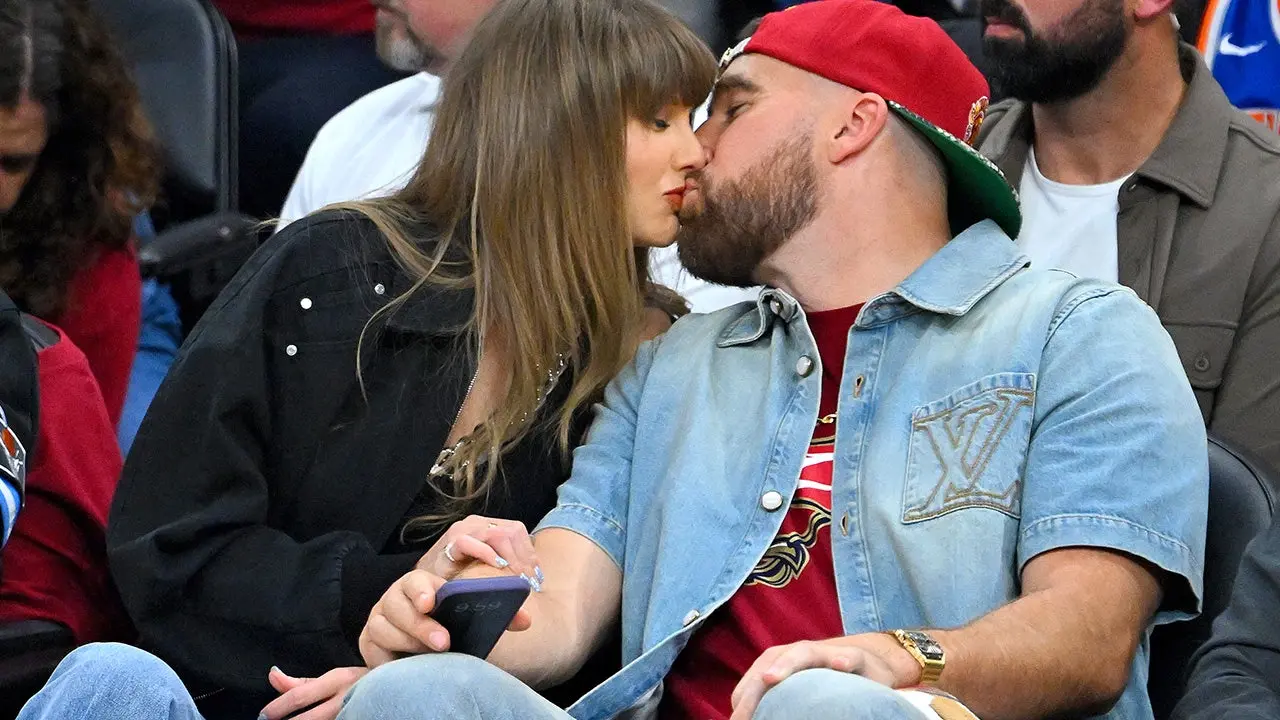
The news that pop icon Taylor Swift and NFL star Travis Kelce have reportedly requested “absolutely no gifts” for their highly anticipated wedding has reignited a timeless and deeply relatable debate among wedding guests everywhere: when a couple explicitly asks for nothing, are we truly supposed to show up empty-handed? San Francisco 49ers tight end George Kittle recently sparked this conversation after revealing the couple’s strict policy during a chat at the Tight Ends & Friends concert in Nashville. Even close friends are finding the rule difficult to navigate; Kittle himself admitted he might bend the guidelines to gift Kelce a rare, old coin, knowing the Chiefs tight end’s penchant for collecting them. This playful dilemma highlights a universal truth about weddings: even when couples attempt to alleviate the burden of gift-giving, our natural impulse to celebrate their milestone with a physical token of affection often overrides their written wishes, turning a generous gesture of relief into a puzzling etiquette riddle for loved ones.
To understand why couples like Swift and Kelce are opting out of the traditional registry, one must look at how much the landscape of romance and cohabitation has transformed over the decades. Historically, wedding registries served a pragmatic purpose, helping young newlyweds establish a brand-new household from scratch with essential kitchen appliances, linens, and dinnerware. Today, however, the vast majority of partners already share a home long before they walk down the aisle—a reality backed by survey data showing that a staggering 92% of engaged couples are already living together. Florida-based etiquette expert Jacqueline Whitmore pointed out that this shift makes “no gift” requests a welcome relief for guests, dryly noting that a multi-millionaire superstar and a high-earning professional athlete certainly do not need another toaster. By removing the material aspect of the celebration, modern couples are shifting the spotlight away from consumerism and refocusing it entirely on the communal joy of their union.
According to etiquette professionals, respecting a couple’s request to forgo gifts is not just polite; it is a vital step in maintaining the proper spirit of the occasion. Lisa Mirza Grotts, a California-based etiquette expert and founder of Golden Rules Gal, emphasizes that a wedding should never feel like a cold financial transaction or an admission fee for a party. She distinguishes a wedding card from a standard dinner party hostess gift, urging guests to honor a couple’s wishes when they express a clear desire for a gift-free event. When we insist on buying physical items anyway, we risk cluttering their homes and inadvertently violating their boundaries under the guise of generosity. True etiquette is deeply rooted in matching the wishes of the hosts, ensuring that their celebration remains an open, pressure-free gathering of friends and family rather than a high-stakes exchange of material goods.
For well-meaning guests who simply cannot shake the feeling of arriving completely empty-handed, modern culture has embraced several creative alternatives, most notably charitable giving. This concept was beautifully demonstrated when Swift’s close friend Selena Gomez tied the knot with music producer Benny Blanco, directing their guests to skip traditional gifts and instead make donations to the Rare Impact Fund, a charity focused on expanding access to mental health resources. Etiquette consultant Diane Gottsman agrees that supporting a meaningful cause is a wonderful way to honor the newlyweds, a sentiment echoed widely across online communities where many agree that a heartfelt card paired with a philanthropic donation is the ultimate compromise. By redirecting the financial energy of a wedding toward a worthy nonprofit organization, guests can celebrate the couple’s love while simultaneously making a positive and lasting impact on the wider world.
However, the charitable alternative comes with its own unique set of complications, especially when dealing with ultra-wealthy public figures and global icons. San Diego-based etiquette expert Elaine Swann, author of Elaine Swann’s Book of Modern Etiquette, warns that guests must exercise extreme caution and thoughtfulness before donating money in the name of famous couples like Swift and Kelce. Because high-profile celebrities have highly curated brands, public images, and strategic partnerships, they must be incredibly selective about which organizations, causes, or political entities their names are associated with. An unapproved donation to a controversial or highly politicized charity can unintentionally create public relations headaches for the couple, turning a well-intentioned gesture into an awkward brand alignment. Therefore, guests who wish to take the philanthropic route should stick closely to charities the couple has publicly and explicitly supported in the past, keeping their generosity safe, respectful, and on-brand.
Ultimately, the “no-gift” conversation serves as a gentle reminder of what weddings are truly meant to celebrate: the deep, genuine connection between two people and the community of loved ones who stand beside them. Lisa Mirza Grotts beautifully summarizes this by reminding us that gifts, whether they take the form of physical items, online donations, or cash envelopes, should always be voluntary expressions of love rather than a transactional reimbursement for the cost of the reception. A healthy approach to modern wedding etiquette begins and ends with mutual respect, generosity of spirit, and heartfelt gratitude. Whether the couple in question is a pair of world-famous superstars embarking on a highly publicized marriage or everyday sweethearts quietly celebrating in their backyard, the most valuable present a guest can ever offer is their warm presence, their shared joy, and their sincere wishes for a lifetime of happiness together.