



The United States defense establishment is experiencing a profound and unsettling wake-up call, as the Pentagon aggressively pressures major domestic defense contractors to rapidly accelerate their manufacturing output. In a newly disclosed, high-stakes directive, Deputy Defense Secretary Steve Feinberg issued a stern ultimatum to industry executives, giving them a mere 21 days to deliver comprehensive, aggressive strategies to speed up assembly lines and dramatically bolster production capacity for critical military assets. This urgent mobilization follows months of intense engagement in the Middle East, which has severely taxed the nation’s readiness and exposed deep vulnerabilities in its supply chains. For decades, the defense sector operated under the comfortable assumption of prolonged, peacetime development cycles, where multi-year testing and sluggish procurement schedules were the norm. Feinberg’s memo decisively shatters this status quo, bluntly declaring that such leisurely timelines are no longer acceptable in an era defined by immediate, high-intensity conflict. By demanding swift, practical overhauls to production pipelines, the Pentagon is attempting to shift the entire defense industrial base from a bureaucratic, peacetime cadence to an active, resilient wartime footing, forcing corporate executives to confront the sobering reality that military readiness is now measured in weeks and days rather than years.
This dramatic shift in urgency reflects a broader, systemic effort by the Department of Defense to modernize its heavily institutionalized acquisitions system, which critics have long described as archaic, risk-averse, and dangerously slow. Pentagon spokesman Sean Parnell recently emphasized that since the very beginning of Defense Secretary Pete Hegseth’s tenure, the department’s primary directive has been to inject unprecedented speed, volume, and lethal capability into what policymakers proudly call the “Arsenal of Freedom.” Deputy Secretary Feinberg has emerged as a central, driving force in this monumental undertaking, tasking himself with the grueling work of dismantling decades of red tape and reformulating how the military-industrial complex partners with private enterprise. Historically, the relationship between the Pentagon and its primary contractors has been bogged down by endless administrative hurdles, redundant testing protocols, and specialized design loops that delay deployment. However, the current administration’s strategy hinges on direct, unfiltered collaboration with corporate leaders to bypass these structural bottlenecks, emphasizing that the sheer velocity of modern threats demands an equally agile manufacturing response. This operational pivot is not merely about writing larger checks; it is a fundamental cultural realignment aimed at ensuring that the brave men and women stationed on the frontlines are never left waiting for the life-saving technologies and ammunition they need to survive.
The true gravity of this crisis becomes painfully clear when examining the state of America’s premier air defense systems, which have been severely depleted by months of intensive intercept operations against Iranian drones and missiles. Detailed analytical assessments from the Center for Strategic and International Studies (CSIS) reveal a stark and troubling decline in the nation’s premier defense shields, specifically the Patriot and Terminal High Altitude Area Defense (THAAD) missile systems. According to the data, the American inventory of Patriot interceptors plummeted from a pre-war high of 2,330 down to approximately 1,030 by the time a temporary ceasefire was implemented in April, and subsequent hostilities have further dragged those numbers down to a critical level of between 759 and 827 units—representing a catastrophic drop of at least 65 percent. The situation is equally precarious for the highly specialized THAAD systems, which saw their stockpiles fall from 452 interceptors to a historical low of under 280, leaving a deficit of nearly 40 percent that has only been marginally patched by emergency replenishment efforts. For the military strategists tasked with protecting allied airspace, these numbers are not abstract data points; they represent a terrifying operational reality where air defense batteries must ration their fire, potentially allowing hostile munitions to slip through the shield and strike vulnerable civilian populations or military installations.
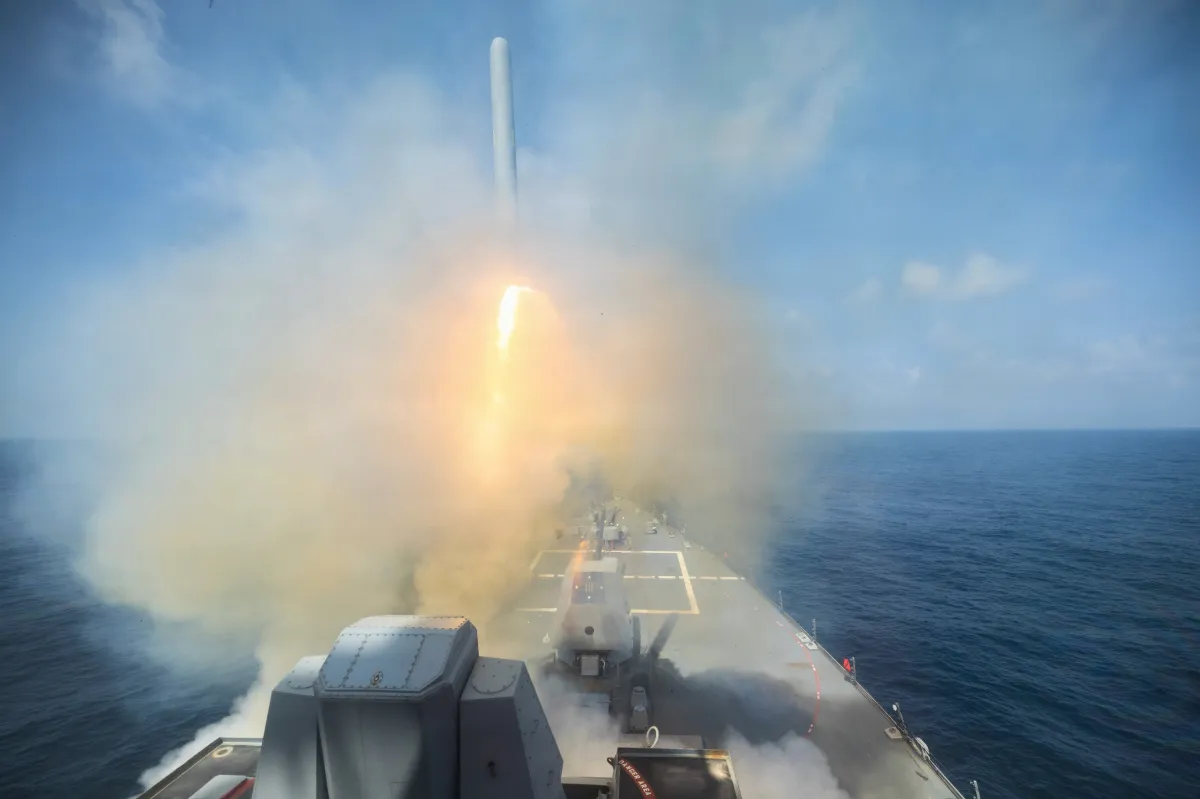
Compounding this immediate tactical vulnerability is the daunting reality of industrial recovery timelines, as replenishing these highly sophisticated, precision-engineered weapons systems is an incredibly slow and complex process that cannot be solved by money alone. Experts warn that even with unlimited financial backing and around-the-clock factory shifts, it will take a minimum of three years to fully restore depleted stockpiles of Patriot, THAAD, and Tomahawk cruise missiles to their pre-conflict levels. The human element of this manufacturing bottleneck is profound, as these weapons are not mass-produced on simple, automated assembly lines; they require highly specialized, rare-earth materials, advanced microelectronics, and the meticulous craftsmanship of elite aerospace engineers who are in incredibly short supply. Every single interceptor missile is a marvel of modern technology, requiring complex solid-fuel rocket motors, highly sensitive guidance sensors, and rigorous quality assurance testing to ensure they perform flawlessly in the heat of combat. Consequently, the defense industrial base is facing a severe labor and material crunch, as suppliers struggle to source raw ingredients and train a new generation of skilled industrial workers capable of meeting the sudden, massive spike in demand, highlighting a systemic fragile dependency that endangers long-term national security.
This industrial strain is further exacerbated by staggering economic costs and intense political gridlock in Washington, where the staggering financial toll of foreign intervention has sparked a fierce legislative battle. Defense Secretary Pete Hegseth recently informed congressional leaders that the ongoing military operations related to the conflict with Iran have already drained an estimated $37.5 billion from the federal coffers, a massive sum covering both active combat deployments and projected operational needs through the end of the fiscal year. This massive expenditure has arrived at a moment of deep division on Capitol Hill, where a crucial defense spending bill remains completely stalled as lawmakers express deep frustration over unilateral military actions and fiercely resist the White House’s ambitious request to skyrocket the overall Pentagon budget to an unprecedented $1.5 trillion. Many representatives are balking at this requested increase from the previous year’s $900 billion budget, demanding greater accountability, clearer strategic objectives, and reassurance that domestic priorities are not being entirely sidelined to fund open-ended foreign conflicts. This political impasse leaves military planners in a precarious position, forced to balance the urgent, immediate demands of global deterrence against the harsh reality of a fractured government hesitant to write blank checks.
In the midst of this bureaucratic and legislative storm, a complex internal debate has emerged within the executive branch regarding the actual severity of the military’s supply shortages and how those realities should be communicated to the public. President Donald Trump has publicly downplayed reports of critical vulnerabilities, asserting on social media that the United States possesses immense reserves of state-of-the-art weaponry and that factories are continuously churning out hardware to meet ongoing demands. Yet, despite this reassuring political messaging, career officials within the Pentagon remain deeply committed to their aggressive industrial push, quietly preparing the groundwork to integrate the lessons of this current supply crisis into the long-term fiscal year 2028 budget proposals. This stark contrast between high-level political rhetoric and the gritty, logistical realities faced by defense planners highlights the delicate balancing act at the heart of modern American governance, where the necessity of maintaining an image of absolute global dominance often clashes with the practical, exhausting work of rebuilding a depleted military. Ultimately, the outcome of this coordinated effort to revitalize the nation’s industrial base will not only dictate the safety of troops stationed overseas but will also determine whether the United States can maintain its role as a reliable global security guarantor in an increasingly volatile and unpredictable world.