





The Upset in Hungary: A Win for Democracy or a Blow to Trump’s Allies?
It’s not every day that a powerhouse like Hungarian Prime Minister Viktor Orbán, who ruled with an iron fist for 16 years, gets knocked out of power in an election. But that’s exactly what happened this past Sunday, and it hit the global stage hard. Orbán, known for his tough, nationalist style—often called “illiberal democracy”—finally conceded defeat after projections showed his Fidesz party losing badly to the opposition led by Péter Magyar and his Tisza Party. Magyar’s crew is eyeing a supermajority in parliament, a total flip after Orbán’s long reign. What really caught the world’s eye was the reaction from U.S. Republican Senator Thom Tillis, who posted on X (formerly Twitter) celebrating the outcome as a victory for democracy over autocracy. Orbán has been a buddy of President Donald Trump and his MAGA crowd, so this felt like more than just European politics—it was personal for American conservatives.
Dig deeper, and you see why this matters so much. Orbán wasn’t just Hungary’s leader; he symbolized a whole movement that Trump has embraced and promoted. Think of him as the poster boy for nationalist populism that trumpets strongman rule while thumbing its nose at traditional democracy. Trump has sung Orbán’s praises repeatedly, even using Hungary as a blueprint for what America could look like under similar ideas. MAGA-aligned groups in the U.S. pointed to Orbán as proof that you could bend democratic norms without breaking them entirely. His loss punches a hole in that network, especially with Trump gearing up for another White House run. It exposes real cracks in the Republican Party, where figures like Tillis are pushing back against Trump’s foreign-policy playbook, questioning if cozying up to leaders like Orbán helps or hurts America’s standing.
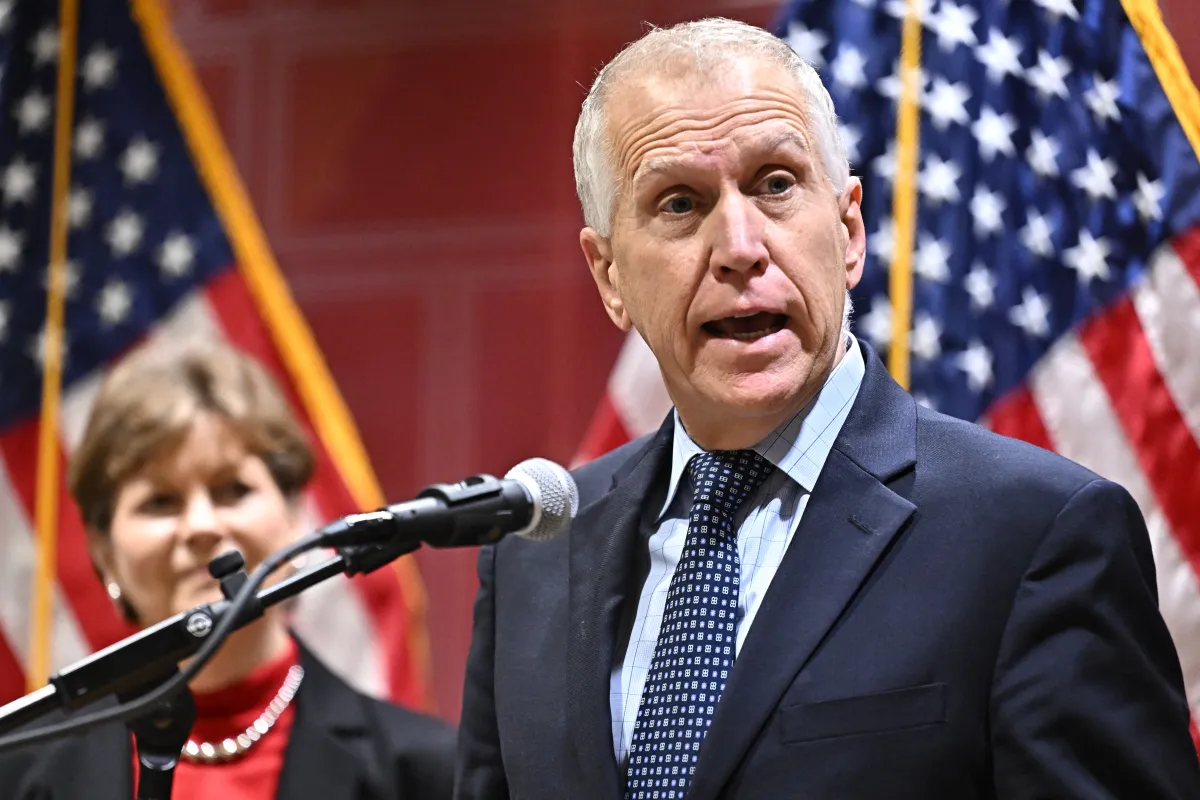
Tillis, a North Carolina senator who’s been serving since 2015, has made it clear he’s not buying into Trump’s vision of the world. While Trump sees allies in strongmen who attack NATO and side with Russia, Tillis warns that this undermines U.S. credibility and security. In his X post, he went all-in on the win: “Congratulations to Péter Magyar on his election as Hungary’s new leader. This outcome underscores the power of democracy and NATO prevailing over the previous regime’s support for autocracy and Putin.” It’s a direct jab at Orbán’s pro-Putin stance, calling it out as a threat to Western alliances. Earlier this year, Tillis flat-out labeled Orbán “a puppet to Putin,” especially over Hungary’s stalling of Ukraine aid, which ruffled feathers in the EU. This isn’t just talk—it’s part of Tillis’s track record of standing up to Trump on issues like attacking NATO, arguing that it weakens America’s defenses against foes like Russia or China. It’s brave in a party where loyalty to Trump often trumps everything else.
To understand the full picture, rewind to the election itself. Hungarians, tired of Orbán’s one-man show, voted in droves for change. The opposition united under Magyar, a former Fidesz insider turned critic, promising reforms and reconciliation with Europe. Orbán, for his part, called the result “painful but clear,” a sign he knows the game is over. His close ties to Trump were on full display: Trump endorsed him publicly, and Vice President JD Vance even popped over to Budapest just days before the vote to rally support. It was seen as a high-stakes endorsement, making the loss doubly embarrassing for the Trump orbit. Under Orbán, Hungary—a EU member—acted more like a spoiler, blocking aid to Ukraine and clashing with Brussels. Now, analysts say, Magyar’s government might shift back toward cooperation, strengthening Europe’s unity at a time when it’s under strain.
Tillis’s stance highlights a deeper divide in the GOP, one that’s been brewing amid Trump’s foreign-policy quirks. While Trump champions Orbán as a model of tough leadership, Tillis and a few others see him as a liability that invites authoritarianism into America’s sphere. This isn’t new—Tillis has clashed with Trump on attacking NATO allies, downplaying the importance of international partnerships, and even on Russia, where he accuses the former president of being too soft on Putin. In a party where Trump’s word is gospel for many, Tillis’s willingness to defy him on these points feels like a quiet rebellion. It risks his standing with the base, but he frames it as protecting national interests. With election season heating up, this Hungary upset could force Republicans to pick sides: stick with Trump’s “America First” isolationism or embrace alliances that Tillis argues keep us safe.
Looking ahead, Hungary’s shake-up promises big changes at home and abroad. Magyar says he’s committed to repairing ties with the EU and NATO, ditching the confrontation Orbán built his legacy on. That could mean faster aid to Ukraine and less friction in Brussels, where NATO’s leadership makes its home. For the U.S., this strengthens the case for democracies sticking together, but it also sharpens GOP infighting. Will more senators follow Tillis’s lead, or will Trump’s influence keep the party aligned with far-right figures? As polarization rips through America, events like this show how overseas votes ripple into our debates on democracy, alliances, and leadership. In a world where strongmen rise, moments of democratic triumph like this remind us why fighting for it matters—even if it’s messy. If you’re into journalism that dives into these connections without falling for hype, consider supporting outlets like Newsweek, which pushes for bold, fact-driven coverage. It’s not about playing it safe; it’s about keeping the center strong and ideas alive. Becoming a member means ad-free reads, exclusive insights, and chats with editors—join in to help courageous reporting thrive. (Word count: 1,042)