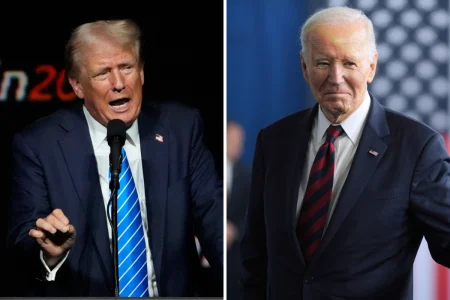






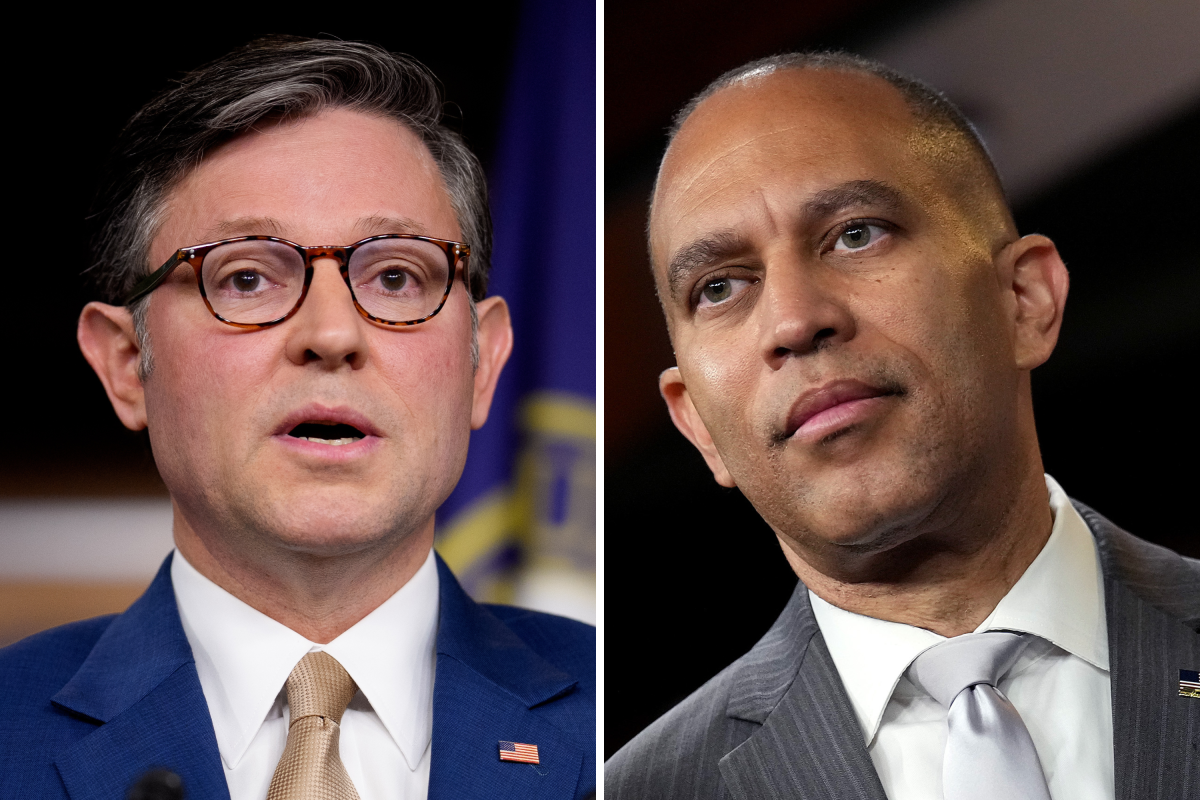
With just four months remaining before the pivotal midterm elections, the battle for control of the House of Representatives is shaping up to be a high-stakes national referendum on President Donald Trump’s administration. For Democrats, the stakes could not be higher: regaining the House majority would grant them the legislative leverage and committee oversight needed to serve as a robust constitutional check on the President’s conservative agenda. Should they succeed, House Minority Leader Hakeem Jeffries of New York is poised to ascend to the speaker’s rostrum, replacing the current Republican Speaker, Mike Johnson of Louisiana. Strategists on both sides of the aisle are watching the calendar closely as candidates gear up for an intense final stretch of campaigning, fundraising, and voter mobilization.
Historically, the political party holding the White House faces steep uphill climbs during midterm cycles, frequently losing a significant number of congressional seats as voters express their dissatisfaction with the status quo. This historical headwind, combined with President Trump’s declining public approval ratings, has injected a surge of cautious optimism into the Democratic establishment. Voters are increasingly vocal about their frustrations regarding the rising cost of living, stubbornly high gas prices, and the economic anxieties tied to the ongoing conflict with Iran. While early polling represents only a temporary snapshot of the public mood, the consistent trend lines suggest that the electorate is frustrated, anxious, and increasingly receptive to a shift in of legislative power on Capitol Hill.
This shifting national mood is vividly reflected in the latest generic congressional ballot polling, where Democrats have carved out a notable and consistent lead over their Republican counterparts. Because the GOP currently hangs onto a razor-thin 218-to-212 majority, Democrats need to net only a handful of seats to reclaim the speaker’s gavel. Recent data highlights this momentum: a Scripps News survey of 2,000 registered voters showed Democrats holding a nine-point advantage, 48 percent to 39 percent. Similarly, a Morning Consult and CATO Institute poll placed Democrats ahead by six points, while a Quinnipiac University poll showed a seven-point margin of 49 percent to 42 percent. Even more conservative-leaning commentators have sounded the alarm for the GOP; former New Jersey Governor Chris Christie warned that his party might be steering toward a “monumental defeat” if they do not reconcile their platform with the practical concerns of moderate swing voters.
The financial and speculative sectors are also reflecting this pro-Democratic shift, with political prediction markets overwhelmingly favoring a change in House leadership. Platforms like Polymarket and Kalshi have recently survival-tested these projections, giving Democrats an 84 percent and 81 percent chance, respectively, of securing the chamber. These numbers represent a healthy recovery from earlier in the spring, when a series of disadvantageous redistricting maps in states like Florida and Virginia threatened to blunt the Democratic path to victory. While Republicans continue to benefit from aggressive line-drawing in deep-red states like Texas, Democrats have successfully counterbalanced those losses with defensive victories and strategic redistricting maneuvers in progressive strongholds such as California, preserving their viable, albeit narrow, path to a majority.
The ultimate fate of the House will be decided in a small, highly competitive band of swing districts, with the Cook Political Report currently classifying 18 races as pure toss-ups. Interestingly, the battlefield layout favors the challengers, with 14 of those 18 toss-up seats currently held by Republicans. These vulnerable GOP incumbents—including fresh faces like Juan Ciscomani in Arizona, Mike Lawler in New York, and Jen Kiggans in Virginia—are finding themselves forced to defend their records in moderate districts that are highly sensitive to national economic headwinds. Meanwhile, only four Democratic incumbents face similarly precarious toss-up races, and party leaders are resource-mobilizing aggressively to protect battle-tested representatives like Marcy Kaptur of Ohio and Vicente Gonzalez of Texas from being swept away by localized conservative shifts.
As the race enters its final, decisive phase, Democrats are strategically focusing their messaging on the kitchen-table economic anxieties that are currently driving voter dissatisfaction. With polls showing that nearly 58 percent of Americans—and an overwhelming 68 percent of critical independent voters—disapprove of President Trump’s job performance, the opposition party senses an opening. House Democratic Leader Hakeem Jeffries has aggressively sought to link Republican leadership to high inflation, elevated fuel costs, and international instability, framing a Democratic victory as the pragmatic solution to a stalled economy. With summer primaries wrapping up and the November 3 general election rapidly approaching, both parties are preparing for a barrage of local ad campaigns and public debates that will ultimately decide the balance of power in Washington.