


Here is a summarized and humanized version of the provided content, expanded into six rich, narrative paragraphs.
Paragraph 1: The Shattered Dream in Milwaukee
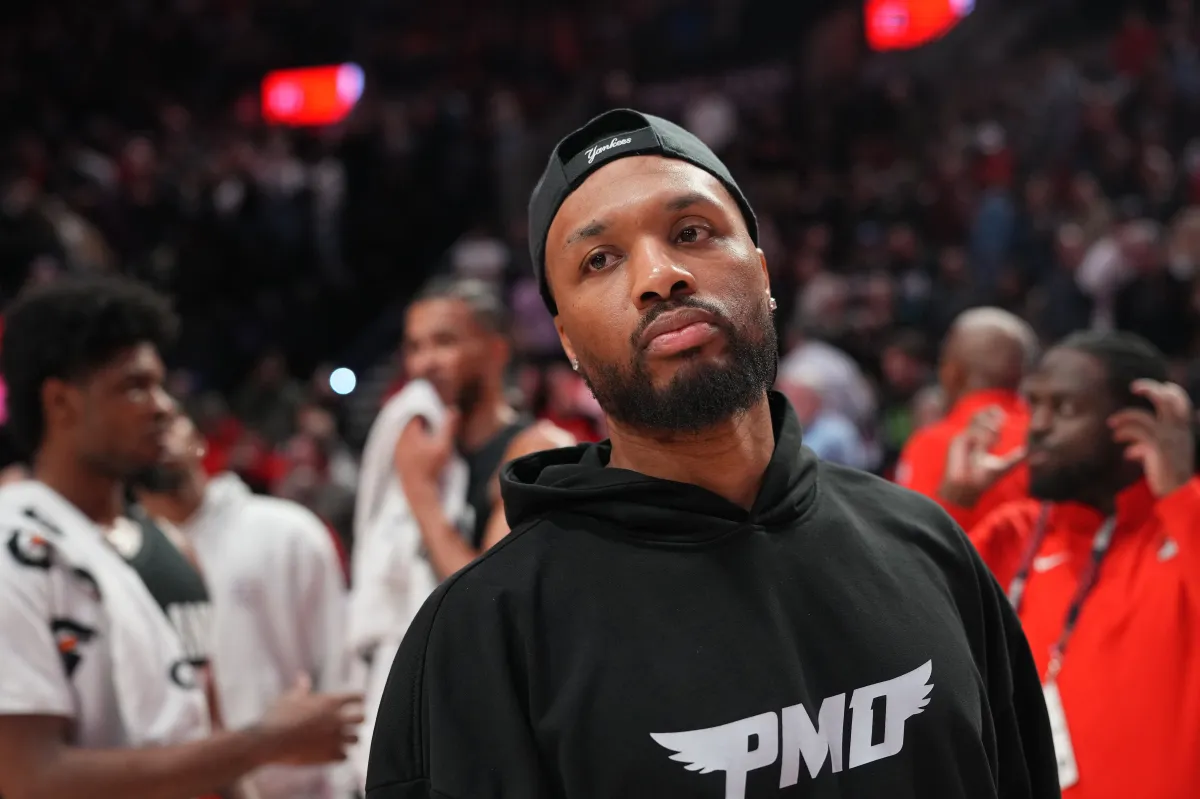
The scene was a cruel snapshot of a shattered ambition. In Game 4 of the 2025 NBA Playoffs, with the Milwaukee Bucks fighting for survival against the Indiana Pacers, Damian Lillard drove hard toward the baseline, a move he had executed thousands of times—a burst of speed, a sudden stop, a pivot to rise for a jumper. But this time, there was no basketball poetry. There was only a devastating, non-contact pop that sent a shockwave of silence through the arena. Lillard crumpled to the floor, clutching his right Achilles tendon, his face contorted not just in physical agony, but in the profound, gut-wrenching realization that his championship quest had come to a violent, premature end. He had left Portland, the city that had worshipped him for eleven years, to chase a ring alongside Giannis Antetokounmpo, to finally silence every critic who murmured that his loyalty was holding him back from greatness. Now, in one horrifying instant, that meticulously constructed future was gone. The diagnosis—a torn Achilles—was a devastating blow that not only ended his season on the spot but cast a dark, ominous shadow over the twilight of his career. For a player who relied so heavily on his explosiveness, his ability to shift gears and blow past defenders, this was the most terrifying injury in basketball. The silence in the arena was not just for the loss of the game; it was for the loss of the vibrant, unguardable version of a future Hall of Famer.
Paragraph 2: The Cold Waiver and the Pull of Home
The business of basketball, however, does not pause for sentimental tears or shattered tendons. While Lillard entered the dark, grueling world of rehabilitation, a world of ice baths, agonizing physical therapy, and the quiet midnight hours spent wondering if he would ever be the same, the front office in Milwaukee made a decision that felt as cold as the ice on his ankle. In July 2025, just months after his injury, the Bucks waived him. The move was brutally pragmatic—a salary cap maneuver, a shedding of uncertainty, a sign that the organization no longer believed a 35-year-old guard coming off a catastrophic injury was worth the risk or the cap space. For Lillard, it was a slap in the face, a stark reminder that loyalty in the NBA is rarely reciprocated. Yet, out of that bitter disillusionment, a profound sense of karmic destiny emerged. Just two weeks later, his phone rang with the call he had dreamed of since the injury but never dared to expect: the Portland Trail Blazers wanted him back. The prodigal son was coming home. The emotional weight of that moment cannot be overstated. Portland was not just a team; it was his identity. It was the place where he had become a name with a dagger-like reputation, where he had hit the deep threes that etched his name into franchise lore. The fans, who had shed tears when he left, now saw a miraculous silver lining. The betrayal of the Milwaukee experiment, followed by the cold mercy of the waiver wire, had delivered their hero back to them, wounded but determined to rewrite his final chapter on his own terms.
Paragraph 3: The Long, Lonely Road of Rebuilding a Body
The next several months were a testament to Lillard’s unyielding resolve, a quiet war fought far away from the bright lights and the roar of the crowd. He was out for the entirety of the remainder of the 2024-25 season, forced to watch from the sidelines as lesser players took the court, while his mind screamed for release. The rehabilitation process for an Achilles rupture is notoriously unforgiving, demanding a level of mental fortitude that breaks many athletes. It wasn’t just about regaining the strength in his leg; it was about relearning trust in his own body, battling the deep-seated fear that every hard cut or explosive jump might be his last. He spent countless hours in the training facility, alone with his thoughts, staring at the leg that had carried him to so many glory-filled nights. But then, the internet gave the world a glimpse of his progress. A recent TikTok video surfaced, showing Lillard in the gym, and it sent a jolt of electricity through the basketball community. The footage was an emphatic declaration of defiance: he was driving to the rim with a startling burst of speed, absorbing contact, and finishing with his signature grace. He was popping off screens and drilling deep three-pointers with a fluidity that suggested he had never left. The video was more than just a workout highlight; it was a psychological weapon. It told the league, and more importantly, told himself, that the explosion was still there, the will was still burning, and the “Dame Time” mentality was ready to return. He wasn’t just looking to reclaim his spot in the NBA