




There is a unique kind of worry that settles in when we realize that the everyday items sitting in our kitchen pantries—the very snacks we offer to our children after school, pack into work lunches, or graze on during weekend movie nights—might actually pose a severe risk to our families. This anxiety has hit home for many communities recently, as the Food and Drug Administration (FDA) officially escalated three related chip and crisp recalls from Legacy Bakehouse to a Class I designation. This classification is the agency’s highest-level warning, reserved for situations where there is a reasonable probability that using or being exposed to a product will result in serious, adverse health consequences or, in the most severe cases, even death. At the heart of this urgent safety situation is an interconnected web of the food supply chain, tracing back to a wider ingredient issue involving recalled milk powder manufactured by California Dairies. When a fundamental component like milk powder, which is used in countless seasoning blends, is flagged for potential biological contamination, the ripple effects can quickly spread across multiple brands, regions, and packaging styles. For everyday consumers, this recall serves as a sobering reminder of how easily microscopic hazards can travel from a processing plant directly to our kitchen tables, transforming a simple savory treat into a significant public health concern.
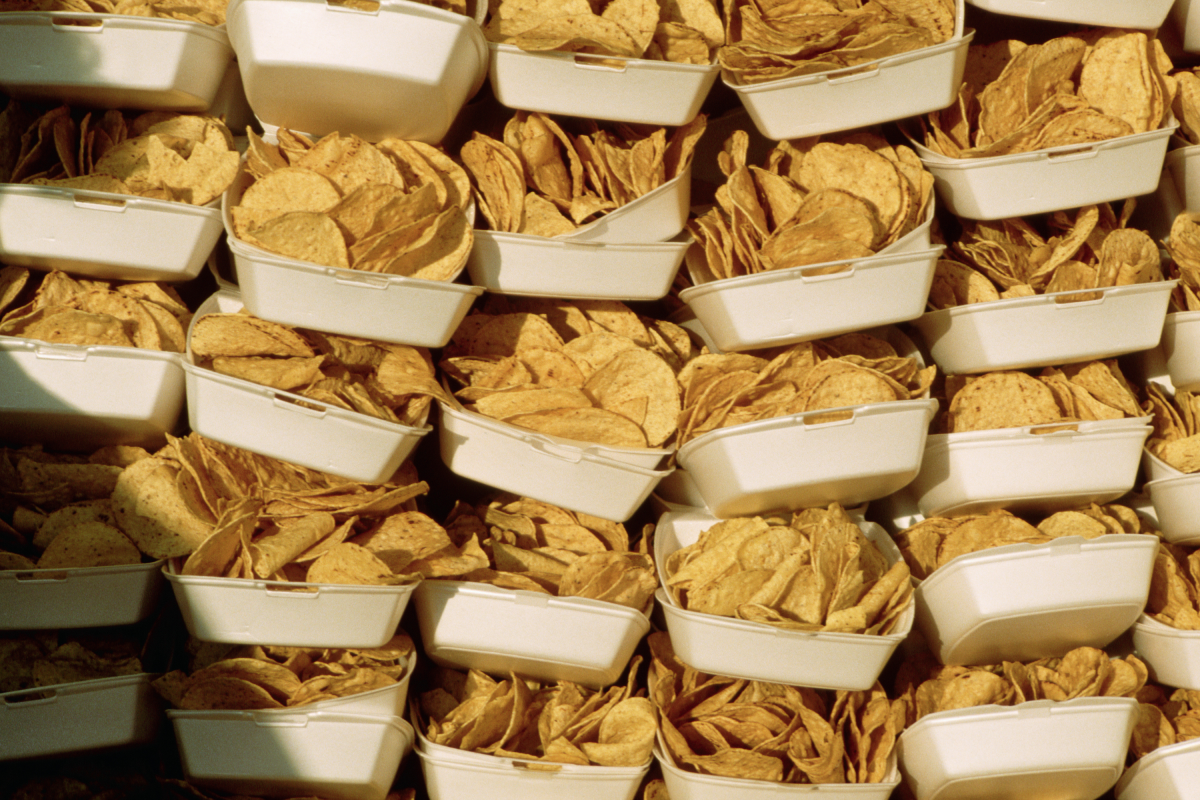
To fully understand the scope of this recall, we have to look at the specific products involved, starting with two large-scale items that primarily moved through commercial and restaurant channels rather than standard supermarket aisles. The first of these is the Butter Parsley Bagel Crisps, packaged and distributed in hefty 10-pound cases. According to the FDA’s extensive enforcement report, approximately 750 of these large cases are affected by the recall, all bearing production dates that span from January 29, 2026, to April 12, 2026. These bulk cases were distributed to commercial entities in Pennsylvania and Wisconsin. Alongside the butter parsley variety, the FDA also identified a second bulk product under the Legacy Bakehouse umbrella: the Parmesan & Herb Bagel Crisps. Sold in identical 10-pound cases, this product saw 588 cases affected by the recall, sharing the exact same production date range of January 29, 2026, through April 12, 2026, and distributed across the same states of Pennsylvania and Wisconsin. Because these two crisp varieties were packaged in large bulk containers, they likely did not end up on retail grocery shelves for individual purchase; instead, they were destined for food-service operations, catering businesses, salad bars, or local bakeries. This wholesale distribution creates a hidden layer of risk, as diners at local institutions or restaurants may have consumed these crunchy toppings without ever having access to the original box or the product’s warning labels, relying entirely on the alertness of food-service managers to pull the items from their kitchens.
For the shopping public, the most recognizable and directly accessible product caught up in this recall is a retail-facing item found on standard grocery shelves: Giant Eagle-branded Baked Pita Chips with Parmesan, Garlic & Herb. Unlike the anonymous commercial cases, this product is packaged for individual households in eye-catching 7.33-ounce black bags featuring the prominent Giant Eagle logo on the front panel. Because these chips are sold directly to families, the FDA and local health authorities have provided highly specific identification details so that consumers can quickly check their pantries and protect their households. If you have a bag of these pita chips in your home, you can easily identify whether it is part of the recalled batch by checking the back of the bag for Universal Product Code (UPC) 0 3003496507 5, as well as looking for the specific “Best If Used By Date” of 07/16/26. The distribution network for these Giant Eagle chips is extensive, meaning they were sold to grocery stores and eaten by families throughout several states, including Pennsylvania, Ohio, Maryland, West Virginia, and Indiana. Finding a recalled item in your home can be incredibly unsettling, especially when it is a familiar store-brand snack that you trust for its quality, making it critical for residents across these five states to double-check their snack cupboards and spread the word to neighbors and relatives who shop at Giant Eagle locations.
The underlying root cause of these three product recalls reveals the complex, globalized nature of our modern food system, where a single raw material can impact multiple seemingly unrelated brands. All three of the chip and bagel crisp recalls are directly tied to a single point of origin: they were manufactured using a seasoning blend that contained California Dairies powdered milk, an ingredient that had previously been recalled due to potential Salmonella contamination. In their official press communications, the FDA explained that this specific milk powder was supplied to a third-party seasoning manufacturer, who then blended it with various herbs and spices before delivering the finished cheese and garlic seasonings to Legacy Bakehouse, where it was finally applied to the exterior surfaces of the pita chips and bagel crisps. In a reassuring yet cautious detail, authorities noted that the specific batches of seasoning used to coat these chips actually tested negative for the Salmonella bacteria before they were ever integrated into the final snack products. However, because food safety leaves absolutely no room for error, and because biological sampling cannot guarantee that every single speck of seasoning is entirely free of pathogens, the companies and regulatory agencies made the responsible decision to issue these recalls out of an abundance of caution, choosing to prioritize public safety over commercial distribution.
When the FDA labels a recall as Class I, it is not an action taken lightly; it signals that the hazard is real and the pathogen involved is exceptionally dangerous to human health. While many associate food poisoning with temporary discomfort, Salmonella is actually a primary public health concern in the United States, ranking as the second leading cause of foodborne illness overall—trailing only norovirus—but representing the absolute leading cause of hospitalizations and deaths resulting from contaminated food. Every year, public health models estimate that Salmonella bacteria are responsible for approximately 1.35 million infections, 26,500 hospitalizations, and 420 tragic deaths across the country. The physical reality of a Salmonella infection, known medically as salmonellosis, is often grueling, characterized by severe diarrhea, intense stomach cramps, dehydration, and high fevers that typically manifest anywhere from six hours to six days after consuming the contaminated item. While healthy adults with robust immune systems often manage to recover within a week without requiring intensive medical intervention, the stakes are incomparably higher for vulnerable populations, including infants, young children, pregnant women, elderly grandparents, and anyone with a compromised immune system, for whom the infection can easily enter the bloodstream, cause arterial infections, or trigger life-threatening systemic complications.
If you walk over to your kitchen, look through your cabinets, and realize that you do indeed possess one of the recalled bags of Giant Eagle pita chips or suspect you have come into contact with the bulk bagel crisps, the physical steps to take are both simple and protective. First and foremost, do not open the package, and absolutely do not consume any of the chips. Instead, health officials advise that you take a clear photograph of the barcode panel and the best-by date printed on the back of the bag to serve as your proof of purchase, and then safely discard the product in a secure trash can where neither children nor household pets can access it. Armed with your photograph, you are fully entitled to seek a complete refund or a replacement product, which can be acquired directly at the retail store where you purchased the chips, through your wholesale distributor, or by calling the manufacturing company’s direct customer care support line. Most importantly, if you or anyone in your household has recently eaten these chips and subsequently developed a high fever, prolonged diarrhea, persistent vomiting, or signs of severe dehydration, you should contact a qualified healthcare provider immediately. By remaining vigilant, thoroughly checking our pantries, and acting swiftly when authorities issue these high-alert warnings, we can effectively protect our households, support our local communities, and ensure that our shared tables remain safe spaces for our families.