


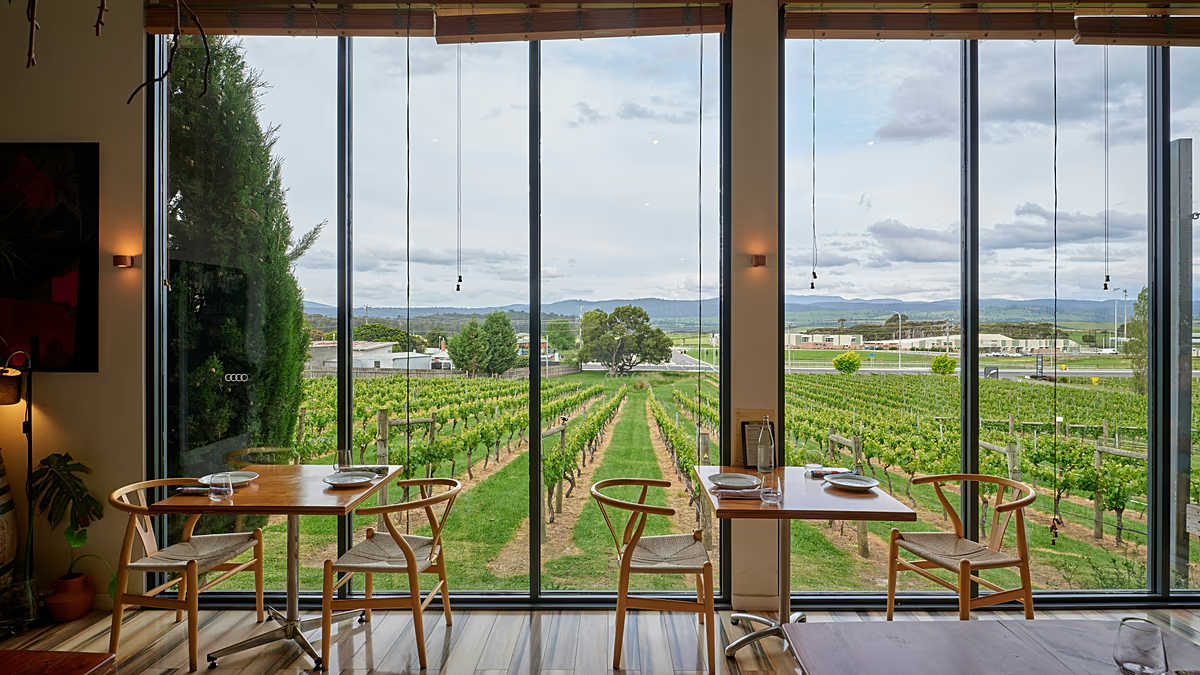
There was a time when a visit to a vineyard followed a predictable, almost clinical routine: a chilly walk through a damp barrel room, a quick lecture on fermentation, and a brief standing tasting at a wooden counter accompanied by a dry cracker or a perfunctory, sweating slice of cheddar. Today, however, a quiet revolution is unfolding across the rolling hills of the world’s most beautiful wine regions, transforming the humble tasting room into a world-class culinary destination. Modern travelers are no longer content with just a glass of wine; they seek a deeper, more visceral connection to the land, craving experiences where the boundaries between the vineyard and the kitchen are entirely dissolved. Recognizing this shift, Wine Enthusiast magazine recently curated an ambitious guide to the world’s fifty-seven best winery restaurants, a list that serves as a love letter to the art of slow travel and sensory discovery. To the delight of European epicureans, nearly forty percent of these celebrated destinations—twenty-two spectacular properties in total—are located right here in Europe, with six prized locations in Italy alone. This concentration of world-class dining close to home offers an irresistible invitation to plan entire journeys around a single, unforgettable table, where the view from your window is the very soil that produced the liquid in your glass.
Italy, a land where food and wine are not merely lifestyle choices but the very pillars of cultural identity, naturally claims a starring role on this prestigious list with six extraordinary establishments that celebrate regional diversity. The sun-drenched hills of Tuscany, long considered the spiritual heartland of Italian viticulture, host four of these culinary sanctuaries, each offering a unique window into the soul of the region. In the historic Chianti district, Osteria di Brolio and Il Ristoro di Castello di Ama blend ancient stone architecture with contemporary culinary philosophy, while Ristorante Campo del Drago in Montalcino and Indigeno in Montepulciano offer diners an elevated taste of the earthy, robust Sangiovese wines that have made these territories legendary. Yet, to truly understand the depth of Italy’s gastronomic renaissance, one must venture beyond these famous post-card landscapes into the wild, volcanic hillsides of Irpinia in the Campania region. Here, perched high above the southwestern countryside, La Veduta serves as a temple to southern hospitality, offering handmade pastas tossed with local herbs and vegetables, perfectly paired with the bracing acidity of indigenous Fiano and Greco white wines, or the structured, age-worthy embrace of red Aglianico. Further north, near the romantic city of Verona, Locanda Costasera introduces diners to a radical “wine first” philosophy. In this rustic yet elegant dining room, the traditional culinary script is flipped; instead of selecting a dish and asking for a matching bottle, the estate’s legendary Corvina-Merlot blends and rich Amarones are chosen first, and the kitchen crafts intensely flavorful dishes, such as perfectly al dente tubetti pasta, specifically to elevate and mirror the complex nuances of the pour.
Stepping across the border into the Iberian Peninsula, the culinary narrative shifts toward a dramatic dialogue between heritage, Atlantic breezes, and avant-garde creativity. In Portugal, the vast, golden plains of the Alentejo region have emerged as a darling of the international travel scene, a trend beautifully reflected in the estate restaurant at Herdade da Malhadinha Nova. Here, the dining experience is a seamless continuation of the vineyard’s organic philosophy, with a contemporary menu that showcases ingredients raised directly on the property, including the legendary, acorn-fed black Iberian pigs that roam the estate’s oak forests. Moving northward to the dramatic, terraced slopes of the Douro Valley, Bomfim 1896 offers a cozy, fire-lit sanctuary perched right on the edge of the rushing river in Pinhão, where open kitchens smoke local eel and slow-roast tender baby goat over wood embers, filling the air with aromas that complement the region’s famous ports and structured red wines. Meanwhile, in the Dão region, Mesa de Lemos presents a stark, breathtaking contrast with its ultra-modern, floor-to-ceiling glass architecture and a minimalist menu designed by Chef Diogo Rocha. Rocha’s philosophy is one of extreme focus, dedication, and restraint, with each artistic plate highlighting a single, pristine Portuguese ingredient—such as delicate pandora fish sourced from the Algarve coast or sweet, sun-ripened pineapples from the Azores—allowing the pure flavors of the land and sea to harmonize with the estate’s elegant, mineral-driven wines. Spain’s representation on the list, centered in the rugged Ribera del Duero region, is equally spectacular and steeped in contrast. At Refectorio, a Michelin-starred sanctuary located inside a beautifully restored twelfth-century abbey, diners eat under historic vaulted ceilings, enjoying tasting menus that breathe new life into ancient Castilian recipes, such as rich alboronía aubergine stew and delicately pickled partridge. Not far away, Ambivium at Pago de Carraovejas also boasts a coveted Michelin star, offering a highly curated experience where every single course is designed in lockstep with a specific vintage from their legendary cellar, allowing guests to feast on avant-garde creations while gazing out over the very vines that bore the grapes.
Crossing the Pyrenees into France, the birthplace of the concept of terroir, one finds a culinary culture that treats the relationship between food and wine with a sense of sacred duty. In the sun-dappled fields of Provence, Chez Jeannette offers a breezy, effortless sophistication where the food is inventive but entirely free of pretension. The kitchen team draws daily inspiration from the estate’s own certified organic gardens and neighboring family farms, turning out vibrant dishes like fresh amberjack paired with tender white asparagus and finished with a delicate drizzle of homemade acacia flower vinegar, designed to be enjoyed alongside a glass of crisp, pale rosé. Meanwhile, in the prestigious Bordeaux region, La Grand’Vigne elevates winery dining to the pinnacle of classical French luxury. Holding two Michelin stars, this magnificent estate restaurant is famous for its grand, complex tasting menus that pay homage to the rich culinary traditions of the Aquitaine, providing a theatrical, opulent setting where historic vintages are uncorked to pair with dishes of astonishing technical precision. Across the English Channel, a quiet but undeniable revolution is taking place in the south of England, where a warming climate and chalky soils identical to those of Champagne have sparked a golden age of viticulture. At Wiston Estate in West Sussex, the on-site restaurant, Chalk, has become a sensation by pairing the estate’s award-winning sparkling wines with a menu that celebrates the best of British land and sea, featuring dishes like fresh mackerel with spicy horseradish and sweet elderflower, or delicate Devonshire brill accompanied by salty, coastal samphire. Similarly, Hambledon in Hampshire, recognized as England’s oldest commercial vineyard, welcomes travelers with a deeply seasonal menu that mirrors the changing British landscape; while comforting classics like roasted guinea fowl and pristine chalk stream trout remain mainstays, they are served with vibrant spring peas and wild garlic in May, and rich chestnuts and pickled onions as the autumn leaves begin to fall.
What makes this European selection truly magical, however, is its willingness to guide travelers off the well-trodden tourist paths and into the continent’s most intriguing, lesser-known viticultural corners. The Wine Enthusiast list serves as a gentle reminder that excellent wine and visionary cooking are not the exclusive domains of Western Europe, featuring exceptional single entries from Austria, Germany, Greece, and Hungary that reward curious travelers with distinct local flavors. Even more thrilling is the inclusion of Liechtenstein, a tiny Alpine principality better known for its dramatic mountain peaks than its vineyards, proving that world-class dining can thrive in the most unexpected geographic pockets. Further east, the list celebrates Moldova, a country with an ancient winemaking heritage that is finally receiving the international recognition it deserves, alongside Georgia, which boasts one of the oldest continuous winemaking traditions on Earth. In Georgia, where clay qvevri vessels buried underground have been used to ferment wines for over eight thousand years, the intersection of historic winemaking and rustic, spice-forward gastronomy is capturing the hearts of modern travelers. By shining a spotlight on these emerging regions, the guide reveals that the map of European viticulture is living, breathing, and constantly expanding, offering a treasure trove of opportunities for those who prefer their culinary journeys to be filled with a genuine sense of adventure, exploration, and cultural discovery.
Ultimately, these twenty-two European winery restaurants represent far more than just places to enjoy a high-end meal; they are living proof of what can happen when human passion, culinary artistry, and a deep respect for the earth come together in perfect harmony. In an increasingly fast-paced world, these destinations invite us to slow down, pull up a chair, and savor the slow, deliberate rhythm of the seasons. To sit at a table overlooking a valley of vines, eating food that was grown in the very same soil as the grapes in your glass, is to experience a profound connection to a specific place and the people who nurture it. These meals are celebrations of the hard work of the farmers, the vision of the chefs, and the patience of the winemakers who spend years coaxing beauty from the earth. As you plan your next European escape, whether it leads you to the historic ruins of a Spanish abbey, the breezy terraces of Provence, or the green, rolling hills of the English countryside, remember that the best journeys are those that feed both the body and the soul. And as you raise a glass to toast the beauty of these landscapes and the incredible flavors they produce, remember to savor each sip mindfully, respecting the artistry, heritage, and labor behind every bottle, and always enjoying these liquid treasures responsibly.