





The video game industry is currently experiencing one of its most turbulent eras, characterized by shifting player demographics, skyrocketing development budgets, and an atmospheric sense of uncertainty surrounding hardware lifecycles. It was against this high-stakes backdrop that Microsoft delivered its highly anticipated pre-recorded Xbox Showcase over the weekend, an event tied to the broader Summer Game Fest that felt like much more than a routine commercial presentation. Crucially, the broadcast marked the primary public debut of Asha Sharma, who assumed the role of CEO of Microsoft’s gaming division back in February. When Sharma’s appointment was first announced, industry watchdogs and cynical analysts openly wondered whether her arrival was an omen of a quiet wind-down. For years, Xbox has struggled to break out of its permanent third-place position behind the historical dominance of Sony and the creative, evergreen appeal of Nintendo. With the brand facing intense consumer pushback, declining console sales, and localized boycotts over its shifting software ecosystem, many expected Sharma to act as a financial consolidator, perhaps preparing the brand to transition entirely into a third-party software publisher. Yet, earlier this week, Sharma shattered those assumptions, telling Bloomberg News in an incredibly bold statement that her ultimate objective is to transform Xbox into “the number one gaming and entertainment company” by the year 2030. This level of unbridled, classic corporate ambition set an impossibly high bar for the Showcase. Rather than taking the stage to deliver a flashy, executive-heavy keynote filled with buzzwords and grand promises, Sharma and Xbox’s Chief Content Officer, Matt Booty, made the deliberate, highly tactical choice to let their creative output do the heavy lifting, crafting a focused, hour-long broadcast that acted as both a celebration of the platform’s upcoming slate and a quiet toast to the Xbox project’s twenty-fifth anniversary.
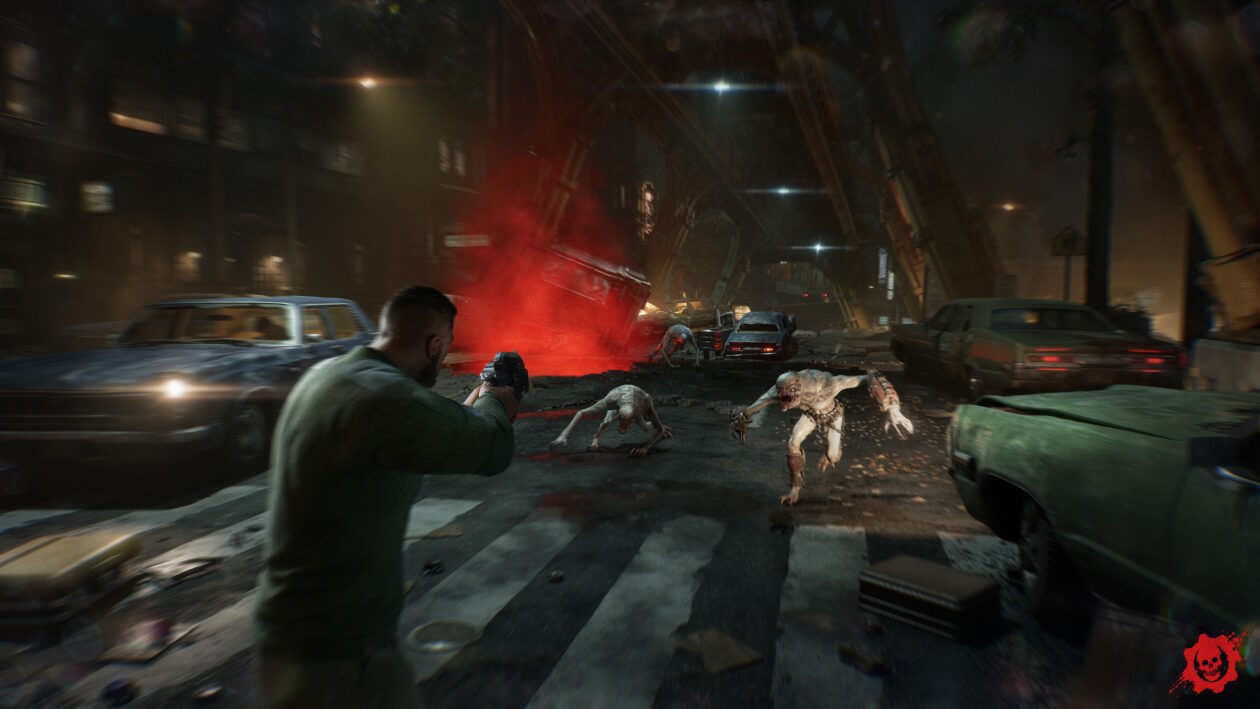
The showcase opened with a thunderous return to one of Xbox’s absolute structural pillars: the rugged, war-torn universe of Sera. Fans were treated to an extensive first look at the gameplay for Gears of War: E-Day, scheduled for release on October 6. Developed by The Coalition, the game acts as a direct prequel to the beloved tactical shooter franchise, rewinding the clock fourteen years prior to the events of the original 2006 title to depict “Emergence Day”—the fateful, horrifying moment when the subterranean Locust Horde first burst from the crust of the earth to wage an extermination campaign against humanity. By placing players back into the boots of younger, less battle-weary versions of iconic protagonists Marcus Fenix and Dom Santiago, the game aims to recapture the claustrophobic, survival-horror-adjacent atmosphere of the early entries. However, the most significant revelation surrounding E-Day was not its narrative direction, but rather the quiet, monumental confirmation that it will be entirely exclusive to the Xbox console ecosystem. This marks a radical, whiplash-inducing about-face for Microsoft. Under the previous leadership of Phil Spencer and Sarah Bond, the company had spent the last two years actively porting first-party intellectual properties to competitive hardware like the PlayStation 5, a strategy that generated immediate revenue but triggered existential panic among core console owners who feared their hardware investment was being rendered obsolete. By declaring both E-Day and the highly anticipated steampunk action-RPG Clockwork Revolution (slated for 2027) as permanent console exclusives rather than timed agreements, Sharma is firmly steering the ship back toward traditional platform-selling strategies, suggesting that she believes hardware viability is still fundamentally tethered to having games you simply cannot play anywhere else.
Beyond the mechanical grit of Gears, the showcase sought to heal long-festering wounds left by games that many players had written off as vaporware. Chief among these was the mythical reboot of Fable, a franchise that defined the early days of Xbox live-service and RPG history with its whimsical British humor, open-world freedom, and revolutionary morality systems. Ever since Playground Games announced they were resurrecting the dormant franchise back in 2020, updates had been agonizingly sparse, limited to brief, enigmatic CGI teasers that served as mere proof of life before the project slipped back into the shadows of development. In a triumphant return, the showcase finally pinned down a concrete release date of February 23, 2027, alongside a cinematic trailer that introduced the game’s central antagonist, Isabel, brought to life through a charismatic performance by Marvel Cinematic Universe alumna Hayley Atwell. In a similar vein of hard-fought redemption, Undead Labs stepped into the spotlight with a raw, atmospheric look at State of Decay 3. This ambitious, cooperative zombie survival game, set in a beautifully decaying, post-apocalyptic version of the Pacific Northwest, had been buried under a storm of bad press following a 2022 exposé detailing a toxic, disorganized studio culture. Many assumed Microsoft would quietly shelve the project to avoid further public relations disasters; instead, the technology giant doubled down on supporting the team, culminating in a striking new gameplay trailer and a confirmed 2027 release window. By sticking with these troubled projects through years of behind-the-scenes turmoil, Xbox is signaling a more patient, human-centric approach to game development that honors the creators’ original visions rather than reactively cutting losses.
No celebration of Xbox’s twenty-five-year legacy would be complete without paying homage to the green-armored super-soldier who put the brand on the map in 2001. On July 28, Halo Studios will launch Halo: Campaign Evolved, a stunning ground-up remake of the original Combat Evolved campaign built entirely within the cutting-edge architecture of Unreal Engine 5. Beyond simply updating the visual fidelity of Master Chief’s maiden voyage to modern standards, the developers have crafted three entirely new, narrative-driven missions set a year before the game’s events, allowing players to fight alongside the legendary, cigar-chomping Sergeant Major Avery Johnson. This nostalgic sentimentality was further mirrored in a hardware reveal that sent vintage gaming enthusiasts into a frenzy: a limited-edition Xbox Series X console scheduled for release this November. Boasting a striking translucent green outer shell and a matching controller, the console is a direct, loving physical tribute to the legendary special-edition Halo system from 2004, serving as a reminder of the hardware design ethos that defined the early millennium. The first-party updates kept coming at a blistering pace, revealing a diverse, star-studded portfolio. Activision announced that this year’s Call of Duty installment will mark a return to the intense espionage of the Modern Warfare subseries, featuring a high-stakes, extraction-shooter game mode named “DMZ” set within the eerie Hajin Exclusion Zone in Korea. Mojang Studios surprised audiences with Minecraft Dungeons II, set to arrive on September 29, while Activision confirmed they are resurrecting the nostalgic, purple dragon with Spyro: A Realm Beyond in spring 2027. Moving into darker territory, Ninja Theory debuted a chilling look at Senua, the next haunting chapter in the critically acclaimed Hellblade saga, while id Software announced a massive expansion for Doom: The Dark Ages titled Revelations, dropping on July 7. Even the peaceful skies of Microsoft Flight Simulator 2024 received love, with a patriotic July 4th update that introduces ultra-realistic renderings of America’s national parks, allowing virtual pilots to fly through the depths of the Grand Canyon with staggering detail.
While Microsoft’s internal studios robustly demonstrated their creative muscle, the Showcase’s third-party segment proved that the publisher’s external partnerships are stronger and more culturally diverse than ever. Chief among these was a double-header from Atlus, the legendary Japanese studio behind some of the most influential role-playing games on the market. Decades ago, the Persona franchise was synonymous with PlayStation exclusivity, but Atlus used the Xbox stage to debut a stunning, high-definition remake of the beloved urban-fantasy masterpiece Persona 4, while simultaneously confirming that they are actively developing Persona 6. Though details regarding the sixth entry’s plot and cast remain under wraps, the mere acknowledgment of its existence sent shockwaves through the global gaming community. Not to be outdone in the realm of legendary Japanese franchises, Konami took the stage to celebrate the impending forty-year anniversary of the Castlevania series by announcing Belmont’s Curse. Scheduled to launch on October 15, this marks the first traditional, mainline side-scrolling entry in the core franchise since 2008’s Order of Ecclesia. Players will follow the gothic journey of Rose Belmont as she unites with her legendary father, Trevor, to investigate a systemic, blood-curdling monster outbreak across the rain-slicked cobblestone streets of Paris in 1499. The showcase also highlighted Asobo Studio’s continued mastery of historical horror with Resonance, a dark, deeply emotional prequel to the award-winning A Plague Tale series. The game is set to transport players back to the grim landscapes of 14th-century France, where siblings Amicia and Hugo once again navigate the supernatural terrors of the rats and the Black Plague in a desperate bid to preserve their humanity.
Beyond historic fantasy and gothic grimness, the showcase highlighted how modern developers are exploring unique mechanics, historical settings, and quirky aesthetic concepts. Sega’s beloved, arcade-inspired legacy received a high-octane boost with the announcement of Crazy Taxi: World Tour, a vibrant and chaotic modernization slated for release next year. However, the excitement was quickly met with passionate community debate when eagle-eyed fans discovered an AI-usage disclaimer on the game’s official Steam page, triggering intense conversations across social media about the intersection of classical game design and automated technology. Meanwhile, Koei Tecmo and Team Ninja announced Wo Long 2, a sequel to their punishing, action-heavy fantasy epic set against the dramatic backdrop of China’s three kingdoms. The presentation concluded with a truly unique offering from indie publisher Serenity Forge, whose latest game, Vivarium, masterfully blends the spine-chilling aesthetics of weird horror with the calming, slow-paced loop of cozy lifestyle simulators. Featuring gorgeous, hand-drawn anime visuals, the game invites players to manage a small, strangely peaceful town that exists entirely inside a glass terrarium tucked away in a dusty, long-forgotten house. Ultimately, this comprehensive summer showcase highlighted a dramatic, incredibly human evolution in Microsoft’s gaming journey. Rather than retreating from the hardware market or capitulating to third-place anxiety, Asha Sharma’s revitalized Xbox is planting its flags firmly in the ground, leveraging a brilliant mixture of hard-nosed console exclusivity, deep-cut structural nostalgia, and long-awaited community redemptions to redefine its identity as a premium home for gaming for the next quarter-century.